
Whipped Coffee: The Sweetener Question
Quick answer
- You don’t need sugar to make whipped coffee, but it helps.
- Sugar stabilizes the foam, making it fluffier and longer-lasting.
- Other sweeteners can work, but results vary.
- Unsweetened whipped coffee will be less stable and may collapse faster.
- Experiment to find what works best for your taste and desired texture.
- It’s all about the ratio of coffee, liquid, and sweetener.
Who this is for
- Anyone who’s seen those amazing whipped coffee videos and wants to try it.
- Home baristas looking to perfect their dalgona game.
- People who want a quick, sweet treat without a lot of fuss.
What to check first
Brewer type and filter type
For whipped coffee, you’re usually starting with instant coffee. This means your brewer type and filter are pretty irrelevant for the whipping part. You’re not brewing coffee in the traditional sense to get the liquid base. The instant coffee dissolves directly in liquid.
Water quality and temperature
While you’re not brewing, the water you use to dissolve the instant coffee still matters for taste. Use filtered water if your tap water has a strong flavor. Room temperature or cool water works best for dissolving instant coffee. No need for hot water here.
Grind size and coffee freshness
Again, for whipped coffee, we’re talking instant coffee. Grind size and freshness of whole beans are a non-issue. Just grab your jar of instant coffee.
Coffee-to-water ratio
This is key. The standard ratio for whipped coffee is usually 1:1:1 – equal parts instant coffee, sugar, and liquid. Deviating from this ratio will affect the texture and stability. Too much liquid and it won’t whip up; too little and it might be too thick.
Cleanliness/descale status
Make sure your bowl and whisk are clean. Any grease or residue can prevent the coffee from whipping properly. This isn’t about descaling a machine, but good old-fashioned kitchen hygiene.
Step-by-step (brew workflow)
1. Gather your ingredients. You’ll need instant coffee, sugar (or your preferred sweetener), and a liquid. Water is standard, but milk works too.
- What “good” looks like: All components are ready to go.
- Common mistake: Forgetting one ingredient. Double-check before you start.
2. Measure your ingredients. The classic ratio is 1:1:1. For example, 2 tablespoons of instant coffee, 2 tablespoons of sugar, and 2 tablespoons of water or milk.
- What “good” looks like: Precise, equal measurements.
- Common mistake: Eyeballing it. This leads to inconsistent results. Stick to the measurements, at least at first.
3. Combine ingredients in a bowl. Put the instant coffee, sugar, and liquid into a medium-sized bowl.
- What “good” looks like: Everything is in the bowl, ready for action.
- Common mistake: Not using a bowl large enough. You’ll have coffee flying everywhere.
4. Start whisking. Use a hand whisk, electric mixer, or even a frother. Begin mixing the ingredients.
- What “good” looks like: The initial mixture is clumpy but starting to combine.
- Common mistake: Using too much liquid initially. It makes whipping harder.
5. Whip vigorously. Keep whisking. You’ll see the mixture start to lighten in color and thicken.
- What “good” looks like: The mixture is getting frothy and less liquidy.
- Common mistake: Not whisking long enough. Patience is key here.
6. Continue whipping until stiff peaks form. This is the magic moment. The mixture should be light, airy, and hold its shape when you lift the whisk. It should look like fluffy meringue.
- What “good” looks like: The foam stands up on its own, like a cloud.
- Common mistake: Over-whipping. It can sometimes separate into a greasy mess. Stop when it forms stiff peaks.
7. Prepare your serving glass. Fill a glass with ice and your chosen milk (dairy or non-dairy).
- What “good” looks like: A cold glass ready for the topping.
- Common mistake: Using a warm glass. It melts the ice too fast.
8. Top with the whipped coffee. Spoon the fluffy mixture generously over the milk.
- What “good” looks like: A beautiful, airy topping on your drink.
- Common mistake: Not spooning it on carefully. It can sink if you just dump it.
9. Enjoy immediately. Grab a spoon or a straw and dive in.
- What “good” looks like: A delicious, sweet, coffee-flavored treat.
- Common mistake: Letting it sit too long. The foam will start to deflate.
Common mistakes (and what happens if you ignore them)
| Mistake | What it causes | Fix |
|---|---|---|
| Using regular brewed coffee | Won’t whip, just makes a watery mess. | Use only instant coffee granules. |
| Not enough sugar | Foam is unstable, collapses quickly. | Stick to the 1:1:1 ratio or slightly more sugar for stability. |
| Too much liquid | Mixture is too thin to whip into foam. | Start with the recommended 1:1:1 ratio and adjust liquid down if needed. |
| Not whisking long enough | Foam is weak, airy but not stiff or stable. | Keep whisking until it holds stiff peaks. It takes a few minutes. |
| Using a dirty bowl or whisk | Prevents foam from forming, can make it greasy. | Ensure all tools are clean and dry. |
| Using hot water to dissolve coffee | Can make the mixture too liquidy and harder to whip. | Use room temperature or cool water. |
| Trying to store leftover whipped foam | It will deflate and separate quickly. | Make only what you plan to use immediately. |
| Using low-fat milk for whipping | Less stable foam, might not get as fluffy. | Whole milk or even water works best for the liquid base. |
| Not dissolving the sugar completely | Gritty texture, foam might not be smooth. | Ensure sugar is fully dissolved before whipping starts in earnest. |
Decision rules (simple if/then)
- If your whipped coffee is collapsing immediately, then you likely didn’t use enough sugar or didn’t whip it long enough, because sugar helps stabilize the foam structure.
- If your mixture is too thin and won’t thicken, then you probably added too much liquid, because the ratio is off.
- If you want a less sweet option, then try using a sugar substitute, but be aware that the foam might be less stable, because sugar provides structure.
- If you are using a milk alternative for the liquid, then choose one that’s a bit creamier, because thinner milks might lead to a less stable foam.
- If you are using an electric mixer, then start on a low speed and gradually increase, because high speed right away can cause splattering.
- If you want a stronger coffee flavor, then use the same amount of coffee but slightly less liquid, because this concentrates the coffee taste.
- If your foam looks greasy or separated, then you may have over-whipped it, because the emulsion can break down.
- If you want a firmer topping, then try using slightly less liquid, because a thicker base whips up to a more stable foam.
- If you want to experiment with flavor, then add a tiny bit of vanilla extract to the mixture before whipping, because it won’t significantly affect the whipping process.
- If you’re making this for a crowd, then consider making multiple batches separately, because it’s hard to scale up the whipping process effectively in one go.
FAQ
Do I have to use sugar?
No, you don’t have to use sugar. However, sugar acts as a stabilizer, helping the foam become thick, fluffy, and last longer. Without it, the whipped coffee will likely be less voluminous and deflate faster.
If you’re looking for alternative sweeteners to try in your whipped coffee, there are many options available to experiment with.
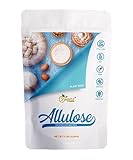
- 【AMAZING TASTE AND CALORIE-FREE】 Allulose is a monosaccharide or simple sugar that naturally exists in some fruits. It closely resembles the flavor of regular sugar but without any unpleasant aftertaste. Allulose is about 70% as sweet as sugar, but contains less than 10% of the calories found in sucrose, making it virtually calorie-free while still providing the natural sweetness of sugar.
- 【GREAT TEXTURE, VOLUME, AND CARAMELIZATION】 Allulose virtually replicates the texture and volume of sugar, while also demonstrating similar caramelization and thickening properties when used in baking and cooking. These exceptional characteristics set allulose apart as an excellent ingredient for achieving desired outcomes in a wide range of culinary applications that align with your healthy lifestyle.
- 【MORE ALLULOSE BLENDS】 Going beyond Allulose, G-Sweetz Allulose sweeteners broaden your options by blending with a variety of intensive sweeteners such as Monk Fruit extract, Stevia Extract, a combination of both, or the classic sucralose. Each sweetener series, derived from Allulose blends, provides a range of sweetness levels from 1X to 20X, ensuring both your sweet tooth and budget are perfectly catered to!
- 【HEALTHY CHOICES】 Upgrade your sweet experience with a sugary-tasting sweetener that's Keto-friendly, containing 0 net carbs. Our allulose is derived from natural ingredients and is free of GMOs, additives, artificial flavors, soy, and gluten. This sweetener is also vegan-friendly, tooth-friendly, and has zero sugar. Enjoy its delicious taste without worrying about any negative side effects.
- 【US QUALITY】 Our products are made and tested in accordance with approved product standards. Our facilities are registered with the FDA and comply with the regulations and licensing requirements of the New Jersey Department of Health and Earth Kosher. For any product inquiries, our US-based live support team is available to assist you.
What kind of instant coffee is best?
Any brand of instant coffee granules will work. The flavor profile will vary by brand, so pick one you enjoy. Some people find that darker roasts yield a richer flavor.
Can I use milk instead of water?
Yes, you can absolutely use milk. Using milk, especially whole milk, can make the whipped coffee even creamier and richer. It also adds a nice flavor contrast to the coffee foam.
How long does whipped coffee last?
Whipped coffee is best enjoyed immediately after making it. The foam is airy and delicate, and it will start to deflate and lose its structure within an hour or so, especially at room temperature.
What if my whipped coffee isn’t getting fluffy?
This usually means you need to whip it longer, or your sugar-to-coffee ratio is off. Ensure you’re using instant coffee and not brewed coffee. Patience is key; it can take several minutes of vigorous whisking.
Can I make whipped coffee ahead of time?
It’s not recommended. The whipped texture is temporary. If you need to prepare something in advance, you can mix the dry ingredients (instant coffee and sugar) and add the liquid just before whipping.
Will artificial sweeteners work?
Some artificial sweeteners can work, but results can vary significantly. They might not provide the same stabilizing effect as sugar, so your foam might be less stable or require different ratios. Experimentation is needed.
What’s the difference between this and a latte?
A latte is espresso or strong coffee mixed with steamed milk. Whipped coffee, or dalgona, is a specific preparation where instant coffee is whipped with sugar and a liquid into a thick foam, then spooned over cold milk. They have very different textures and preparation methods.
What this page does NOT cover (and where to go next)
- Detailed comparisons of different instant coffee brands. (Next: Explore coffee reviews for specific flavor notes.)
- Advanced techniques for latte art on top of whipped coffee. (Next: Look into milk frothing and pouring guides.)
- Nutritional breakdowns of whipped coffee. (Next: Consult a registered dietitian or nutrition database.)
- Recipes for flavored syrups to add to the milk base. (Next: Search for homemade syrup recipes.)
- The history of Dalgona coffee in Korea. (Next: Research cultural food origins and culinary traditions.)