
Where to Buy a Quality Coffee Maker
Quick Answer
- You can buy a good coffee maker online from major retailers like Amazon, Walmart, and Target.
- Specialty coffee gear sites often have higher-end options and expert advice.
- Big box stores offer hands-on viewing but might have a more limited selection.
- Consider refurbished or open-box deals for savings.
- Check manufacturer websites for direct sales and support.
- Think about your budget and desired features before you start looking.
Buying Priorities for Your Coffee Maker
- Brew Method: Decide if you want drip, pour-over, French press, espresso, or something else. Each offers a different taste and experience.
- Capacity: How much coffee do you make at once? Single cup, a standard 12-cup pot, or something in between?
- Temperature Control: Consistent heat is key. Look for machines that reach and maintain ideal brewing temps (around 195-205°F).
- Filter Type: Paper filters are common, but some prefer reusable metal or cloth filters for less waste and different flavor profiles.
- Ease of Cleaning: Nobody likes a dirty coffee maker. Look for removable parts and simple designs.
- Footprint: Measure your counter space. Some machines are sleek and small, others take up a bit more room.
- Durability: A well-built machine will last. Stainless steel or sturdy plastic often indicates good construction.
- Budget: Set a price range. Quality coffee makers can range from $50 to $500+, depending on features and brand.
- Brand Reputation: Stick with brands known for reliability and good customer service.
- Reviews: See what other users are saying. Real-world experiences are gold.
Coffee Maker Feature Comparison
- Brew Method: This is the big one. Drip machines are common, pour-over offers control, French press gives a full body, and espresso machines are for serious enthusiasts.
- Capacity: Ranges from single-serve pods (6-10 oz) to full carafes (up to 12 cups or 60 oz). Pick what fits your household size.
- Temperature Control: Some basic models just heat water. Better machines offer pre-programmed temps or adjustable settings for precision.
- Filter Type: Paper filters are cheap and easy but can absorb oils. Metal filters let oils through for richer flavor but require more cleaning. Some use pods.
- Brew Strength Control: Allows you to adjust how concentrated your coffee is, from mild to bold. Handy for different tastes.
- Programmable Timer: Wake up to fresh coffee. Set it the night before, and your machine does the rest.
- Carafe Material: Glass carafes are standard, but thermal carafes keep coffee hot for hours without a warming plate, preventing burnt taste.
- Cleaning Features: Look for auto-clean cycles or dishwasher-safe parts. Descaling reminders are also helpful.
- Grinder Integration: Some high-end machines have built-in grinders for the freshest possible brew.
- Water Filtration: Built-in filters can improve taste by removing impurities from your tap water.
- Footprint: Compact designs are great for small kitchens. Others might have a larger footprint but offer more features.
- Ease of Use: Simple controls and clear indicators make your morning routine smoother.
How to Choose Your Coffee Maker Step-by-Step
1. Assess Your Daily Coffee Needs:
- What to do: Figure out how many cups you drink daily and if you usually make coffee for one or for a crowd.
- What “good” looks like: If you’re a solo sipper, a single-serve or small carafe (4-6 cups) is perfect. For a family, a 10-12 cup carafe is more practical.
- Common mistake: Buying a huge pot when you only drink one cup. This wastes coffee and energy. Avoid this by being honest about your consumption.
2. Determine Your Preferred Brew Method:
- What to do: Think about the taste and body you like in your coffee. Do you prefer a clean cup or something with more oils and sediment?
- What “good” looks like: Drip for convenience, French press for full-bodied, pour-over for control, espresso for intensity.
- Common mistake: Buying a fancy espresso machine when you just want a simple cup of drip coffee. Stick to what you actually enjoy drinking.
For a convenient and reliable brew, a good drip coffee maker is hard to beat. You can find excellent options on Amazon that offer programmability and consistent results.
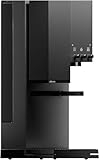
- 1. Three Levels of Automation for Any Skill Level: Choose from Autopilot, Copilot, or Free Solo mode. Autopilot handles the entire brewing process automatically. Copilot provides step-by-step guidance. Free Solo gives you full manual control. This coffee machine works for beginners and professional baristas alike.
- 2. Intuitive User Interface with Tactile Knobs and LED Matrix: The Studio features physical control knobs and a clear LED Matrix display. You can adjust grind size, water temperature, and flow rate in real time without navigating complicated touchscreen menus.
- 3. Full Customization via the xBloom App: Use the xBloom app to create, adjust, save, and share your favorite coffee recipes. Every brewing parameter can be fine-tuned and synced to the machine instantly. Your perfect cup is saved and repeatable.
- 4. Compostable xPod System for Minimal Waste and Maximum Flavor: Each xPod contains carefully selected whole beans and a built-in filter. Tap the recipe card, pour the beans into the grinder, place the pod into the dock, and press start. No capsules, no extra paper filters, no unnecessary waste.
- 5. What Is Included in the Box: The package includes the xBloom Studio, Omni Dripper 2 with Hyperflow Bottom, 10 paper filters, xPod Dock, Magnetic Dosing Cup, default recipe card, quick start guide, cleaning brush, and universal power cord. Everything you need is included.
3. Set Your Budget:
- What to do: Decide how much you’re willing to spend. Prices vary wildly based on brand and features.
- What “good” looks like: A solid drip coffee maker can be found for $50-$150. High-end espresso machines or advanced pour-over setups can easily go $300+.
- Common mistake: Overspending on features you’ll never use. Focus on core functionality first.
4. Consider Counter Space:
- What to do: Measure the available space where your coffee maker will live.
- What “good” looks like: A compact machine for tight spots, or a larger one if you have room to spare and want more features.
- Common mistake: Buying a machine that’s too big and looks cluttered on your counter. Measure twice, buy once.
5. Prioritize Key Features:
- What to do: List the “must-have” features like a programmable timer, thermal carafe, or built-in grinder.
- What “good” looks like: A programmable timer for busy mornings, a thermal carafe for keeping coffee hot without burning.
- Common mistake: Getting dazzled by extra features and forgetting about the basics. Ensure it makes good coffee first.
6. Research Brands and Read Reviews:
- What to do: Look up brands known for coffee makers and read user reviews on retailer sites or dedicated coffee blogs.
- What “good” looks like: Brands like Bonavita, Technivorm Moccamaster, Breville, Cuisinart, and OXO often get good marks. Pay attention to common complaints.
- Common mistake: Buying a no-name brand just because it’s cheap. You might end up with a machine that breaks or makes mediocre coffee.
7. Decide Where to Buy:
- What to do: Compare prices and selection at online retailers, specialty coffee stores, and department stores.
- What “good” looks like: Amazon for selection and convenience, specialty shops for expert advice and unique gear, department stores for seeing machines in person.
- Common mistake: Not comparing prices. The same machine can sometimes be found cheaper at different places.
8. Check Warranty and Return Policy:
- What to do: Understand what the warranty covers and how easy it is to return the item if it doesn’t work out.
- What “good” looks like: A warranty of at least one year is standard for quality machines. A good return policy gives you peace of mind.
- Common mistake: Buying without checking the warranty, only to find out there’s no recourse if it fails.
Common Mistakes (and What Happens If You Ignore Them)
| Mistake | What it causes | Fix |
|---|---|---|
| Buying based solely on price | Poor build quality, inconsistent brewing, short lifespan, bad-tasting coffee. | Prioritize value over cheapest option. Read reviews for reliability. |
| Ignoring brew method | You end up with a machine that makes coffee you don’t enjoy. | Understand the taste profile of each method (drip, French press, pour-over, etc.). |
| Not considering counter space | Cluttered kitchen, machine doesn’t fit, awkward to use. | Measure your available space before you shop. |
| Forgetting about cleaning | Grimy machine, mold growth, off-flavors in coffee, potential health issues. | Look for machines with easy-to-remove, dishwasher-safe parts or auto-cleaning functions. |
| Using tap water with poor quality | Mineral buildup in the machine, dull coffee flavor, potential damage. | Use filtered water. Many machines have built-in filters, or you can buy a separate water filter pitcher. |
| Not reading user reviews | Buying a machine with known flaws or poor performance. | Read reviews on multiple sites to get a balanced perspective on pros and cons. |
| Overlooking carafe type | Coffee gets cold too quickly (glass) or tastes burnt (warming plate). | Opt for a thermal carafe if you drink coffee slowly or reheat often. |
| Assuming all “automatic” means “easy” | Overly complex controls or maintenance for a simple task. | Check reviews for ease of use. Some “automatic” features add complexity. |
| Not checking the warranty | No support if the machine breaks down soon after purchase. | Ensure the machine comes with a decent warranty (at least 1 year). |
| Buying a grinder and brewer separately | Can be more expensive and less integrated than a combo unit if that’s desired. | If you want fresh grounds every time, consider a machine with a built-in grinder or a good separate one. |
Decision Rules for Buying a Good Coffee Maker
- If you drink coffee alone and want it fast, then consider a single-serve brewer or a small drip machine (4-6 cups) because they heat up quickly and brew small batches.
- If you value convenience and want coffee ready when you wake up, then look for a drip coffee maker with a programmable timer because it automates the brewing process.
- If you prefer a rich, full-bodied coffee and don’t mind a bit more effort, then a French press or a quality pour-over setup is a good choice because they allow more oils and fine particles into the cup.
- If you have limited counter space, then choose a compact drip machine or a manual brewing method like a AeroPress because they have a smaller footprint.
- If you often reheat coffee or drink it over several hours, then a thermal carafe is essential because it keeps coffee hot without a warming plate, preventing that burnt taste.
- If you’re serious about taste and want to control every variable, then a high-end pour-over setup or an espresso machine with precise temperature control is worth the investment because they offer the most control over brewing.
- If you’re on a tight budget but still want good coffee, then focus on well-regarded, basic drip coffee makers because they offer solid performance without unnecessary bells and whistles.
- If you want to reduce waste and save money on filters, then a coffee maker with a reusable metal filter is a good option because it eliminates the need for disposable paper filters.
- If you have hard water or your tap water doesn’t taste great, then a coffee maker with a built-in water filter or using filtered water with any machine is crucial because it improves coffee flavor and reduces machine maintenance.
- If you want the freshest possible coffee, then a machine with a built-in grinder or investing in a separate quality burr grinder is key because grinding beans right before brewing maximizes flavor.
- If you’re buying an espresso machine, then look for one that can achieve and maintain high pressure (9 bars is standard) and consistent temperature because these are critical for good espresso extraction.
If you prefer a rich, full-bodied coffee and don’t mind a bit more effort, then a quality pour-over setup is a good choice. Consider exploring the variety of pour over coffee makers available on Amazon for precise control.

- Pour Over Coffee: Manual Pour Over Coffee Maker allows you to brew an excellent cup of Coffee in minutes
- Stainless steel: Includes a new and improved permanent, stainless steel mesh filter that helps extract your coffee's aromatic oils and subtle flavors instead of being absorbed by a paper filter
- Coffee Carafe: Made of durable, heat-resistant borosilicate glass with Cork Band detailing that is both functional and elegant; single wall
- Quick and Easy: Simply add coarse ground Coffee to filter, pour a small amount of water in a circular motion over ground Coffee until soaked then add the remaining water and let drip
- Servings: Pour Over Coffee Maker makes 8 cups of Coffee, 4 oz each; dishwasher safe
FAQ
Q: What’s the difference between a drip coffee maker and a pour-over?
A: Drip machines automate the process, pouring hot water over grounds. Pour-over requires manual pouring, giving you more control over water flow and saturation for a potentially nuanced cup.
Q: Are expensive coffee makers worth it?
A: It depends on your priorities. High-end machines often offer better temperature stability, build quality, and features that contribute to a superior brew, but a good cup can still be made with simpler methods.
Q: How often should I clean my coffee maker?
A: Daily rinsing of parts is good. A deeper clean (descaling) should happen every 1-3 months, depending on usage and water hardness, to prevent buildup and maintain flavor.
Q: What is the ideal brewing temperature for coffee?
A: The Specialty Coffee Association (SCA) recommends between 195°F and 205°F (90°C to 96°C). Many home machines don’t precisely control this, but higher-end models do.
Q: Should I buy a coffee maker with a built-in grinder?
A: It’s convenient, but often separate grinders offer more control and consistency. If convenience is king, a good integrated grinder is fine. If you’re a coffee nerd, a separate burr grinder is usually better.
Q: What does “bloom” mean in coffee brewing?
A: The bloom is the initial phase of brewing, where hot water hits fresh coffee grounds and releases CO2. Letting it bloom for about 30 seconds can lead to a more even extraction and better flavor.
Q: Can I use any coffee grounds in any machine?
A: Not always. French presses need coarse grounds, espresso machines need very fine grounds, and drip machines typically use a medium grind. Using the wrong grind can lead to under- or over-extraction.
Q: What’s the deal with thermal carafes versus glass?
A: Glass carafes sit on a warming plate, which can eventually make coffee taste burnt. Thermal carafes use insulation to keep coffee hot for hours, preserving flavor better.
What This Page Does Not Cover (and Where to Go Next)
- Specific Brand Reviews: This guide focuses on general buying principles. For detailed reviews of specific brands or models, check dedicated coffee gear websites.
- Advanced Brewing Techniques: We’ve touched on brew methods, but deep dives into latte art, ristretto, or specific pour-over techniques are beyond this scope.
- Coffee Bean Selection and Grinding: While important, the nuances of bean origin, roast levels, and grinder types are separate topics.
- Maintenance and Repair: Detailed troubleshooting or repair guides for specific machine failures are not included here.
- Commercial Coffee Equipment: This page is strictly for home brewing setups.