
What Your Coffee Maker Choice Reveals About Your Personality
Quick answer
- Your coffee maker is a reflection of your daily grind, literally.
- A fancy espresso machine? You’re probably a go-getter with a taste for the finer things.
- A simple drip brewer? You value reliability and a straightforward approach.
- A pour-over setup? You enjoy the ritual and the craft of a perfect cup.
- French press user? You’re likely hands-on and appreciate a rich, full-bodied brew.
- Cold brew maker? You’re patient and plan ahead for smooth, low-acid coffee.
Who this is for
- Anyone curious about how their kitchen tools hint at their personality.
- Coffee lovers who want to understand the “why” behind their brewing choices.
- People looking for a fun, lighthearted take on their morning routine.
What to check first
Brewer type and filter type
This is the big one. Are you an automatic drip person, an espresso aficionado, or a manual brewer? The type of brewer and filter you use sets the stage for your entire coffee experience. Paper filters offer a clean cup, while metal filters let more oils through for a richer body.
Water quality and temperature
Good coffee starts with good water. If you’re using tap water straight from the faucet, you might be missing out. Filtered water makes a noticeable difference. And for brewing, temperature is key. Too hot, and you’ll scorch the grounds. Too cool, and you’ll get weak, sour coffee. Most brewers handle this automatically, but if you’re manual, it’s on you.
Grind size and coffee freshness
This is where things get technical for some. Pre-ground coffee is convenient, sure, but for the best flavor, fresh beans ground right before brewing are king. The grind size needs to match your brewer. Too fine for a drip maker? You’ll get bitter sludge. Too coarse for espresso? It’ll be watery.
Coffee-to-water ratio
This is the secret sauce for a balanced cup. Too much coffee, and it’s overwhelming. Too little, and it’s just hot, brown water. Most folks aim for a ratio somewhere between 1:15 and 1:18 (grams of coffee to grams of water). It’s a good starting point, but personal preference rules.
Cleanliness/descale status
A dirty brewer is a flavor killer. Full stop. If you’re not cleaning your machine regularly, you’re probably drinking yesterday’s gunk. Mineral buildup, or scaling, can also mess with temperature and flow. A quick rinse after each use and a descaling every few months is usually enough.
Step-by-step (brew workflow)
Let’s walk through a common drip coffee brew. It’s a solid starting point for many.
1. Gather your gear.
- What to do: Get your brewer, filter, fresh coffee beans, grinder, and water ready.
- What “good” looks like: Everything is within reach, clean, and ready to go. No frantic searching for filters.
- Common mistake: Realizing halfway through that you’re out of filters. Avoid by: Doing a quick inventory check before you start.
2. Measure your beans.
- What to do: Weigh out your coffee beans. A good starting point is about 2 tablespoons (or 10-12 grams) of beans per 6 oz of water.
- What “good” looks like: Precise measurement for consistent results.
- Common mistake: Eyeballing it. This leads to wildly inconsistent cups. Avoid by: Using a kitchen scale, at least until you get a feel for it.
3. Grind your coffee.
- What to do: Grind the beans to a medium consistency, like coarse sand.
- What “good” looks like: Uniform particle size.
- Common mistake: Grinding too fine or too coarse for your brewer. Too fine clogs the filter; too coarse makes weak coffee. Avoid by: Knowing your brewer’s recommended grind size.
4. Prepare the filter and brewer.
- What to do: Place the filter in the brew basket. If it’s a paper filter, rinse it with hot water to remove any papery taste and preheat the brewer. Discard the rinse water.
- What “good” looks like: A clean, preheated brewing setup.
- Common mistake: Not rinsing the paper filter. This can leave a distinct papery flavor in your coffee. Avoid by: Always giving that filter a quick rinse.
5. Add ground coffee.
- What to do: Pour the freshly ground coffee into the prepared filter. Gently shake the basket to level the grounds.
- What “good” looks like: An even bed of coffee grounds.
- Common mistake: Leaving the grounds uneven. This can lead to “channeling,” where water bypasses some grounds. Avoid by: A gentle shake to create a flat surface.
6. Add water.
- What to do: Fill the coffee maker’s reservoir with fresh, filtered water to your desired level.
- What “good” looks like: The correct amount of water for your desired coffee volume.
- Common mistake: Using old or tap water. It impacts flavor. Avoid by: Using filtered water and checking the reservoir level.
7. Start the brew cycle.
- What to do: Turn on your coffee maker and let it do its thing.
- What “good” looks like: The machine is running smoothly, and coffee is dripping into the carafe.
- Common mistake: Forgetting to turn it on. Happens more than you’d think on a groggy morning. Avoid by: Double-checking the power button.
8. The bloom (for manual brewers, but good to know).
- What to do: (If manual) Pour just enough hot water to saturate the grounds, then wait 30 seconds. This releases CO2.
- What “good” looks like: The coffee grounds puff up and bubble.
- Common mistake: Skipping the bloom. You lose some flavor potential. Avoid by: Waiting for that initial CO2 release.
9. Finish brewing.
- What to do: Wait for the brew cycle to complete.
- What “good” looks like: All the water has passed through the grounds.
- Common mistake: Removing the carafe too early, leading to drips. Avoid by: Letting the machine finish its cycle.
10. Serve and enjoy.
- What to do: Pour your freshly brewed coffee into your favorite mug.
- What “good” looks like: A steaming, aromatic cup of coffee.
- Common mistake: Letting it sit on the warming plate too long. It can stew and get bitter. Avoid by: Pouring into a thermal carafe or drinking it promptly.
Common mistakes (and what happens if you ignore them)
| Mistake | What it causes | Fix |
|---|---|---|
| Using stale coffee beans | Flat, dull, or bitter taste | Buy whole beans and grind them just before brewing. |
| Incorrect grind size | Bitter coffee (too fine) or weak coffee (too coarse) | Match grind size to your brewer type (check manufacturer’s guide). |
| Not rinsing paper filters | Papery taste in your coffee | Rinse paper filters with hot water before adding grounds. |
| Using unfiltered tap water | Off-flavors, mineral buildup in the machine | Use filtered water for a cleaner, more consistent taste. |
| Ignoring cleaning/descaling | Rancid oils, slow brewing, poor flavor | Clean your brewer regularly; descale as recommended. |
| Incorrect coffee-to-water ratio | Coffee too strong or too weak | Use a scale to measure; aim for 1:15 to 1:18 ratio as a starting point. |
| Leaving coffee on a warming plate | Bitter, burnt taste | Transfer to a thermal carafe or drink promptly. |
| Grinding coffee too far in advance | Loss of aromatic compounds, stale flavor | Grind only what you need, right before brewing. |
| Brewing with too-hot water | Scorched, bitter coffee | Let boiling water sit for 30-60 seconds before brewing (manual). |
| Brewing with too-cool water | Sour, weak, underdeveloped coffee | Ensure water is between 195-205°F for optimal extraction (manual). |
Decision rules (simple if/then)
- If your coffee tastes bitter, then try a coarser grind because too-fine grounds over-extract.
- If your coffee tastes weak, then try a finer grind because too-coarse grounds under-extract.
- If your coffee tastes sour, then check your water temperature; it might be too low because proper extraction needs heat.
- If your coffee tastes like paper, then rinse your paper filter thoroughly because residual paper pulp affects flavor.
- If you’re short on time in the morning, then an automatic drip machine or a pod brewer might be your best bet because they offer speed and convenience.
- If you enjoy the ritual and control over your brew, then a pour-over or French press might be for you because they require more hands-on effort.
- If you want a smooth, low-acid coffee and don’t mind planning ahead, then cold brew is a good option because it uses time instead of heat.
- If you crave a strong, concentrated coffee shot with crema, then an espresso machine is your path because that’s its sole purpose.
- If you notice a metallic or off-flavor, then it’s time to clean or descale your machine because buildup can ruin taste.
- If your coffee is consistently inconsistent, then start measuring your coffee and water by weight because volume measurements are less precise.
- If you’re new to brewing, then start with a simple, reliable drip coffee maker because they are forgiving and easy to use.
- If you want to experiment with different brewing methods, then consider a versatile brewer like a AeroPress because it can make a range of coffee styles.
If you’re new to brewing, then start with a simple, reliable drip coffee maker because they are forgiving and easy to use. This highly-rated drip coffee maker is a great option for beginners.
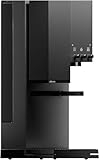
- 1. Three Levels of Automation for Any Skill Level: Choose from Autopilot, Copilot, or Free Solo mode. Autopilot handles the entire brewing process automatically. Copilot provides step-by-step guidance. Free Solo gives you full manual control. This coffee machine works for beginners and professional baristas alike.
- 2. Intuitive User Interface with Tactile Knobs and LED Matrix: The Studio features physical control knobs and a clear LED Matrix display. You can adjust grind size, water temperature, and flow rate in real time without navigating complicated touchscreen menus.
- 3. Full Customization via the xBloom App: Use the xBloom app to create, adjust, save, and share your favorite coffee recipes. Every brewing parameter can be fine-tuned and synced to the machine instantly. Your perfect cup is saved and repeatable.
- 4. Compostable xPod System for Minimal Waste and Maximum Flavor: Each xPod contains carefully selected whole beans and a built-in filter. Tap the recipe card, pour the beans into the grinder, place the pod into the dock, and press start. No capsules, no extra paper filters, no unnecessary waste.
- 5. What Is Included in the Box: The package includes the xBloom Studio, Omni Dripper 2 with Hyperflow Bottom, 10 paper filters, xPod Dock, Magnetic Dosing Cup, default recipe card, quick start guide, cleaning brush, and universal power cord. Everything you need is included.
If you enjoy the ritual and control over your brew, then a pour-over or French press might be for you because they require more hands-on effort. This classic French press is perfect for a rich, full-bodied cup.

- Wash in warm, soapy water before first use and dry thoroughly
- Not for stovetop use
- Turn lid to close spout
- Easy-to-clean glass carafe
FAQ
What does my coffee maker choice say about me?
Your coffee maker can reflect your priorities. A high-end espresso machine might suggest you value precision and indulgence, while a simple drip brewer could mean you prefer reliability and ease.
Is it okay to use pre-ground coffee?
For convenience, yes. But for the best flavor, whole beans ground right before brewing are superior because they retain more aromatic oils and compounds.
How often should I clean my coffee maker?
Daily rinsing of removable parts is ideal. A deep clean or descaling is usually needed every 1-3 months, depending on your water hardness and usage. Check your brewer’s manual for specific recommendations.
What’s the deal with water temperature?
For most brewing methods, water between 195°F and 205°F is ideal. Too hot can scorch the grounds, while too cool results in weak, sour coffee. Many automatic brewers manage this automatically.
Does the type of filter really matter?
Yes, it significantly impacts the final cup. Paper filters trap most oils, leading to a cleaner, brighter cup. Metal or cloth filters allow more oils through, resulting in a richer, fuller-bodied coffee.
What if my coffee is always bitter?
This often points to over-extraction. Try a slightly coarser grind, a lower water temperature, or a shorter brew time. Ensure your brewer is clean, too.
Why is my coffee tasting weak?
This is usually under-extraction. You might need a finer grind, hotter water, or a longer brew time. Also, double-check your coffee-to-water ratio – you might be using too little coffee.
Should I invest in a coffee grinder?
If you’re serious about great coffee, absolutely. A burr grinder is better than a blade grinder because it produces a more consistent particle size, leading to a more even extraction and better flavor.
What this page does NOT cover (and where to go next)
- Detailed comparisons of specific coffee maker brands and models. (Look for reviews and buyer’s guides.)
- Advanced brewing techniques for espresso, like tamping pressure or shot timing. (Explore specialty coffee resources.)
- The science behind coffee bean varietals and roast profiles. (Dive into coffee origin and roasting information.)
- DIY coffee maker cleaning solutions beyond basic descaling. (Consult appliance maintenance guides.)
- Specific recommendations for water filtration systems. (Research water quality and treatment options.)