
What Makes Nespresso Coffee Unique?
Quick Answer
- Nespresso uses pre-portioned coffee pods, not loose grounds.
- It’s a system designed for speed and consistency.
- The brewing method relies on high-pressure hot water injection.
- It’s known for its crema, a foamy layer on top.
- It offers a wide variety of coffee blends and flavors.
- It’s a convenient way to get espresso-style coffee at home.
Key Terms and Definitions
- Capsule/Pod: A sealed, single-serving container of ground coffee. Nespresso uses its own proprietary capsule design.
- Espresso: A concentrated coffee brewed by forcing hot water under high pressure through finely-ground coffee beans.
- Crema: The reddish-brown, foamy layer that sits atop a well-pulled shot of espresso. It’s formed by emulsified oils and CO2.
- Bar Pressure: A unit of measurement for pressure. Nespresso machines typically operate at 19 bars, which is high pressure for coffee brewing.
- Aroma: The smell of coffee. The sealed capsules help preserve the coffee’s volatile aroma compounds.
- Intensity: A rating system Nespresso uses to describe the strength and bitterness of a particular coffee blend.
- Single-Origin: Coffee beans that come from a single geographical location, like a specific farm or region.
- Blend: A mix of coffee beans from different origins, often created to achieve a specific flavor profile.
- Extraction: The process of dissolving soluble compounds from coffee grounds into water.
- Pre-portioned: Coffee is already measured out into each capsule, removing the need for manual weighing.
How Nespresso Coffee Works
- It all starts with a Nespresso capsule. These are sealed aluminum pods packed with roasted and ground coffee.
- You pop the capsule into the machine. It’s a pretty straightforward process.
- The machine pierces the capsule. This allows water to enter.
- Then, it forces hot water through the grounds at high pressure. We’re talking around 19 bars here, much higher than drip coffee.
- This high-pressure extraction pulls out the coffee’s oils and flavors. It’s designed to mimic traditional espresso.
- The hot, pressurized water flows through the coffee and out the spout.
- It creates that signature thick crema on top. That’s a big part of the Nespresso experience.
- The used capsule is then ejected into a collection bin. Clean-up is usually a breeze.
- The whole process takes about 20-30 seconds. That’s pretty fast.
What Makes Nespresso Coffee Different
- Capsule System: This is the big one. Instead of scooping grounds, you use a pre-measured, sealed pod. It’s all about convenience and consistency.
- High-Pressure Brewing: Nespresso machines use a pump to force water through the coffee at around 19 bars. This is key for creating espresso-style coffee with that rich crema.
- Sealed Freshness: The capsules are designed to protect the coffee from air and light. This helps lock in aroma and flavor until you’re ready to brew.
- Consistent Results: Because the coffee amount and grind are fixed in each capsule, and the pressure and temperature are controlled by the machine, you get a very similar cup every time.
- Speed: Brewing a coffee takes less than a minute from start to finish. Pop in the pod, push a button, and you’re done.
- Crema Quality: The high pressure and specific grind size within the capsule are engineered to produce a thick, stable crema, which is a hallmark of espresso.
- Variety of Blends: Nespresso offers a wide range of capsules, from intense dark roasts to milder, fruity options. They also have limited editions.
- Integrated System: The machine and the capsules are designed to work together. It’s a closed ecosystem.
- Grind Size: The coffee inside the capsules is ground to a specific fineness, optimized for the high-pressure extraction method. Too coarse, and it’s weak; too fine, and it clogs.
- Water Temperature: Nespresso machines maintain a consistent brewing temperature, typically around 192-205°F (89-96°C), which is crucial for proper extraction.
- Brewing Volume: The machines are programmed to dispense specific volumes of water for different coffee sizes (e.g., Espresso, Lungo). You don’t typically adjust this manually.
- Minimal Mess: There are no loose grounds to deal with. Just toss the used capsule.
Nespresso offers a wide range of capsules, from intense dark roasts to milder, fruity options. If you’re looking to explore, consider trying a variety pack of Nespresso coffee blends to discover your favorites.
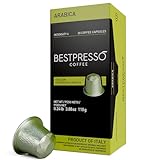
- ✔ 60 Days Satisfaction Guarantee. . Our Pods are not compatible with VertouLine Machines.
- Kosher certification: this product is certified kosher by the orthodox union.
- Coffee capsules compatible with Nespresso Original coffee machines
- High quality 100% natural & unique espresso in convenient Nespresso compatible pods 6 boxes, containing 20 capsules each, 120 capsules total
- No preservatives, no sugar or flavoring added, Over 50% Rainforest Alliance Certified Sustainable coffee in support of small coffee producers. Product from Italy
Pros, Cons, and When It Matters
- Pro: Unmatched Convenience: Pop in a pod, press a button, get coffee. It’s hard to beat for speed and ease. Great for busy mornings or when you just want a quick cup.
- Con: Environmental Impact: Those aluminum capsules, while recyclable, do create waste. Some folks worry about the footprint.
- Pro: Consistent Quality: Every cup tastes pretty much the same. If you like a specific blend, you know what you’re getting. Good for people who value predictability.
- Con: Limited Customization: You can’t easily tweak the grind, dose, or brew time like you can with traditional methods. You’re stuck with what’s in the pod.
- Pro: Rich Crema: The high-pressure system reliably produces a thick, appealing crema. It looks and feels like proper espresso.
- Con: Capsule Cost: Over time, buying individual capsules can add up. It’s generally more expensive per cup than brewing with whole beans.
- Pro: Wide Flavor Selection: Nespresso has a huge menu of different coffee blends, decafs, and flavored options. There’s something for almost every palate.
- Con: Proprietary System: You’re locked into Nespresso’s capsule system. While third-party options exist, the official ones are designed for their machines.
- Pro: Minimal Cleanup: No messy grounds or filters to deal with. Just empty the capsule bin. Perfect for those who hate cleaning coffee gear.
- Con: Less “Artisan” Feel: For coffee enthusiasts who enjoy the ritual of grinding beans and dialing in shots, Nespresso can feel a bit too automated and less hands-on.
- Pro: Compact Machines: Nespresso machines are often quite small and stylish, fitting easily into most kitchens.
- Con: Not True Espresso for Purists: While it mimics espresso, some purists argue that the speed and capsule method don’t achieve the same nuanced extraction as a high-end manual espresso machine.
Common Misconceptions
- “Nespresso is just like drip coffee”: Nope. The high-pressure system and capsule design create a fundamentally different beverage, more akin to espresso.
- “All coffee pods are the same”: Not at all. Nespresso has its own specific capsule shape and size. Other brands might not fit or work correctly.
- “Nespresso coffee is always bitter”: While some blends are intense, Nespresso offers a wide spectrum of flavors, including many milder and fruitier options. It depends on the capsule you choose.
- “You can use any coffee in a Nespresso machine”: Absolutely not. The machines are designed specifically for their proprietary capsules. Loose grounds will make a mess and won’t brew properly.
- “The crema on Nespresso isn’t real”: It’s real crema, formed by the pressurized extraction of oils and CO2 from the coffee. It might differ slightly from traditional espresso crema, but it’s a genuine component.
- “Nespresso machines are complicated to use”: Most Nespresso machines are incredibly user-friendly. It’s typically just inserting a pod and pressing a button.
- “Recycling Nespresso pods is impossible”: Nespresso has a robust recycling program. You can often mail them back or drop them off at collection points. Check their website for details.
- “Nespresso coffee is always expensive”: While the capsules cost more per serving than brewing with bulk beans, the initial machine cost can be lower than a high-end espresso setup. It’s a trade-off.
- “The coffee is stale because it’s in a pod”: The capsules are designed to be airtight, preserving freshness better than an opened bag of coffee beans that’s been sitting out.
FAQ
Q: What’s the main difference between Nespresso and Keurig?
A: Nespresso uses high-pressure extraction (like espresso machines) with sealed aluminum capsules. Keurig uses lower pressure with larger, often plastic, K-Cup pods. Nespresso is generally geared towards espresso-style drinks, while Keurig is more for regular coffee.
Q: How do I recycle Nespresso pods?
A: Nespresso offers a free recycling program. You can usually mail used capsules back to them or drop them off at designated collection points. Check the Nespresso website for the most current options in your area.
Q: Can I use regular ground coffee in my Nespresso machine?
A: No, you cannot. Nespresso machines are designed exclusively for their proprietary capsules. Using loose grounds will likely damage the machine and make a huge mess.
Q: Is Nespresso coffee healthy?
A: Black Nespresso coffee is generally healthy, similar to other black coffees. It contains antioxidants. Adding milk, cream, or sugar will add calories and fat, of course.
Q: How much caffeine is in a Nespresso pod?
A: Caffeine content varies by capsule. A standard Nespresso espresso (around 1.35 oz) typically has between 60-80 mg of caffeine. Lungo (around 3.7 oz) will have slightly more.
Q: Do I need to descale my Nespresso machine?
A: Yes, regular descaling is important for maintaining your machine’s performance and lifespan. Mineral buildup from water can affect brewing pressure and temperature. Check your machine’s manual for recommended descaling frequency and procedures.
Q: What does “intensity” mean on Nespresso pods?
A: Intensity is Nespresso’s rating system, usually on a scale of 1-13. It reflects the coffee’s bitterness and roast level, not necessarily caffeine content. Higher numbers generally mean a stronger, bolder flavor.
Q: Can I make milk-based drinks like lattes with Nespresso?
A: Yes, you can. You brew the espresso shot using a Nespresso capsule and then add frothed milk. Some Nespresso machines come with a built-in milk frother (Aeroccino), or you can buy one separately.
What This Page Does Not Cover (and Where to Go Next)
- Specific Nespresso machine models and their features. (Look for reviews of specific machine lines).
- Detailed comparisons between Nespresso and other pod systems. (Search for “Nespresso vs. Keurig” or “Nespresso vs. other pod systems”).
- The history of Nespresso or its parent company. (Explore articles on coffee industry history).
- Advanced espresso brewing techniques and theory. (Dive into resources on traditional espresso making).
- Specific coffee bean origins and flavor profiles in detail. (Research coffee origins and tasting notes).