
Wattage And Coffee Temperature: Does 950 Watts Suffice?
Quick Answer
- For most standard drip coffee makers, 950 watts is generally sufficient to heat water to optimal brewing temperatures.
- Higher wattage can lead to faster heating times, but doesn’t inherently guarantee a better-tasting cup.
- The heating element’s design and the coffee maker’s insulation play crucial roles in maintaining water temperature.
- Water temperature is a more significant factor in coffee extraction than the wattage of the heating element itself.
- Brewing at the correct temperature (around 195-205°F) is key, and 950 watts can typically achieve this.
- If your coffee consistently tastes lukewarm, the issue might be with the brewer’s design or maintenance, not just its wattage.
Key Terms and Definitions
- Wattage: A measure of electrical power, indicating how much energy an appliance uses per second. Higher wattage generally means more power.
- Brewing Temperature: The ideal temperature range for extracting flavor from coffee grounds, typically between 195°F and 205°F.
- Heating Element: The component within a coffee maker that converts electrical energy into heat to warm the water.
- Carafe: The pot that collects the brewed coffee. Its material and design can affect how long coffee stays hot.
- Insulation: The ability of a coffee maker or carafe to retain heat, preventing it from escaping into the environment.
- Extraction: The process of dissolving soluble compounds from coffee grounds into hot water. Temperature is a critical factor.
- Drip Coffee Maker: A common type of coffee maker where hot water is poured over coffee grounds in a filter, allowing gravity to pull the brewed coffee into a carafe.
- Thermal Carafe: A carafe designed with double-walled insulation to keep coffee hot for extended periods without a warming plate.
- Warming Plate: A heated surface beneath the carafe on some drip coffee makers designed to keep the coffee warm after brewing.
- SCA (Specialty Coffee Association): An organization that sets standards for coffee brewing, including ideal water temperature.
When considering a drip coffee maker, wattage is just one piece of the puzzle. For a reliable brewing experience, look for models that consistently reach optimal temperatures, like this well-regarded drip coffee maker.
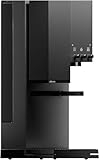
- 1. Three Levels of Automation for Any Skill Level: Choose from Autopilot, Copilot, or Free Solo mode. Autopilot handles the entire brewing process automatically. Copilot provides step-by-step guidance. Free Solo gives you full manual control. This coffee machine works for beginners and professional baristas alike.
- 2. Intuitive User Interface with Tactile Knobs and LED Matrix: The Studio features physical control knobs and a clear LED Matrix display. You can adjust grind size, water temperature, and flow rate in real time without navigating complicated touchscreen menus.
- 3. Full Customization via the xBloom App: Use the xBloom app to create, adjust, save, and share your favorite coffee recipes. Every brewing parameter can be fine-tuned and synced to the machine instantly. Your perfect cup is saved and repeatable.
- 4. Compostable xPod System for Minimal Waste and Maximum Flavor: Each xPod contains carefully selected whole beans and a built-in filter. Tap the recipe card, pour the beans into the grinder, place the pod into the dock, and press start. No capsules, no extra paper filters, no unnecessary waste.
- 5. What Is Included in the Box: The package includes the xBloom Studio, Omni Dripper 2 with Hyperflow Bottom, 10 paper filters, xPod Dock, Magnetic Dosing Cup, default recipe card, quick start guide, cleaning brush, and universal power cord. Everything you need is included.
How it Works
- A coffee maker, typically a drip brewer, draws cold water from a reservoir.
- This water then flows over or past a heating element, often a resistive coil.
- The heating element, powered by electricity, generates heat as water passes through or around it.
- The wattage of the heating element determines the rate at which it can transfer heat to the water.
- For a 950-watt element, it can convert 950 joules of electrical energy into heat every second.
- This heated water then travels up a tube to the brew basket.
- The hot water is dispersed over the coffee grounds held in a filter.
- As the water passes through the grounds, it extracts soluble flavors and compounds.
- The brewed coffee drips through the filter and into the carafe below.
- The goal is for the water to reach and maintain the optimal brewing temperature range throughout this process.
What Affects the Result
- Water Temperature: The most critical factor. Water that is too cool under-extracts (sour), and water that is too hot can over-extract (bitter). The target is 195-205°F.
- Grind Size: Finer grinds offer more surface area, leading to faster extraction. Coarser grinds require more time or hotter water for effective extraction.
- Coffee-to-Water Ratio: The proportion of coffee grounds to water significantly impacts strength and flavor. A common starting point is 1:15 to 1:18 (e.g., 1 gram of coffee to 15-18 grams of water).
- Brew Time: How long the water is in contact with the coffee grounds. This is influenced by grind size and water flow rate.
- Water Quality: Filtered or spring water is preferred. Tap water can contain minerals that affect taste or clog the machine.
- Freshness of Coffee Beans: Stale beans lose volatile aromatics and oils, resulting in a less flavorful cup, regardless of brewing conditions.
- Brewer Design: The internal pathways, showerhead dispersion, and insulation of the coffee maker all influence how evenly and at what temperature water contacts the grounds.
- Carafe Type: A thermal carafe will keep coffee hot longer than a glass carafe sitting on a warming plate, which can sometimes “cook” the coffee.
- Pre-infusion/Bloom: Some brewers allow a brief period for grounds to saturate before full brewing, which can improve extraction.
- Water Flow Rate: How quickly water is delivered to the grounds. Too fast can lead to under-extraction; too slow can lead to over-extraction.
- Ambient Temperature: Very cold kitchen environments might slightly affect the water temperature as it travels to the brew basket.
Pros, Cons, and When it Matters
- Higher Wattage (e.g., 1200+ watts):
- Pros: Heats water very quickly, potentially reducing brew time. Can be beneficial for machines that need to heat a large volume of water rapidly.
- Cons: May consume more electricity. In some cases, extremely rapid heating could lead to uneven water temperatures if the machine isn’t designed well.
- When it Matters: For busy mornings where speed is paramount, or for brewers that require a very fast heat-up cycle.
- Standard Wattage (e.g., 950 watts):
- Pros: Generally sufficient for optimal brewing temperatures in most home machines. Energy-efficient compared to very high-wattage appliances. Widely available and common.
- Cons: Might take slightly longer to heat water compared to higher-wattage models.
- When it Matters: For the vast majority of home users seeking a reliable and good-tasting cup of coffee without needing extreme speed. It’s the standard for a reason.
- Lower Wattage (e.g., under 700 watts):
- Pros: Most energy-efficient.
- Cons: May struggle to reach or maintain optimal brewing temperatures, especially in colder environments or for larger batches. Can result in lukewarm coffee or longer brew times.
- When it Matters: For very small, portable brewers or personal coffee makers where heating a small amount of water is the sole purpose.
- Brewing Temperature Consistency:
- Pros: Crucial for consistent flavor extraction.
- Cons: Not all brewers maintain temperature well, regardless of wattage.
- When it Matters: For anyone serious about their coffee tasting the same, delicious way every time.
- Carafe Insulation:
- Pros: Keeps coffee hot for hours without a warming plate, preserving flavor.
- Cons: Thermal carafes often require manual pouring and may not fit all brew baskets.
- When it Matters: If you drink coffee over a long period or want to avoid the burnt taste from a warming plate.
Common Misconceptions
- Higher wattage always means better coffee: Not necessarily. Wattage affects heating speed, but optimal brewing temperature and consistency are more important for taste.
- All coffee makers heat water to the same temperature: This is false. Brewer design, heating element quality, and insulation vary greatly between models.
- Lukewarm coffee is solely due to low wattage: It could be a brewer that doesn’t reach optimal temps, a faulty thermostat, a poorly insulated carafe, or even a cold mug.
- Warming plates are essential for keeping coffee hot: Thermal carafes are a superior alternative for preserving flavor over time.
- The amount of water heated is directly proportional to wattage: Wattage affects the rate of heating, not the total volume that can be heated. A 950-watt machine can heat a full pot, it just might take a bit longer than a 1500-watt one.
- Wattage is the only spec that matters for coffee makers: Many other factors, including pump pressure (for espresso), showerhead design, and material quality, are also important.
- You need a very expensive machine for good coffee: While high-end machines often excel, many well-designed mid-range brewers can produce excellent coffee.
- Any hot water will do for coffee: Water temperature is a key variable in extraction. Water that is too hot or too cold will negatively impact flavor.
FAQ
- Does 950 watts make hot coffee?
Yes, 950 watts is generally sufficient for most standard drip coffee makers to heat water to the optimal brewing temperature range of 195-205°F.
- Will a higher wattage coffee maker brew better coffee?
Not automatically. Higher wattage primarily means faster heating. The quality of the brew depends more on achieving and maintaining the correct water temperature, proper extraction, and good coffee grounds.
- What is the ideal brewing temperature for coffee?
The Specialty Coffee Association (SCA) recommends a brewing temperature between 195°F and 205°F for optimal flavor extraction.
- If my coffee is lukewarm, is my coffee maker’s wattage too low?
It could be one factor, but it’s more likely an issue with the brewer’s design, its ability to maintain temperature, or a faulty thermostat. A poorly insulated carafe can also contribute.
- How long should it take for a coffee maker to brew a pot?
For a standard 10-12 cup drip coffee maker, brewing typically takes between 5 to 10 minutes once the heating cycle begins. This can vary based on wattage and design.
- Are thermal carafes better than glass carafes with warming plates?
For flavor preservation, yes. Thermal carafes keep coffee hot for hours without further heating, preventing the “cooked” or burnt taste that can develop on a warming plate.
- Does the wattage affect how long coffee stays hot after brewing?
No, wattage relates to the initial heating process. How long coffee stays hot depends on the carafe’s insulation (thermal carafe) or the warming plate’s effectiveness and duration.
What This Page Does NOT Cover (and Where to Go Next)
- Specific coffee maker models and their performance: This page discusses general principles. For detailed reviews, look for product comparisons and expert tests.
- Espresso machine mechanics and wattage: Espresso machines operate under different principles (pressure) and have varying wattage requirements. Explore resources dedicated to espresso.
- Advanced brewing techniques: Methods like pour-over, Aeropress, or French press have their own specific temperature and technique considerations. Research these methods individually.
- Water chemistry and its impact on coffee: The mineral content of your water can significantly affect taste. For in-depth knowledge, look into water filtration and coffee brewing water guides.