
Vanilla Iced Coffee Without Creamer
Quick Answer
- Use a strong, concentrated coffee brew (like cold brew concentrate or espresso) as your base.
- Infuse vanilla flavor directly into the coffee grounds or the brewing water.
- Sweeten with simple syrup or a vanilla-infused simple syrup for best dissolution.
- Chill the coffee thoroughly before adding ice to prevent dilution.
- Adjust sweetness and vanilla intensity to your personal preference.
- Consider a small amount of milk or milk alternative for texture, if desired, though it’s not strictly creamer.
Who This Is For
- Coffee drinkers who want a refreshing vanilla iced coffee without using traditional dairy or non-dairy creamers.
- Individuals looking for a lighter, less calorie-dense iced coffee option.
- Home baristas interested in exploring natural flavoring methods for their coffee.
What to Check First
Before you start brewing your vanilla iced coffee without creamer, a few foundational elements will ensure a better outcome.
Brewer Type and Filter Type
The method you use to brew your coffee will significantly impact its strength and flavor profile. For iced coffee, a stronger brew is generally preferred to compensate for dilution from ice.
- Drip coffee makers: Can work, but you’ll need to brew a stronger batch (use more coffee grounds or less water).
- Pour-over: Offers excellent control and can produce a clean, strong cup.
- French press: Creates a full-bodied coffee, which can be a good base.
- Espresso machine: Espresso shots are ideal for a concentrated base, though this requires specific equipment.
- Cold brew: This method naturally produces a concentrated, smooth coffee that’s perfect for iced drinks.
The type of filter also matters. Paper filters offer a cleaner cup, while metal or cloth filters allow more oils and fine particles through, resulting in a richer texture. For vanilla iced coffee without creamer, a cleaner base often lets the vanilla flavor shine through more distinctly.
Water Quality and Temperature
Water makes up over 98% of your coffee, so its quality is paramount.
- Filtered water: Using filtered tap water or good quality bottled water is recommended. Avoid distilled water, as it lacks the minerals needed for proper extraction.
- Temperature: For hot brewing methods, aim for water between 195°F and 205°F. Too cool, and you get under-extraction (sourness); too hot, and you risk over-extraction (bitterness). For cold brew, the temperature is ambient, but the steeping time is extended.
Grind Size and Coffee Freshness
The grind size dictates how quickly water extracts flavor from the coffee. Freshness ensures you’re working with vibrant coffee compounds.
- Grind Size:
- Coarse: Best for French press and cold brew.
- Medium: Good for drip coffee makers and pour-overs.
- Fine: Typically for espresso.
Using the wrong grind size can lead to under- or over-extraction. For example, using a fine grind in a French press can result in a muddy, bitter cup.
- Freshness: Whole beans that are freshly roasted and ground just before brewing will yield the best flavor. Pre-ground coffee loses its aromatics and flavor compounds much faster. Look for a roast date on the bag.
Coffee-to-Water Ratio
This ratio determines the strength of your coffee. For iced coffee, you generally want a higher coffee-to-water ratio than for hot coffee to account for ice melt.
- General Guideline: A common starting point for hot coffee is around 1:15 to 1:18 (coffee to water by weight).
- For Iced Coffee: Consider a ratio closer to 1:8 to 1:12 if brewing hot to be chilled, or use a cold brew concentrate ratio of 1:4 to 1:6.
- Example: If using a drip machine and aiming for a stronger brew, you might use 30 grams of coffee for 400 ml (about 13.5 oz) of water, instead of the typical 20 grams for 300 ml.
Cleanliness/Descale Status
A clean coffee maker is essential for good-tasting coffee. Coffee oils can build up and turn rancid, imparting off-flavors. Mineral deposits from hard water can also affect brewing temperature and flow.
- Regular Cleaning: Wash removable parts (carafe, filter basket) after each use with soap and water. Wipe down the exterior.
- Descaling: For most machines, descaling (removing mineral buildup) should be done every 1-3 months, depending on your water hardness and usage. Follow your brewer’s manual for specific instructions, often involving a vinegar or descaling solution cycle.
Step-by-Step Vanilla Iced Coffee Without Creamer Brew Workflow
This workflow assumes you’re using a method to brew a strong coffee base, like a pour-over or a concentrated drip brew, and then infusing vanilla.
1. Prepare Vanilla Infusion:
- What to do: You can either add vanilla extract to your grounds (a few drops), or, for a more nuanced flavor, create a vanilla simple syrup. To make vanilla simple syrup, combine equal parts sugar and water in a saucepan, heat until sugar dissolves, then add a split vanilla bean (or 1-2 tsp vanilla extract) and let it steep off the heat for 15-30 minutes. Strain and cool.
- What “good” looks like: A fragrant vanilla aroma, either from the grounds or the syrup. The syrup should be smooth and fully dissolved.
- Common mistake: Using too much vanilla extract, which can taste artificial or overpowering. Start with a small amount and add more to taste.
2. Grind Your Coffee Beans:
- What to do: Grind your coffee beans to the appropriate size for your chosen brewing method (e.g., medium for drip, coarse for French press). Grind only what you need for freshness.
- What “good” looks like: Uniformly sized grounds. If you see a mix of fine dust and large chunks, your grinder may need adjustment.
- Common mistake: Using pre-ground coffee. This significantly reduces flavor and aroma, making it harder to achieve a satisfying vanilla iced coffee.
3. Prepare Your Brewer:
- What to do: If using a paper filter, rinse it with hot water. This removes any papery taste and preheats your brewing vessel. Discard the rinse water.
- What “good” looks like: A clean, preheated brewing cone or carafe.
- Common mistake: Not rinsing the paper filter. This can impart a subtle but unpleasant paper taste to your coffee.
4. Add Coffee Grounds:
- What to do: Place the freshly ground coffee into your prepared filter or brewing chamber.
- What “good” looks like: An even bed of coffee grounds.
- Common mistake: Tamping the grounds down too firmly (especially in pour-over or drip), which can impede water flow and lead to uneven extraction.
5. Bloom the Coffee (Hot Brew Methods):
- What to do: Pour just enough hot water (around 195-205°F) over the grounds to saturate them evenly. Wait about 30 seconds.
- What “good” looks like: The coffee grounds will expand and release CO2, creating a “bloom.” This indicates freshness and prepares the grounds for optimal extraction.
- Common mistake: Skipping the bloom. This can lead to channeling (water finding paths of least resistance) and uneven extraction, resulting in a weak or bitter cup.
6. Brew Your Coffee Concentrate:
- What to do: Continue pouring hot water slowly and steadily over the grounds, using a circular motion to ensure even saturation. Aim to use less water than you would for a standard cup to create a concentrate. For cold brew, add coffee grounds and cold water to a container, stir, and let it steep for 12-24 hours.
- What “good” looks like: A rich, dark liquid dripping into your carafe. For cold brew, a deep amber or dark brown liquid after steeping and filtering.
- Common mistake: Pouring water too quickly or all at once, which can lead to over-extraction or under-extraction.
7. Cool the Coffee:
- What to do: Let the brewed coffee concentrate cool at room temperature for at least 15-30 minutes. Then, refrigerate it until thoroughly chilled (at least 2-3 hours, or overnight for cold brew).
- What “good” looks like: Cold, concentrated coffee.
- Common mistake: Pouring hot coffee directly over ice. This melts the ice too quickly, diluting your drink and weakening the flavor.
8. Prepare Your Serving Glass:
- What to do: Fill a tall glass generously with ice.
- What “good” looks like: A glass full of ice, ready to receive your chilled coffee.
- Common mistake: Not using enough ice. This will lead to a less refreshing drink and faster dilution.
To make your vanilla iced coffee truly shine, consider serving it in a tall glass. These iced coffee glasses are perfect for showcasing your creation and keeping it perfectly chilled.
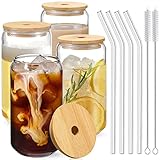
- PRODUCT CONFIGURATION: Drinking glass set includes 4 glass cups [ Diameter - 3 inches, Height - 5.6 inches ],4 nature bamboo lids, 4 reusable glass straws and 2 cleaning brushes, Classic design tumbler
- DURABLE and SAFE: The glasses are made of high-quality durable clear glass, Lead-free and BPA-free. It can be used safely for a long time. This thick clear glass can withstand the sudden changes in the temperature difference between -68°F to 212°F, making them dishwasher safe. If you want to decorate this glass, you can do DIY easily without breakage
- MULTI-PURPOSE: The glassware Great for any Occasion, any hot and cold drinks, home essentials. It is widely loved by families, kitchen, breweries, cafes, bars and restaurants. You can use it to make perfect tea, bubble Pearl Milk Tea, soda, water, iced coffee, smoothie, fruit juice or any other interesting holiday drinks
- AMAZING GIFT: This jar is very fashionable, aesthetic and characteristic. Excellent workmanship. Perfect Gifts for Women, House warming gifts, Tea mug Sets, Highball Glasses, Home Bar Accessories, Birthdays, Graduation, Weddings and Christmas Gifts
- SATISFIED SERVICE: This glass set is packaged in the heavy bubble holder and thick carton box to prevent damage while in transport. If the glass set you received was damaged or imperfect or you are not satisfied, we will offer a satisfactory solution
9. Add Sweetener (Optional):
- What to do: Add your desired amount of simple syrup (plain or vanilla-infused) to the glass.
- What “good” looks like: The syrup mixes easily into the liquid.
- Common mistake: Using granulated sugar. It dissolves poorly in cold liquids, leading to gritty texture and uneven sweetness.
10. Pour the Coffee:
- What to do: Pour the chilled coffee concentrate over the ice and sweetener.
- What “good” looks like: A rich, dark liquid settling over the ice.
- Common mistake: Using too much coffee concentrate, making it too strong or bitter. Start with less and add more if needed.
11. Add Vanilla Flavor (if not infused earlier):
- What to do: If you didn’t use vanilla syrup or infuse the grounds, add a few drops of vanilla extract or a splash of vanilla bean paste now. Stir well.
- What “good” looks like: The vanilla flavor is evenly distributed and complements the coffee.
- Common mistake: Adding vanilla extract directly to the hot brew. It can evaporate or break down, losing its delicate flavor.
12. Stir and Enjoy:
- What to do: Stir everything together thoroughly to combine the coffee, sweetener, and vanilla.
- What “good” looks like: A well-mixed, delicious vanilla iced coffee.
- Common mistake: Not stirring enough, leaving pockets of sweetener or unmixed vanilla at the bottom.
Common Mistakes (and What Happens If You Ignore Them)
| Mistake | What It Causes | Fix |
|---|---|---|
| Using stale or pre-ground coffee | Weak, flat, or bitter flavor; lack of aroma | Use freshly roasted whole beans and grind them just before brewing. |
| Incorrect grind size | Under-extracted (sour) or over-extracted (bitter) | Match grind size to your brewing method (coarse for French press/cold brew, medium for drip/pour-over, fine for espresso). |
| Brewing with water too hot or too cold | Under-extracted (sour) or over-extracted (bitter) | For hot brew, aim for 195-205°F. For cold brew, use cold water and a longer steep time. |
| Not rinsing paper filters | Unpleasant papery taste in the coffee | Rinse paper filters with hot water before adding grounds. |
| Pouring hot coffee directly over ice | Diluted, weak iced coffee; melts ice too fast | Chill brewed coffee completely before serving over ice. |
| Using granulated sugar in cold drinks | Gritty texture; uneven sweetness | Use simple syrup (or vanilla-infused simple syrup) for easy dissolution. |
| Over-extraction (e.g., steeping too long) | Bitter, harsh, or astringent coffee | Adjust brew time or grind size. For cold brew, shorten steep time. For hot brew, stop the flow of water sooner. |
| Under-extraction (e.g., too coarse a grind) | Sour, weak, or thin-bodied coffee | Adjust grind size to be finer, or increase brew time. Ensure water saturates all grounds evenly. |
| Not cleaning the coffee maker regularly | Rancid, oily, or off-flavors in the coffee | Wash carafe and filter basket after each use. Descale your machine every 1-3 months. |
| Using tap water with strong off-flavors | Unpleasant taste imparted to the coffee | Use filtered or good-quality bottled water. |
| Too much vanilla extract | Artificial, medicinal, or overpowering vanilla taste | Start with a very small amount (a few drops) and taste. Add more gradually if needed. |
| Not brewing a strong enough base | Weak vanilla iced coffee that tastes watered down | Use a higher coffee-to-water ratio or a cold brew concentrate. Remember ice will dilute the drink. |
Decision Rules for Vanilla Iced Coffee Without Creamer
- If your coffee tastes sour, then your grind size is likely too coarse or your water temperature was too low because under-extraction occurs when water can’t efficiently pull flavor compounds from the grounds.
- If your coffee tastes bitter, then your grind size is likely too fine or you over-extracted because too much flavor has been pulled from the grounds.
- If your iced coffee tastes weak and watery, then you didn’t brew a strong enough coffee concentrate or you used too much ice because the ice melted and diluted the coffee too quickly.
- If your vanilla flavor is too subtle, then add more vanilla extract or simple syrup because the current amount isn’t enough to be noticeable.
- If your vanilla flavor is overpowering, then dilute the drink with more plain coffee or add a bit more sweetener to balance it because the vanilla is masking the coffee flavor.
- If you prefer a cleaner-tasting iced coffee, then use a paper filter and a pour-over or drip method because these methods tend to produce a less oily, cleaner cup.
- If you prefer a richer, fuller-bodied iced coffee, then use a French press or metal filter with your brewer because these allow more coffee oils and fine particles into the brew.
- If you want the easiest and most consistent strong base for iced coffee, then make cold brew concentrate because it’s forgiving and produces a smooth, concentrated coffee.
- If your simple syrup is gritty, then you likely used granulated sugar that didn’t fully dissolve because sugar crystals need heat or time to fully incorporate into liquids.
- If you’re concerned about calories, then use a sugar-free simple syrup alternative or a minimal amount of natural sweetener like stevia because this will reduce sugar intake while still providing sweetness.
- If your coffee tastes “off” or stale, then your beans are likely old or were ground too far in advance because coffee freshness is key to vibrant flavor.
- If you want to avoid artificial flavors, then use vanilla bean paste or a whole vanilla bean to infuse your simple syrup because these provide a more natural and complex vanilla aroma and taste.
FAQ
How can I get a strong coffee flavor without creamer?
To achieve a robust coffee flavor, brew a concentrated coffee base. This means using more coffee grounds than usual for the amount of water, or using a method like espresso or cold brew concentrate. This ensures the coffee flavor stands up to the ice without needing cream.
What’s the best way to add vanilla flavor?
The most effective ways are to use a vanilla-infused simple syrup, add a few drops of high-quality vanilla extract to your chilled coffee, or even add a split vanilla bean to your coffee grounds before brewing for a more subtle, natural infusion.
Can I use vanilla syrup from a store?
Yes, you can use store-bought vanilla syrup, but be mindful of the sugar content and artificial flavorings. Many people prefer making their own simple syrup with real vanilla extract or a vanilla bean for a more natural taste.
How do I avoid a watery iced coffee?
The key is to chill your brewed coffee thoroughly before pouring it over ice. Alternatively, you can “flash chill” hot coffee by brewing it directly over a small amount of ice, but be sure to use a concentrated brew to account for the melting ice.
Is cold brew the only way to make a good base?
No, you can also use espresso shots or a very strong drip or pour-over coffee. The goal is always to create a concentrated coffee that won’t become diluted and weak when served over ice.
What if I don’t have simple syrup?
You can use granulated sugar, but you’ll need to stir vigorously and potentially wait for it to dissolve. A better alternative is to heat a small amount of water with sugar until dissolved, then let it cool. This creates an instant simple syrup.
Can I add milk or milk alternatives?
While this guide focuses on avoiding creamer, you can certainly add a splash of milk, almond milk, oat milk, or soy milk for texture and a slightly richer mouthfeel. This is different from adding a significant amount of creamer.
How long does homemade vanilla syrup last?
When stored in an airtight container in the refrigerator, homemade simple syrup (plain or vanilla-infused) typically lasts for about 2-3 weeks.
What This Page Does Not Cover (and Where to Go Next)
- Specific coffee bean recommendations: This guide focuses on the brewing process, not specific bean origins or roast profiles. Explore different single-origin beans or blends to find what suits your taste.
- Advanced espresso techniques: If you’re interested in using an espresso machine for your iced coffee base, you’ll want to research topics like tamping, extraction times, and pressure.
- Dairy-free creamer alternatives: While we avoid traditional creamers, this guide doesn’t delve into the vast world of plant-based creamers and their impact on flavor and texture.
- Flavor pairing beyond vanilla: Experimenting with other extracts like almond, hazelnut, or even spices like cinnamon can open up new iced coffee possibilities.