Using the Tool to Clean Your Bunn Coffee Maker
Quick answer
- Use the Bunn cleaning tool for a spotless brew.
- Regular cleaning prevents mineral buildup.
- Follow the tool’s instructions for best results.
- Always unplug the brewer before cleaning.
- Use a descaling solution for stubborn mineral deposits.
- Rinse thoroughly after cleaning.
- A clean brewer makes better coffee.
For a truly spotless brew, consider investing in a dedicated Bunn coffee maker cleaning tool. This specialized tool is designed to reach all the nooks and crannies of your machine.

- Cleaning kit: includes 3 plastic nylon brushes, 2 wooden coffee brushes, 10 bendable stainless steel long handled brushes, size reference picture
- Premium Quality: The wooden brush is made of solid wood and pig bristles, the plastic brush is made of plastic and nylon bristles, and the long handled brush is made of stainless steel handle and nylon brush head, which can be bent
- Ergonomic design: The nylon brush with elbow design can effectively remove burrs, blades, and other coffee residues in narrow spaces of the grinder. Flexible steel brushes can effectively remove mineral deposits and residues accumulated in pipeline gaps to achieve optimal machine performance
- Versatile Use: Very suitable for cleaning espresso machines, coffee pots, cups, water bottles, straws, baking tools and tea sets, various machine pipelines, multi-purpose cleaning solutions, allowing you to delve into difficult to clean curved areas
- Easy to clean: Brushes are easy to rinse and dry, ensuring they remain hygienic, durable, and a small amount of bristle shedding is normal - please rest assured that they are safe and effective to use. Durable brushes and tools designed for multiple cleaning cycles
Who this is for
- Bunn coffee maker owners who want to maintain their equipment.
- Anyone experiencing slow brewing or off-tastes in their coffee.
- People who want to extend the lifespan of their Bunn brewer.
What to check first
Brewer type and filter type
First off, know your Bunn. Is it a residential model or a commercial-style one you’ve got at home? They might have slightly different cleaning routines. And what kind of filter are you using? Paper filters are common, but some use permanent screens. This affects how you clean out coffee grounds.
Water quality and temperature
Hard water? That’s your enemy number one for mineral buildup. If your tap water is loaded with minerals, you’ll need to descale more often. And when you’re brewing, that water temp needs to be right. Too cool, and you won’t extract properly. Too hot, and you can scorch the grounds.
Grind size and coffee freshness
This is more about brewing great coffee, but it ties into cleaning. If your grind is too fine, it can clog filters and make a mess. Fresher coffee beans mean better flavor, but stale grounds can leave residue. Always use freshly ground beans if you can.
Coffee-to-water ratio
Getting this right means you’re not over-extracting or under-extracting. Too much coffee for the water can lead to bitter brews and can clog things up. Too little, and it’s weak. A good starting point is usually around 1:15 to 1:17 (coffee to water by weight). But hey, adjust to your taste.
Cleanliness/descale status
This is the big one for this article. When was the last time you really cleaned your Bunn? If it’s been a while, you’re probably seeing some buildup. Mineral deposits, coffee oils – they all stick around. A clean brewer is a happy brewer.
Step-by-step (brew workflow)
Here’s how to tackle the cleaning using that special tool. It’s pretty straightforward.
1. Unplug the brewer.
- What “good” looks like: The machine is completely powered down and safe to touch.
- Common mistake: Forgetting to unplug it. You don’t want any surprises.
2. Remove the brew basket and filter.
- What “good” looks like: The basket is out, and any used grounds are ready to be discarded.
- Common mistake: Leaving the grounds in the basket. This just makes more mess.
3. Discard used coffee grounds.
- What “good” looks like: The filter and basket are empty.
- Common mistake: Not getting all the grounds out. Little bits can stick around.
4. Rinse the brew basket and filter.
- What “good” looks like: They look clean and free of coffee residue.
- Common mistake: Just a quick rinse that doesn’t remove oils.
5. Locate the cleaning port/tool access.
- What “good” looks like: You’ve found where the cleaning tool fits. Check your manual if you’re unsure.
- Common mistake: Trying to force the tool where it doesn’t belong.
6. Insert the Bunn cleaning tool.
- What “good” looks like: The tool is seated correctly and ready to do its job. It should fit snugly.
- Common mistake: Not pushing it in all the way.
7. Run a brew cycle with a cleaning solution (if descaling).
- What “good” looks like: The solution is being pushed through the machine as intended.
- Common mistake: Using plain water when a descaling solution is needed.
8. Run a plain water rinse cycle.
- What “good” looks like: All traces of the cleaning solution are flushed out.
- Common mistake: Not running enough water cycles to fully rinse.
9. Remove the cleaning tool.
- What “good” looks like: The tool comes out easily and the port is clear.
- Common mistake: Yanking it out too hard.
10. Reassemble and wipe down the exterior.
- What “good” looks like: Everything is back in place, and the brewer looks clean.
- Common mistake: Leaving water spots or coffee drips on the outside.
Common mistakes (and what happens if you ignore them)
| Mistake | What it causes | Fix |
|---|---|---|
| Not unplugging the brewer | Electric shock hazard. | Always disconnect power before any cleaning or maintenance. Seriously, safety first. |
| Using the wrong cleaning solution | Damage to internal components or ineffective cleaning. | Stick to solutions recommended by Bunn or specifically designed for coffee makers. Avoid harsh chemicals. |
| Not rinsing thoroughly | Lingering cleaning solution taste in your coffee. | Run at least two full cycles of plain water after using a cleaning solution. Taste the water from the last cycle to be sure. |
| Forgetting to clean the brew basket | Stale coffee oils and grounds build up, affecting taste and potentially clogging. | Wash the brew basket with soap and water after each use. Make sure it’s completely dry before putting it back. |
| Infrequent descaling | Slow brewing, weak coffee, and eventual brewer failure due to mineral blockage. | Descale every 1-3 months, depending on your water hardness. The cleaning tool helps, but the descaling solution is key for minerals. |
| Using the cleaning tool incorrectly | Incomplete cleaning or potential damage to the tool or brewer. | Refer to the tool’s specific instructions or your Bunn manual. Ensure it’s seated properly before running a cycle. |
| Ignoring strange noises or slow brewing | Indicates a potential blockage or failing component that needs attention. | Don’t wait for a total breakdown. If brewing slows significantly or you hear unusual sounds, it’s time to clean or seek professional help. |
| Not cleaning the water reservoir | Algae or mold growth, affecting water purity and coffee taste. | If your reservoir is removable, wash it regularly with mild soap and water. If not, a good rinse with a descaling solution can help. |
| Coffee grounds left in the showerhead area | Can lead to clogs and uneven water distribution over the coffee grounds. | After brewing, check the showerhead area for any stray grounds and wipe it clean. |
| Using abrasive cleaners or scrubbers | Scratches on the brewer’s finish or internal parts. | Stick to soft cloths, sponges, and recommended cleaning solutions. Gentle is the way to go for keeping your Bunn looking and working great. |
If you’re noticing persistent issues even after cleaning, it might be time to check for worn-out Bunn coffee maker parts. Replacing these can often restore your machine to its optimal performance.
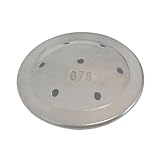
- High quality construction: Made from industrial grade stainless steel, providing a durable, rust-resistant spray head for a superior coffee brewing experience. Replace our original plastic spray head with our stainless steel version for a longer-lasting, quality coffee experience.
- Direct replacement: This is designed to fit seamlessley with GR (GRX), BX, and BT (BTN) series coffee makers.
- High flow functionality: Features 7 spray holes for maximum brewing efficiency while preventing filter overflows.
- Easy to Clean: Its distinctive silver finish aids in quickly locating it in coffee grounds if dislodged from the machine, promoting cleanliness and a hygienic brewing process.
- OCS Parts Assured Quality: At OCS parts, our products undergo meticulous examination to ensure unmatched performance and reliability. Trust OCS Parts for genuine, direct sourcing, and secure packaging, delivering a product that meets the highest standards of quality and customer satisfaction.
Decision rules (simple if/then)
- If your coffee tastes bitter, then check your coffee-to-water ratio and grind size because too fine a grind or too much coffee can over-extract.
- If your Bunn brews slower than usual, then it’s time to descale because mineral buildup is likely restricting water flow.
- If you notice a film or residue in your brew basket, then wash it with soap and water after every use because coffee oils are the culprit.
- If your coffee tastes “off” or stale, then check the freshness of your coffee beans and ensure your brewer is clean because old beans or residue will ruin the flavor.
- If you have very hard tap water, then you should descale more frequently, perhaps every month, because minerals build up faster.
- If the cleaning tool doesn’t seem to fit snugly, then double-check that you have the correct tool for your specific Bunn model because they can vary.
- If you’re unsure about a specific cleaning step, then consult your Bunn owner’s manual because it has model-specific instructions.
- If you see white, chalky deposits inside your brewer, then you definitely need to descale using a proper descaling solution because that’s mineral scale.
- If your coffee is weak and watery, then check your grind size and coffee-to-water ratio because you might be under-extracting.
- If you’ve just used a descaling solution, then run at least two full cycles of plain water because you need to flush out all the cleaner.
- If your brewer is making unusual gurgling or sputtering noises, then check for clogs in the brew basket or showerhead area because debris can cause these sounds.
FAQ
How often should I use the Bunn cleaning tool?
You should use the cleaning tool as part of your regular cleaning and descaling routine. For most users, this means descaling every 1-3 months. Check your manual for specifics.
Can I use vinegar to clean my Bunn coffee maker?
While vinegar is a common household cleaner, it’s often not recommended for Bunn brewers. It can leave a strong odor and taste, and some manufacturers advise against it. Stick to commercial descaling solutions designed for coffee makers.
What is the Bunn cleaning tool for?
The tool is designed to help clean out the internal components of your Bunn brewer, specifically areas that are hard to reach. It helps ensure proper water flow and removes buildup.
My coffee tastes metallic. What’s wrong?
This can be caused by mineral buildup in your brewer or by using an old, corroded cleaning tool. Regular descaling and replacing worn-out cleaning tools should resolve this.
How do I know if I need to descale?
Signs include slower brewing times, coffee not getting as hot as it used to, or visible white, chalky deposits inside the water reservoir or brew basket.
Can I leave the cleaning tool in my Bunn all the time?
No, the cleaning tool is meant for specific cleaning cycles. It should be removed after use and stored properly. Leaving it in can obstruct normal brewing.
Is it okay to use hot water with the cleaning solution?
Generally, yes. Most descaling solutions are designed to work with hot water, which helps dissolve the mineral deposits more effectively. Always follow the instructions on your descaling solution.
What if the cleaning tool gets stuck?
First, ensure the brewer is unplugged. Gently try to wiggle it free. If it’s really stuck, consult your Bunn manual or contact customer support for assistance. Don’t force it aggressively.
What this page does NOT cover (and where to go next)
- Detailed troubleshooting for electrical issues with your Bunn brewer. (Check the manual or contact a qualified technician.)
- Specific recommendations for coffee beans or roast levels. (Explore local roasters or online coffee communities.)
- Advanced brewing techniques like pour-over or espresso. (Look for dedicated guides on those methods.)
- Repairing damaged internal components of your Bunn. (Contact Bunn customer service or a certified repair shop.)
- Commercial-grade Bunn models and their unique maintenance needs. (Refer to the specific commercial model’s manual or Bunn’s commercial support.)