
Using an Infuser for Your Cold Brew Coffee
Quick answer
- Use a coarse grind for your coffee beans.
- Aim for a 1:4 to 1:8 coffee-to-water ratio.
- Steep for 12-24 hours in the fridge.
- Use filtered water for the best flavor.
- An infuser basket or bag keeps grounds out of your final brew.
- Taste and adjust steep time or ratio for your preference.
Who this is for
- Coffee lovers who want smooth, low-acid iced coffee.
- Anyone who prefers making coffee at home over buying it.
- People looking for a simple, hands-off brewing method.
What to check first
Brewer type and filter type
You’re using an infuser, which is great. This usually means a pitcher with a built-in basket or a separate infuser bag. The key is that it keeps the grounds contained. Make sure your infuser is clean and ready to go. No one wants yesterday’s coffee taste in today’s brew.
Using an infuser basket is a great way to keep grounds out of your cold brew. If yours needs a refresh, consider a new one to ensure the best flavor.
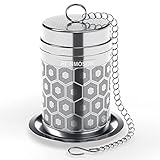
- Upgraded Micron Mesh: loose leaf tea steeper is Ideal to hold tea leaves, particles, or ground coffee. Compared to traditional tea strainer, our tea ball features 50% more ultra fine, half-sized holes for optimal tea flavor and minimal sediment leak. Ideal for rooibos, herbs, green tea, Chai, ground coffee, small tea leaves and etc.
- High-Quality Materials: Made of 304 food-grade stainless steel, tea ball infuser for loose tea is easier to be cleaned. Besides, loose tea steeper ensures no metallic taste on your tea or coffee and never rust for years of use. Money-saving and eco-friendly alternative to disposable tea bags and paper filters.
- Easy to Open and Close: With the design of thread top, the lids screw easily and are much more secure than the traditional twist lid, so the tea leaves will be held tightly and the lid never escapes during the process of brewing.
- Wide Application: tea steeper is not only for loose tea leaves but also a spice filter, infusing spices, herbs, and seasonings in soups, sauce, broths, and stews. Extended 4.3” chain with S-handle makes tea infusers can catch securely on any rim of mugs, cups, teapots, kettles, bottles, and pitchers.
- Package: Comes with 1.5” diameter and 2.2” high tea balls for loose tea and 1 saucer. The saucer is helpful for avoiding making a mess when you take out the loose leaf tea infusers after brewing.
Water quality and temperature
Start with good water. Tap water can have off-flavors that mess with your cold brew. Filtered water is your friend here. You’ll be using cold or room temperature water for steeping, so no need to worry about heating it up. That’s the beauty of cold brew.
Grind size and coffee freshness
This is crucial. You want a coarse grind. Think breadcrumbs or coarse sea salt. Too fine, and you’ll get sludge and over-extraction. Freshly ground beans are always best, but for cold brew, even pre-ground coffee can work if it’s recent. Just make sure that grind is coarse.
Coffee-to-water ratio
This is where you dial in your strength. A good starting point is a 1:4 ratio (one part coffee to four parts water by weight). Some people go lighter, like 1:8. It really depends on how strong you like it. Don’t be afraid to experiment. I usually start around 1:5 and go from there.
Cleanliness/descale status
Any coffee maker needs a good clean. For cold brew, especially with an infuser, make sure the infuser itself and the container are spotless. If you have a drip machine or a French press you’re adapting, check the manual for descaling recommendations. Buildup is bad news for flavor.
Step-by-step (brew workflow)
1. Measure your coffee beans.
- What “good” looks like: You have the right amount of whole beans for your desired batch size and ratio. For example, 8 oz of beans for a 1:5 ratio with 40 oz of water.
- Common mistake: Guessing the amount. This leads to inconsistent brews.
- How to avoid: Use a scale. It’s the most accurate way.
2. Grind your coffee beans.
- What “good” looks like: A coarse, even grind, similar to sea salt or breadcrumbs.
- Common mistake: Using a fine grind. This will make your cold brew muddy and bitter.
- How to avoid: Use a burr grinder set to its coarsest setting. If using a blade grinder, pulse it carefully to avoid powder.
For the perfect coarse grind, a quality coffee bean grinder is essential. This burr grinder is excellent for achieving the ideal consistency for cold brew.
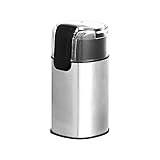
- Electric coffee bean grinder appliance for home use
- Can grind 30 grams/1 ounce of beans for drip coffee brewing in 10 seconds
- Grind coffee beans, herbs, spices, grains, nuts, and more
- Clear safety lid allows you to easily see the results in progress
- Heavy-duty stainless steel grind blade
3. Prepare your infuser.
- What “good” looks like: Your infuser basket or bag is clean and ready to hold the grounds.
- Common mistake: Using a dirty infuser. This will impart stale flavors.
- How to avoid: Wash thoroughly after each use.
4. Add grounds to the infuser.
- What “good” looks like: All the grounds are contained within the infuser.
- Common mistake: Overfilling the infuser. This can lead to grounds escaping.
- How to avoid: Leave a little space at the top.
5. Place the infuser into your brewing vessel.
- What “good” looks like: The infuser is sitting correctly in your pitcher or carafe.
- Common mistake: Not securing the infuser properly. It might sink or not drain evenly.
- How to avoid: Ensure it’s seated as designed by the manufacturer.
6. Add cold, filtered water.
- What “good” looks like: The water is cold (fridge temp or just cool) and you’ve added the correct amount based on your ratio.
- Common mistake: Using hot or warm water. This is for hot brewing, not cold brew.
- How to avoid: Double-check your water temperature.
7. Ensure all grounds are saturated.
- What “good” looks like: You can gently stir to make sure all the coffee grounds are wet.
- Common mistake: Leaving dry pockets of coffee. These won’t extract properly.
- How to avoid: A gentle stir after adding about half the water usually does the trick.
8. Cover and refrigerate.
- What “good” looks like: Your brewing vessel is covered to prevent absorbing fridge odors and is placed in the refrigerator.
- Common mistake: Leaving it uncovered. Your cold brew will taste like last night’s onions.
- How to avoid: Use a lid or plastic wrap.
9. Steep for 12-24 hours.
- What “good” looks like: The coffee has had adequate time to extract flavor at a cold temperature. 18 hours is a common sweet spot for many.
- Common mistake: Steeping too short or too long. Too short is weak; too long is bitter.
- How to avoid: Set a timer. Start with 18 hours and adjust for future batches.
10. Remove the infuser.
- What “good” looks like: The infuser basket or bag is carefully lifted out, leaving clear coffee behind.
- Common mistake: Squeezing the grounds. This releases bitter compounds.
- How to avoid: Let it drain naturally. Don’t press or squeeze.
11. Filter (optional, but recommended).
- What “good” looks like: Any fine sediment is removed, leaving a clean concentrate.
- Common mistake: Skipping this step if your infuser wasn’t perfect.
- How to avoid: Pour through a fine-mesh sieve lined with a coffee filter or cheesecloth.
12. Dilute and serve.
- What “good” looks like: You have a smooth, flavorful cold brew concentrate that you’ve diluted to your liking.
- Common mistake: Drinking the concentrate straight. It’s usually too strong.
- How to avoid: Dilute with water or milk, typically a 1:1 or 1:2 ratio of concentrate to liquid.
Common mistakes (and what happens if you ignore them)
| Mistake | What it causes | Fix |
|---|---|---|
| Using a fine grind | Muddy, bitter coffee; difficult to filter | Use a coarse grind (like sea salt). |
| Using tap water | Off-flavors; metallic or chemical notes | Use filtered or bottled water. |
| Not saturating all grounds | Weak spots; uneven extraction | Gently stir after adding some water to ensure full saturation. |
| Squeezing the infuser/grounds | Bitter, astringent taste | Let the grounds drain naturally; don’t press them. |
| Steeping for too short a time | Weak, watery coffee; lacks depth | Increase steeping time (aim for 12-24 hours). |
| Steeping for too long | Bitter, over-extracted, unpleasant taste | Decrease steeping time (start around 18 hours). |
| Leaving the brew uncovered | Absorbs fridge odors; stale taste | Always cover your brewing vessel. |
| Not cleaning the infuser | Stale, rancid flavors carried over | Wash thoroughly after every use. |
| Using old, stale coffee beans | Flat, lifeless flavor; lacks aroma | Use fresh beans or recently ground coffee. |
| Not diluting the concentrate | Overpowering, harsh flavor; too acidic | Dilute with water, milk, or ice to taste (usually 1:1 or 1:2). |
Decision rules (simple if/then)
- If your cold brew tastes weak, then increase the coffee-to-water ratio (use more coffee) or steep for longer because under-extraction is the cause.
- If your cold brew tastes bitter, then decrease the coffee-to-water ratio (use less coffee) or steep for a shorter time because over-extraction is the cause.
- If your cold brew has sediment, then use a coarser grind next time or filter it again through a fine-mesh sieve lined with a coffee filter because fine particles are escaping.
- If your cold brew tastes like plastic or chemicals, then check your water quality and use filtered water because tap water can introduce unwanted flavors.
- If your cold brew tastes stale, then ensure your brewing vessel and infuser are clean and that you covered it during steeping because odors can transfer easily.
- If your cold brew has a muddy texture, then your grind is likely too fine, or you squeezed the grounds; use a coarser grind and let it drain naturally next time.
- If you want a stronger coffee flavor, then reduce the amount of water you use for dilution because you’re starting with a concentrate.
- If you prefer a lighter, less intense coffee, then increase the amount of water or milk you use for dilution because you want to mellow out the concentrate.
- If your infuser basket seems to clog easily, then ensure your grind is coarse enough and avoid overfilling it because grounds need room to expand and steep evenly.
- If you’re unsure about the perfect steep time, then start with 18 hours and taste; adjust by 2-hour increments in either direction for your next batch because personal preference varies widely.
FAQ
How long does cold brew coffee last?
Your cold brew concentrate can last in the refrigerator for about 1-2 weeks. Store it in an airtight container to keep it fresh and prevent it from picking up any other fridge smells.
Can I use pre-ground coffee for cold brew?
Yes, you can. Just make sure it’s a coarse grind. If you’re using pre-ground coffee from the store, it might be a bit finer than ideal, but it can still work. Freshly ground is always better, though.
What’s the difference between cold brew concentrate and ready-to-drink cold brew?
Cold brew concentrate is a much stronger brew that needs to be diluted with water, milk, or ice before drinking. Ready-to-drink cold brew is already diluted to a drinkable strength.
Why is my cold brew so acidic?
Cold brew is naturally less acidic than hot brewed coffee because the cold water extracts fewer of the acidic compounds. If yours is still too acidic, it might be due to a too-fine grind or over-extraction.
How do I store my cold brew concentrate?
Store it in an airtight container, like a glass jar or bottle, in the refrigerator. This will keep it fresh and prevent it from absorbing odors from other food items.
What kind of coffee beans are best for cold brew?
Medium to dark roasts often work well for cold brew, as they tend to have lower acidity and richer, chocolatey or nutty flavors that come through nicely. However, lighter roasts can also produce interesting results if you enjoy brighter notes.
Do I need a special cold brew maker?
Not necessarily. While dedicated cold brew makers with infusers are convenient, you can adapt many existing brewers. A French press, a large jar with an infuser bag, or even a pitcher with a fine-mesh sieve can work.
How much caffeine is in cold brew?
Cold brew generally has more caffeine than hot brewed coffee because of the higher coffee-to-water ratio used in making the concentrate. However, the final caffeine content depends heavily on the ratio, steep time, and how much you dilute it.
What this page does NOT cover (and where to go next)
- Specific coffee bean origins and their impact on flavor profiles.
- Advanced techniques like Japanese-style iced coffee (flash chilling).
- Detailed comparisons of different types of coffee grinders.
- Commercial cold brew production methods.
- Recipes for cold brew-based coffee drinks beyond simple dilution.