
Unusual Stomach Sensations After Coffee? Let’s Investigate
Quick answer
- Coffee can cause stomach discomfort due to its acidity and caffeine content.
- Brewing methods, bean type, and personal sensitivity all play a role.
- Adjusting your coffee preparation or consumption habits often resolves the issue.
- Symptoms like heartburn, indigestion, or an upset stomach are common.
- Hydration and eating before coffee can help mitigate adverse effects.
- If symptoms persist or are severe, consult a healthcare professional.
What this problem usually is (and is not)
- This problem is usually related to how your body reacts to coffee’s natural compounds, like acids and caffeine.
- It is often a mild, temporary discomfort, not typically a sign of a severe underlying condition, though always consult a doctor if concerned.
- It is not usually caused by spoiled coffee, as coffee’s low moisture content makes it resistant to spoilage in the traditional sense.
- It is not necessarily a sign of a coffee allergy, which is very rare; sensitivities are much more common.
- It is not usually a problem with the coffee maker itself, unless it’s exceptionally dirty and adding off-flavors.
- It is not a permanent condition for most people; many find relief with simple adjustments.
Likely causes of weird stomach sensations from coffee (triage list)
- Acidity of the coffee: Darker roasts often have less perceived acidity than lighter roasts. Cold brew also significantly reduces acidity.
- To confirm: Try a low-acid coffee bean or cold brew and see if symptoms improve.
- Caffeine sensitivity: Caffeine can stimulate stomach acid production and bowel movements.
- To confirm: Switch to decaffeinated coffee or reduce your intake and observe your reaction.
- Drinking coffee on an empty stomach: Without food to buffer it, coffee’s acids can directly irritate the stomach lining.
- To confirm: Always have a meal or snack before or with your coffee.
- Type of coffee bean: Some beans, particularly those grown at high altitudes, can be more acidic. Robusta beans tend to have higher caffeine content than Arabica.
- To confirm: Experiment with different origins or 100% Arabica beans.
- Brewing method: Espresso and French press extract more oils and solids, which some find irritating. Pour-over or drip coffee with paper filters can remove some of these.
- To confirm: Try a different brewing method, such as a paper-filtered drip.
- Water quality: Hard water can sometimes interact with coffee compounds in ways that affect taste and potentially digestion for sensitive individuals.
- To confirm: Brew with filtered water and note any changes.
- Additives: Milk, sugar, artificial sweeteners, or flavorings can sometimes be the culprit, especially if you have lactose intolerance or other sensitivities.
- To confirm: Drink your coffee black for a few days to isolate the issue.
- Temperature: Very hot beverages can sometimes cause stomach upset for sensitive individuals.
- To confirm: Allow your coffee to cool slightly before drinking.
The brewing method can also play a role; for instance, a French press extracts more oils and solids, which some individuals find irritating. If you use one, consider trying a different method.

- Wash in warm, soapy water before first use and dry thoroughly
- Not for stovetop use
- Turn lid to close spout
- Easy-to-clean glass carafe
If caffeine sensitivity is a suspected cause, switching to decaffeinated coffee can significantly reduce stomach irritation. You can find a variety of decaf options to try.
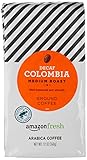
- Balanced, full-bodied medium roast with a smooth finish
- One 12-ounce bag of ground coffee
- Decaffeinated
- 100% Arabica coffee grown in Colombia
- Roasted and packed in the U.S.A.
Fix it step-by-step (brew workflow)
1. Start with quality, fresh beans:
- What to do: Purchase whole beans roasted within the last few weeks and grind them just before brewing.
- What “good” looks like: A pleasant aroma from the whole beans and a uniform grind.
- Common mistake: Using stale, pre-ground coffee, which can develop off-flavors and contribute to an unpleasant experience. Avoid by buying fresh and grinding yourself.
2. Choose a lower-acid bean or roast:
- What to do: Opt for darker roasts (e.g., French Roast, Espresso Roast) or beans specifically labeled as “low acid.”
- What “good” looks like: A smoother, less sharp taste in the brewed coffee.
- Common mistake: Assuming all coffee is the same. Lighter roasts and certain origins (e.g., East African) tend to be more acidic. Avoid by checking roast levels and bean origins.
3. Grind correctly for your brew method:
- What to do: Use a burr grinder for consistent particle size. A coarser grind generally leads to less extraction of bitter compounds.
- What “good” looks like: Evenly sized particles appropriate for your brewer (e.g., coarse for French press, medium for drip).
- Common mistake: Using a blade grinder, which creates uneven grounds and can lead to over-extraction of unwanted flavors. Avoid by investing in a burr grinder.
4. Use filtered water:
- What to do: Always use fresh, filtered water that’s free of odors or excessive minerals.
- What “good” looks like: Clean-tasting coffee that isn’t masked by tap water impurities.
- Common mistake: Using unfiltered tap water, which can contain chlorine or other elements that affect taste and potentially digestion. Avoid by using a water filter.
5. Maintain proper water temperature:
- What to do: Heat water to between 195-205°F (90-96°C). Too hot can over-extract; too cool can under-extract.
- What “good” looks like: A balanced extraction without bitterness or sourness.
- Common mistake: Using boiling water directly, which can scald the coffee grounds and extract harsh notes. Avoid by letting water cool for 30-60 seconds after boiling.
6. Consider cold brew:
- What to do: If acidity is a major concern, switch to cold brewing, which extracts significantly less acid.
- What “good” looks like: A very smooth, low-acid coffee concentrate.
- Common mistake: Not diluting cold brew concentrate sufficiently, which can still be very strong. Avoid by diluting to taste, usually 1:1 or 1:2 with water or milk.
7. Eat something beforehand:
- What to do: Consume a small meal or snack before or with your coffee.
- What “good” looks like: Your stomach feels comfortable and settled after drinking coffee.
- Common mistake: Drinking coffee on an empty stomach, which allows the acids and caffeine to hit your stomach directly. Avoid by pairing coffee with breakfast or a snack.
8. Reduce caffeine intake:
- What to do: If caffeine sensitivity is suspected, try half-caf or decaf options, or simply drink less coffee.
- What “good” looks like: Fewer jitters, less anxiety, and a calmer stomach.
- Common mistake: Ignoring caffeine’s effects and continuing to consume high amounts, leading to ongoing discomfort. Avoid by gradually reducing intake.
9. Hydrate adequately:
- What to do: Drink a glass of water before and after your coffee.
- What “good” looks like: Feeling well-hydrated and less prone to digestive upset.
- Common mistake: Relying on coffee as your primary fluid intake, which can contribute to dehydration for some. Avoid by making water your go-to beverage.
10. Clean your equipment regularly:
- What to do: Follow manufacturer instructions for daily and weekly cleaning of your coffee maker.
- What “good” looks like: No residue, mineral buildup, or off-smells from your machine.
- Common mistake: Neglecting cleaning, which can lead to stale coffee oils and mineral deposits affecting taste and potentially hygiene. Avoid by establishing a cleaning routine.
Prevent weird stomach sensations from coffee next time
- Clean your coffee maker regularly (daily rinse, weekly deep clean) and descale every 1-3 months, depending on water hardness.
- Use fresh, filtered water for brewing and consider a water filter if you have hard tap water.
- Store whole beans in an airtight container in a cool, dark place, and grind just before brewing.
- Experiment with darker roasts or low-acid coffee varieties to find what suits you best.
- Always eat a small meal or snack before or with your coffee.
- Choose a brewing method that uses a paper filter (e.g., drip, pour-over) to reduce oils and sediments.
- Consider reducing your caffeine intake or switching to decaf if sensitivity is an issue.
- Ensure your coffee maker’s electrical cord and plug are in good condition and not frayed.
- Avoid additives like excessive sugar or artificial sweeteners that might also cause digestive upset.
- Pay attention to your body’s signals and adjust your coffee habits accordingly.
Common mistakes (and what happens if you ignore them)
| Mistake | What it causes | Fix |
|---|---|---|
| Drinking coffee on an empty stomach | Increased stomach acid, heartburn, indigestion | Always eat a small meal or snack before or with coffee. |
| Using highly acidic coffee beans/roasts | Sour taste, acid reflux, stomach upset | Switch to darker roasts or low-acid varieties like cold brew. |
| Neglecting coffee maker cleaning | Buildup of old coffee oils, mineral deposits, bitter taste | Clean daily, deep clean weekly, descale every 1-3 months. |
| Using unfiltered tap water | Off-flavors, mineral interactions, potential stomach upset | Use filtered water for all brewing. |
| Consuming too much caffeine | Jitters, anxiety, increased stomach acid, diarrhea | Reduce serving size, switch to decaf/half-caf, or limit intake. |
| Brewing with incorrect water temperature | Under-extraction (sour) or over-extraction (bitter), both can cause discomfort | Heat water to 195-205°F (90-96°C). |
| Using stale or pre-ground coffee | Flat taste, off-flavors, potential for greater stomach irritation | Buy whole beans, grind fresh before brewing. |
| Adding excessive sugar/artificial sweeteners | Can cause digestive upset for some individuals, especially artificial sweeteners | Reduce or eliminate additives, or switch to natural alternatives if tolerated. |
| Not diluting cold brew concentrate | Very strong caffeine hit, intense flavor, potential for stomach irritation | Dilute cold brew concentrate with water or milk to taste (e.g., 1:1 or 1:2). |
| Ignoring personal sensitivities | Chronic discomfort, aversion to coffee | Pay attention to your body’s reactions and adjust brewing/consumption habits. |
Decision rules (simple if/then)
- If you experience heartburn after coffee, then try a darker roast or cold brew because they are generally less acidic.
- If you feel jittery or anxious after coffee, then reduce your caffeine intake or switch to decaf because you might be sensitive to caffeine.
- If your stomach feels upset when drinking coffee first thing in the morning, then eat a small meal before your coffee because food can buffer stomach acid.
- If your coffee tastes consistently bitter, then check your grind size and water temperature because over-extraction often causes bitterness.
- If your coffee has a strange aftertaste, then clean your coffee maker thoroughly because old oils and mineral buildup can affect flavor.
- If you suspect your water quality, then use filtered water for brewing because tap water can contain elements that affect taste and digestion.
- If you use a French press and experience stomach upset, then try a drip or pour-over method with a paper filter because it removes more sediment and oils.
- If milk or cream causes issues, then try drinking your coffee black or with a non-dairy alternative because you might have lactose intolerance or sensitivity.
- If you’re not sure why coffee makes your stomach feel weird, then try eliminating one variable at a time (e.g., caffeine, acidity, additives) because it helps pinpoint the cause.
- If symptoms are severe or persist despite adjustments, then consult a healthcare professional because there might be an underlying medical condition.
FAQ
Q: Can specific coffee beans cause more stomach upset?
A: Yes, certain beans, particularly those with higher acidity like some light roasts or certain single-origin coffees, can be more irritating for sensitive stomachs. Robusta beans also contain more caffeine than Arabica, which can contribute to discomfort.
Q: Is cold brew better for sensitive stomachs?
A: Many people find cold brew to be gentler on the stomach because the cold brewing process extracts significantly less acid compared to hot brewing. This results in a smoother, less acidic concentrate.
Q: Does adding milk or sugar help with stomach upset from coffee?
A: For some, milk can help buffer the acidity of coffee. However, if you’re lactose intolerant, milk might actually worsen stomach issues. Sugar doesn’t directly reduce acidity but can mask the taste; artificial sweeteners can sometimes cause digestive problems.
Q: How long should I wait after eating to drink coffee?
A: It’s often recommended to drink coffee with or immediately after a meal, rather than on an empty stomach. This provides a buffer for the coffee’s acids and caffeine, potentially reducing discomfort.
Q: Can old coffee cause stomach problems?
A: While stale coffee won’t typically “spoil” in a way that causes food poisoning, the oils can go rancid over time, leading to unpleasant flavors. These off-flavors might contribute to a general feeling of stomach upset for sensitive individuals.
Q: What’s the difference between decaf and regular coffee regarding stomach effects?
A: Decaf coffee has most of its caffeine removed, which can be beneficial for those sensitive to caffeine’s stimulating effects on stomach acid and bowel movements. However, decaf still contains some acids, so it might not eliminate all stomach discomfort for everyone.
What this page does NOT cover (and where to go next)
- Specific medical diagnoses for persistent digestive issues.
- Detailed reviews or comparisons of specific coffee brands or models.
- Advanced coffee brewing techniques beyond basic adjustments for stomach comfort.
- The chemical composition of coffee and its detailed effects on the human body.
- Where to buy specific low-acid coffee beans or cold brew makers.