
Understanding The Mechanics Of A Coffee Maker
Quick answer
- Most drip coffee makers work by heating water and letting gravity pull it through coffee grounds.
- This process extracts flavor and oils from the beans.
- The brewed coffee then drips into a carafe or mug.
- Key elements include water temperature, grind size, and coffee-to-water ratio.
- Simpler brewers like pour-overs follow similar principles but with manual control.
- Understanding these basics helps you brew a better cup.
For a reliable and easy-to-use option, consider a top-rated drip coffee maker like this one. It’s perfect for daily brewing.
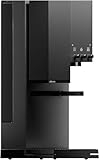
- 1. Three Levels of Automation for Any Skill Level: Choose from Autopilot, Copilot, or Free Solo mode. Autopilot handles the entire brewing process automatically. Copilot provides step-by-step guidance. Free Solo gives you full manual control. This coffee machine works for beginners and professional baristas alike.
- 2. Intuitive User Interface with Tactile Knobs and LED Matrix: The Studio features physical control knobs and a clear LED Matrix display. You can adjust grind size, water temperature, and flow rate in real time without navigating complicated touchscreen menus.
- 3. Full Customization via the xBloom App: Use the xBloom app to create, adjust, save, and share your favorite coffee recipes. Every brewing parameter can be fine-tuned and synced to the machine instantly. Your perfect cup is saved and repeatable.
- 4. Compostable xPod System for Minimal Waste and Maximum Flavor: Each xPod contains carefully selected whole beans and a built-in filter. Tap the recipe card, pour the beans into the grinder, place the pod into the dock, and press start. No capsules, no extra paper filters, no unnecessary waste.
- 5. What Is Included in the Box: The package includes the xBloom Studio, Omni Dripper 2 with Hyperflow Bottom, 10 paper filters, xPod Dock, Magnetic Dosing Cup, default recipe card, quick start guide, cleaning brush, universal power cord, and a 2-Year xbloom brand warranty. Everything you need is included—along with long-term peace of mind.
Key terms and definitions
- Drip Coffee Maker: An automatic machine that heats water and brews coffee by passing it through grounds.
- Carafe: The pot that collects the brewed coffee.
- Heating Element: The part of the machine that heats the water.
- Showerhead: Distributes hot water evenly over the coffee grounds.
- Filter Basket: Holds the coffee grounds and filter.
- Bloom: The initial release of CO2 gas from fresh coffee grounds when hot water first hits them.
- Extraction: The process of dissolving soluble compounds from coffee grounds into water.
- Grind Size: The coarseness or fineness of ground coffee beans.
- Brew Ratio: The proportion of coffee grounds to water used for brewing.
- Water Temperature: The temperature of the water used to brew coffee.
How it works
- It all starts with filling the reservoir with fresh, cold water.
- The machine then heats this water using an internal heating element.
- Once hot, the water is pushed up a tube, usually via a pump or the pressure from boiling.
- This hot water travels to the top of the brew basket.
- A showerhead or similar mechanism disperses the water over the coffee grounds.
- Gravity then pulls the water down through the grounds and filter.
- The brewed coffee drips through the filter into the waiting carafe below.
- Some machines have warming plates to keep the carafe warm.
- Others might have features like timers or auto-shutoff.
- The whole cycle repeats for each pot.
What affects the result
- Water Quality: Tap water can have minerals that affect taste. Filtered water is often best.
- Water Temperature: Too hot or too cold water leads to under or over-extraction. Aim for around 195-205°F.
- Coffee Bean Freshness: Stale beans won’t give you the vibrant flavors you want.
- Grind Size: Too fine a grind can clog the filter and lead to bitterness. Too coarse can result in weak coffee.
- Brew Ratio: The amount of coffee grounds to water. A common starting point is 1:15 to 1:18 (grams of coffee to grams of water).
- Filter Type: Paper filters remove more oils than metal or cloth filters, affecting body and flavor.
- Brew Time: How long the water is in contact with the grounds.
- Showerhead Design: How evenly the water is distributed over the grounds matters.
- Machine Cleanliness: Old coffee oils can make your brew taste rancid. Regular cleaning is key.
- Altitude: Water boils at a lower temperature at higher altitudes, which can impact brewing.
- Pouring Technique (for manual methods): Slow, controlled pours ensure even saturation.
- Pre-infusion/Bloom: Allowing grounds to wet and degas for 30 seconds before full brewing can improve taste.
Pros, cons, and when it matters
- Convenience: Drip machines are super easy to use. Just add water and grounds, hit a button. Great for busy mornings.
- Batch Brewing: You can make a whole pot at once. Perfect for families or offices.
- Cost-Effective: Many basic models are quite affordable.
- Consistency (with good beans): Once dialed in, you can get a repeatable cup.
- Simplicity: Not a lot of moving parts to break.
- Takes Up Counter Space: Even small ones need a dedicated spot.
- Limited Control: You can’t easily tweak every variable like temperature or flow rate.
- Warming Plate Issues: Can scorch coffee if left on too long.
- Plastic Components: Some cheaper machines use plastics that can affect taste or degrade.
- Environmental Impact: Disposable paper filters add up.
- Not Ideal for Single Servings: Unless you have a small machine, you’re making a whole pot.
- Taste Nuance: Might not highlight the subtle flavors of high-end, single-origin beans as much as manual methods.
Common misconceptions
- “Darker roast means more caffeine.” Nope. Lighter roasts often have slightly more caffeine by weight.
- “Any coffee grounds will do.” Not true. Grind size is crucial for proper extraction.
- “Boiling water is best.” Too hot! It can scorch the grounds, making your coffee bitter.
- “You need a fancy machine for good coffee.” A simple pour-over or French press can make amazing coffee with the right technique.
- “Coffee makers clean themselves.” They absolutely do not. Regular descaling and cleaning are essential.
- “Pre-ground coffee is just as good as fresh.” Pre-ground loses flavor and aroma much faster. Grind right before you brew.
- “The more coffee you use, the stronger it tastes.” Too much coffee can lead to over-extraction and a bitter, unpleasant taste.
- “Water temperature doesn’t really matter.” It’s one of the most critical factors for good extraction.
- “You can just use tap water.” Hard water or water with strong flavors will definitely impact your coffee’s taste.
- “Coffee makers are all the same.” They range from basic drip to sophisticated machines with precise controls.
If you’re looking for more control and a nuanced cup, a quality pour-over coffee maker can deliver amazing results without needing a fancy machine.

- Pour Over Coffee: Manual Pour Over Coffee Maker allows you to brew an excellent cup of Coffee in minutes
- Stainless steel: Includes a new and improved permanent, stainless steel mesh filter that helps extract your coffee's aromatic oils and subtle flavors instead of being absorbed by a paper filter
- Coffee Carafe: Made of durable, heat-resistant borosilicate glass with Cork Band detailing that is both functional and elegant; single wall
- Quick and Easy: Simply add coarse ground Coffee to filter, pour a small amount of water in a circular motion over ground Coffee until soaked then add the remaining water and let drip
- Servings: Pour Over Coffee Maker makes 8 cups of Coffee, 4 oz each; dishwasher safe
FAQ
How does a coffee maker heat the water?
Most use an electric heating element at the base of the machine. This element heats the water that’s been drawn from the reservoir, preparing it for the brewing process.
Why is the water temperature important for brewing?
Water temperature affects how well soluble compounds are extracted from the coffee grounds. Too cool, and you get weak, sour coffee. Too hot, and you can burn the grounds, leading to bitterness. The ideal range is generally 195-205°F.
What’s the deal with the “bloom” phase?
When hot water first hits fresh coffee grounds, they release trapped carbon dioxide gas. This “bloom” is a sign of freshness. Letting it happen for about 30 seconds before continuing the brew can lead to a more even extraction and better flavor.
Does the type of filter matter?
Yes, it does. Paper filters trap more oils, leading to a cleaner, brighter cup. Metal or cloth filters allow more oils to pass through, resulting in a richer, fuller-bodied coffee.
How often should I clean my coffee maker?
You should rinse the brew basket and carafe after each use. For deeper cleaning and descaling (removing mineral buildup), aim for at least once a month, or more often if you have hard water. Check your manual for specific instructions.
What is a good coffee-to-water ratio to start with?
A good starting point is often around 1:15 to 1:18. This means for every 1 gram of coffee, you’d use 15 to 18 grams of water. You can adjust this to your personal taste preference.
Can I use hot water from a kettle in my drip coffee maker?
No, you should always use cold, fresh water in the reservoir. The machine is designed to heat the water itself to the correct brewing temperature. Adding pre-heated water can mess up the brewing cycle.
What causes coffee to taste bitter?
Bitterness often comes from over-extraction. This can be caused by water that’s too hot, coffee grounds that are too fine, or brewing for too long. Dirty equipment can also contribute.
What this page does NOT cover (and where to go next)
- Specific cleaning procedures for all brands and models. (Check your user manual for detailed instructions).
- Advanced brewing techniques for espresso or cold brew. (Explore dedicated guides for those methods).
- The science behind coffee bean varietals and roasting profiles. (Look into coffee sourcing and roasting resources).
- How to troubleshoot specific error codes or malfunctions on your machine. (Consult your appliance’s support documentation).
- Detailed comparisons of specific coffee maker brands and models. (Read reviews and product comparisons).