
Understanding the Ingredients of a Mocha Coffee
Quick answer
- A mocha is essentially a chocolate-flavored latte.
- It starts with espresso, steamed milk, and chocolate syrup or powder.
- The chocolate element is key, distinguishing it from a regular latte.
- Sweetness can be adjusted with sugar or flavored syrups.
- Whipped cream is a common, though optional, topping.
- It’s a sweet treat, more dessert than pure coffee for some.
Key terms and definitions
- Espresso: A concentrated coffee brewed by forcing hot water under pressure through finely-ground coffee beans. It’s the base for most mochas.
- Steamed Milk: Milk heated and aerated with a steam wand, creating a smooth, velvety texture and a bit of foam. Essential for the latte component.
- Chocolate Syrup/Powder: The defining ingredient. Can be cocoa powder mixed with sugar or a pre-made chocolate syrup.
- Latte: An espresso-based drink made with steamed milk and a thin layer of milk foam.
- Barista: A person who prepares and serves espresso-based coffee drinks.
- Foam: The light, airy bubbles created when steaming milk.
- Garnish: A decorative addition, like whipped cream or chocolate shavings.
- Sweetener: Sugar, simple syrup, or other flavorings added to adjust the sweetness.
- Bittersweet Chocolate: Chocolate with a higher percentage of cocoa solids and less sugar.
- Milk Chocolate: Sweeter, creamier chocolate with a lower cocoa content.
Espresso is the foundation of a mocha. For the best flavor, consider using high-quality espresso beans like these.
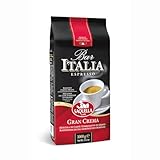
Saquella Bar Italia Gran Crema Espresso Coffee Beans, 1kg (2.2 lb) | Authentic Italian Roast | Full-Bodied, Velvety Crema & Rich Aroma | Perfect for Espresso, Cappuccino & Latte
- AUTHENTIC ITALIAN ESPRESSO EXPERIENCE: From Saquella Caffè, family coffee roasters in Italy since 1856 — blending heritage, passion, and quality in every bean.
- FULL-BODIED & CREAMY FLAVOR: A signature Arabica and Robusta blend that delivers a bold espresso with a thick, velvety crema and lingering chocolate notes.
- MEDIUM-DARK ROAST: Carefully roasted for a rich aroma and balanced taste — smooth yet intense, ideal for espresso, cappuccino, or macchiato.
- CONSISTENT QUALITY: Beans are slow-roasted and expertly blended to ensure uniform extraction and a true Italian café-style experience at home.
- MADE IN ITALY: Imported directly from Italy — Saquella Bar Italia Gran Crema is the choice of professional baristas and espresso lovers worldwide.
How it works
- The process begins with brewing a shot or two of espresso. This is the flavor foundation.
- While the espresso is brewing, milk is steamed. This heats the milk and creates that signature silky texture.
- The chocolate element is introduced next. This could be by stirring chocolate syrup into the hot espresso or mixing cocoa powder with a little hot water or milk to form a paste.
- The steamed milk is then poured into the espresso and chocolate mixture.
- A small amount of milk foam is often spooned on top.
- Sweeteners, if desired, are typically added with the chocolate or stirred into the espresso.
- For a classic mocha, whipped cream is often dolloped on top.
- Sometimes, chocolate shavings or a drizzle of chocolate syrup are used as a final touch.
- It’s all about layering those core components: coffee, chocolate, and milk.
What affects the result
- Quality of Espresso: A well-pulled espresso shot is crucial. Bitter or weak espresso will impact the whole drink.
- Type of Chocolate: Using good quality chocolate syrup or cocoa powder makes a big difference. Dark, milk, or even white chocolate all offer different flavor profiles.
- Chocolate-to-Coffee Ratio: Too much chocolate can overpower the coffee. Too little, and it’s just a latte with a hint of sweetness.
- Milk Type: Whole milk creates a richer, creamier mocha. Dairy alternatives like oat or almond milk will change the texture and flavor slightly.
- Steaming Technique: Properly steamed milk should be smooth and integrated, not watery or overly foamy.
- Sweetness Level: This is highly personal. Some like it very sweet, others prefer a more subtle chocolate note.
- Freshness of Beans: Fresher coffee beans generally yield a better espresso.
- Water Temperature: For brewing espresso, this is critical. For mixing chocolate powder, a little hot water helps it dissolve.
- Grind Size: The grind of the coffee beans directly affects espresso extraction. Too fine or too coarse can ruin the shot.
- Brewer Type: While espresso machines are standard, some might use strong coffee as a base, which changes the character.
- Added Flavors: Syrups like vanilla or caramel can be added to create variations on the mocha theme.
- Toppings: Whipped cream, chocolate shavings, or even a sprinkle of cinnamon can enhance the experience.
Pros, cons, and when it matters
- Pro: Deliciously Indulgent: It’s a treat that combines two beloved flavors – coffee and chocolate. Great for a pick-me-up or a dessert coffee.
- Con: Can Be High in Sugar: Many pre-made syrups and added sugars can turn a mocha into a calorie bomb. Watch out for that.
- Pro: Customizable: You can control the type of chocolate, sweetness, and milk. Easy to make it your own.
- Con: Can Mask Coffee Flavor: If you’re a true coffee purist, the chocolate can sometimes hide the nuances of the espresso.
- Pro: Great for Beginners: If you’re new to coffee or find straight espresso too intense, a mocha is a more approachable entry point.
- Con: Not Always “Coffee”: Some versions can lean so heavily on the chocolate and sugar that they feel more like a candy drink.
- Pro: Versatile: Can be served hot or iced. Both are fantastic on a warm day or a chilly morning.
- Con: Preparation Can Be Tricky: Getting the espresso right and steaming the milk perfectly takes practice.
- Pro: Satisfies Cravings: When you want something sweet and caffeinated, a mocha hits the spot.
- Con: Can Be Expensive: Especially if you’re buying from a coffee shop regularly. Making them at home saves cash.
- Pro: Comforting: The warmth and sweetness can be incredibly comforting, especially on a cold day.
- Con: Might Be Too Rich: For some palates, the combination of espresso, milk, and chocolate can be a bit too much.
Common misconceptions
- Myth: All mochas are super sweet. Nope. You can control the sweetness. A dark chocolate mocha with less sugar is far from overly sweet.
- Myth: A mocha is just chocolate milk with coffee. It’s more than that. The espresso base and steamed milk give it a distinct texture and coffee kick.
- Myth: You need a fancy espresso machine to make a good mocha. While ideal, you can get decent results with strong brewed coffee or a Moka pot, though it won’t be true espresso.
- Myth: White chocolate mochas are less caffeinated. Caffeine comes from the coffee, not the chocolate. The amount of espresso used determines the caffeine.
- Myth: Chocolate syrup is the only way to make a mocha. Cocoa powder, especially Dutch-processed, can create a richer, deeper chocolate flavor.
- Myth: It’s always served hot. Iced mochas are super popular and just as delicious.
- Myth: Whipped cream is mandatory. It’s a classic topping, but totally optional. Many prefer it without.
- Myth: A mocha is a type of coffee bean. It’s a drink preparation, not a bean variety.
- Myth: Adding chocolate makes coffee healthier. Not usually, especially with added sugars and syrups. It’s more of a treat.
FAQ
- What’s the difference between a mocha and a latte? A mocha has chocolate added, while a latte is just espresso and steamed milk.
- Can I make a mocha without espresso? Yes, you can use strong brewed coffee, but it won’t have the same intense flavor or crema.
- What kind of chocolate is best for a mocha? High-quality cocoa powder or a good chocolate syrup will give the best flavor. Dark chocolate offers a richer taste.
- How much caffeine is in a mocha? It depends on how many shots of espresso are used, usually one or two.
- Is a mocha healthy? Generally, it’s considered an indulgent drink due to sugar and fat content, especially from added syrups and whipped cream.
- Can I make a mocha vegan? Absolutely. Use plant-based milk (like oat or almond) and vegan chocolate syrup or cocoa powder.
- What’s a “white chocolate mocha”? It’s a mocha made with white chocolate syrup or powder instead of traditional dark or milk chocolate.
- How do I prevent my cocoa powder from clumping? Mix the cocoa powder with a small amount of hot water or milk first to create a smooth paste before adding it to the espresso.
What this page does NOT cover (and where to go next)
- Specific brand recommendations for coffee beans or chocolate. (Look for reviews on coffee blogs).
- Detailed recipes for homemade chocolate syrups. (Search for “DIY chocolate syrup recipes”).
- Advanced espresso extraction techniques. (Explore resources on espresso brewing and machine maintenance).
- Nutritional breakdowns of different mocha variations. (Consult a registered dietitian or health resources).
- The history of chocolate or coffee. (Dive into food history books or documentaries).