
Understanding Cramping Sensations From Coffee
Quick answer
- Coffee can sometimes cause abdominal cramping due to its effects on digestion and bowel motility.
- Caffeine stimulates the colon, potentially leading to increased contractions.
- Acidity in coffee can irritate the stomach lining for some individuals.
- Additives like milk, sugar, or artificial sweeteners might also contribute to discomfort.
- Drinking coffee on an empty stomach can exacerbate cramping for sensitive individuals.
- Hydration and coffee preparation methods can influence how your body reacts.
What this problem usually is (and is not)
- This problem usually involves mild to moderate abdominal discomfort, often described as cramping or a dull ache.
- It is often related to the digestive system’s response to coffee’s compounds.
- It is not typically a sign of a severe, acute medical emergency in most cases.
- It is not usually caused by spoiled coffee, unless other symptoms like nausea or vomiting are also present.
- It is not an indication that all coffee is inherently “bad” for everyone.
- It is not a symptom that should be ignored if it becomes severe, persistent, or accompanied by other concerning symptoms.
Likely causes (triage list)
- Caffeine’s Stimulant Effect: Caffeine is a known stimulant that can increase colonic contractions, leading to a quicker urge to use the restroom and sometimes cramping. To confirm, try switching to decaffeinated coffee for a few days and note any changes in symptoms.
- Coffee Acidity: Coffee is naturally acidic, which can irritate the stomach lining or trigger symptoms for those with sensitive stomachs or conditions like GERD. Observe if dark roasts (often less acidic) or cold brew (significantly less acidic) reduce your cramping.
- Additives and Mix-ins: Milk, cream, sugar, or artificial sweeteners can all contribute to digestive upset for various reasons (e.g., lactose intolerance, sensitivity to artificial ingredients). Try drinking black coffee for a period to see if the cramping subsides.
- Drinking on an Empty Stomach: Consuming coffee without food can intensify its effects on the digestive system, as there’s no buffer to absorb the acids or stimulate other digestive processes. Try having a small meal or snack before your coffee.
- Dehydration: Coffee is a mild diuretic. If you’re not adequately hydrated, coffee consumption might contribute to digestive issues, including cramping. Ensure you’re drinking enough water throughout the day, especially alongside your coffee.
- Individual Sensitivity: Some people are simply more sensitive to coffee’s compounds than others, possibly due to underlying digestive conditions or unique gut microbiomes. Keep a food diary to track coffee intake and symptom occurrence.
- Brew Strength: Very strong coffee can deliver a higher concentration of caffeine and acids, potentially increasing the likelihood of cramping. Try diluting your coffee or brewing a weaker batch.
To confirm if caffeine is the culprit, try switching to decaffeinated coffee for a few days and note any changes in symptoms. You can find a good decaf option here.
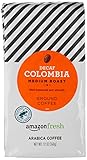
- Balanced, full-bodied medium roast with a smooth finish
- One 12-ounce bag of ground coffee
- Decaffeinated
- 100% Arabica coffee grown in Colombia
- Roasted and packed in the U.S.A.
Fix it step-by-step (brew workflow)
1. Start with Hydration: Before your first cup of coffee, drink a glass of water.
- What “good” looks like: Feeling refreshed and properly hydrated before introducing coffee.
- Common mistake: Reaching for coffee immediately upon waking without any water. Avoid this by keeping a glass of water by your bedside.
2. Eat Something Small: Have a light breakfast or snack before or with your coffee.
- What “good” looks like: A small amount of food in your stomach to buffer the coffee’s acidity.
- Common mistake: Drinking coffee on a completely empty stomach. Avoid this by pairing your coffee with toast, oatmeal, or fruit.
3. Choose Your Roast Wisely: Experiment with different roasts, especially medium or dark roasts.
- What “good” looks like: Darker roasts often have lower acidity, which might be gentler on your stomach.
- Common mistake: Sticking to light roasts if you experience cramping. Avoid this by trying a medium or dark roast bean.
4. Consider Cold Brew: Cold brewing extracts less acid from the coffee beans.
- What “good” looks like: A coffee concentrate that is significantly less acidic than hot brewed coffee.
- Common mistake: Assuming all coffee has the same acidity profile. Avoid this by making or buying cold brew.
5. Adjust Grind Size: A coarser grind can sometimes result in less extraction of acidic compounds.
- What “good” looks like: A grind size appropriate for your brewing method that doesn’t over-extract.
- Common mistake: Using a very fine grind for drip or French press, which can lead to over-extraction. Avoid this by checking your grinder settings and adjusting for a slightly coarser grind.
6. Check Water Quality: Use filtered water for brewing.
- What “good” looks like: Clean, neutral-tasting water that doesn’t introduce additional minerals or chemicals.
- Common mistake: Using unfiltered tap water that might contain impurities affecting coffee taste and potentially your digestion. Avoid this by investing in a water filter.
7. Brew Correctly: Follow recommended brew ratios and temperatures.
- What “good” looks like: A balanced extraction that isn’t too strong or too weak.
- Common mistake: Using too much coffee or water that is too hot, leading to over-extraction. Avoid this by using a scale for coffee grounds and a thermometer for water if possible.
8. Evaluate Additives: If you use milk, cream, or sweeteners, consider eliminating them temporarily.
- What “good” looks like: Drinking black coffee or using dairy alternatives that you know you tolerate well.
- Common mistake: Assuming all cramping is coffee-related when an additive might be the culprit. Avoid this by trying coffee black for a few days.
9. Monitor Caffeine Intake: Reduce your overall caffeine consumption.
- What “good” looks like: Feeling energized without the jitters or digestive upset.
- Common mistake: Consuming multiple strong cups of coffee throughout the day. Avoid this by limiting yourself to one or two cups or switching to decaf later in the day.
10. Listen to Your Body: Pay attention to how different coffees and preparation methods affect you.
- What “good” looks like: Understanding your personal tolerance and preferences.
- Common mistake: Ignoring recurring symptoms and continuing the same coffee habits. Avoid this by keeping a simple journal of your coffee intake and how you feel afterward.
Prevent why coffee makes me cramp next time
- Regular Cleaning and Descaling: Keep your coffee maker clean to prevent residue buildup that can affect taste and potentially contribute to digestive issues. Descale every 1-3 months, depending on water hardness.
- High-Quality Water: Always use filtered water for brewing to ensure a clean taste and reduce potential irritants. Store water in a sealed container.
- Correct Ratio and Grind: Use the recommended coffee-to-water ratio (typically 1:15 to 1:18) and a grind size appropriate for your brewer to avoid over-extraction.
- Proper Filter Use: Ensure your filter is correctly seated and suitable for your brewer to prevent grounds from entering your cup.
- Basic Safety Checks: Regularly inspect your coffee maker’s cord and heating elements for any damage.
- Stay Hydrated: Drink plenty of water throughout the day, especially when consuming coffee, to counteract its diuretic effects.
- Eat Before Coffee: Always have a small amount of food in your stomach before or with your coffee.
- Experiment with Roasts and Brew Methods: Explore medium/dark roasts or cold brew for potentially lower acidity.
- Limit Additives: Be mindful of milk, sugar, and artificial sweeteners if you suspect they contribute to your discomfort.
Common mistakes (and what happens if you ignore them)
| Mistake | What it causes | Fix |
|---|---|---|
| Drinking coffee on an empty stomach | Increased stomach irritation, heightened caffeine effect, more severe cramping. | Always eat a small snack or breakfast before your first cup. |
| Using very fine grind for a drip or French press | Over-extraction of bitter compounds and acids, potentially worsening cramping. | Adjust your grinder to a coarser setting for your specific brew method. |
| Ignoring water quality | Off-flavors, potential introduction of impurities, scale buildup in machine. | Use filtered water for all coffee brewing. |
| Consuming excessive caffeine | Jitters, anxiety, digestive upset, including severe cramping and diarrhea. | Limit daily coffee intake; consider switching to decaf after one or two cups. |
| Using too much coffee for the water ratio | Overly strong coffee, increased acidity and caffeine concentration, more likely to cause cramping. | Use a kitchen scale to measure coffee grounds accurately (e.g., 1 part coffee to 15-18 parts water). |
| Not cleaning your coffee maker regularly | Buildup of oils and mineral deposits, affecting taste and potentially fostering bacteria. | Clean your coffee maker components weekly and descale monthly. |
| Drinking coffee too hot | Can irritate the esophagus and stomach, potentially exacerbating discomfort. | Let your coffee cool slightly before drinking, or opt for iced coffee. |
| Adding excessive sugar or artificial sweeteners | Can cause digestive upset, bloating, or worsen existing sensitivities. | Gradually reduce sugar/sweetener, or try natural alternatives like a tiny pinch of cinnamon. |
| Not considering coffee roast or brew method | Sticking to high-acid coffees, leading to persistent digestive issues. | Experiment with darker roasts or cold brew, which are typically less acidic. |
| Not identifying lactose intolerance with milk/cream | Bloating, gas, and cramping after coffee with dairy. | Switch to lactose-free milk or plant-based alternatives (almond, oat, soy). |
Decision rules (simple if/then)
- If you experience cramping shortly after your first morning coffee then try eating a small breakfast beforehand because an empty stomach can intensify coffee’s effects.
- If your cramps are accompanied by an immediate urge to use the restroom then consider reducing your caffeine intake because caffeine stimulates bowel movements.
- If cramping occurs only with hot coffee, but not cold brew then switch to cold brew because cold brew is significantly less acidic.
- If adding milk or cream seems to worsen your cramping then try a lactose-free or plant-based milk alternative because you might be lactose intolerant.
- If your coffee tastes bitter or overly strong, and you get cramps then adjust your grind size to be coarser or reduce the amount of coffee used because over-extraction can lead to more acidity and stronger effects.
- If you’re not drinking much water throughout the day and experience cramping then increase your daily water intake because coffee can be dehydrating, and dehydration can contribute to digestive issues.
- If switching to decaf coffee alleviates your cramping then caffeine is likely the primary trigger because decaf coffee has much lower caffeine content.
- If cramping persists despite trying various adjustments then consult a healthcare professional because there might be an underlying digestive condition.
- If your coffee maker hasn’t been cleaned or descaled recently and you have cramps then clean and descale your machine thoroughly because mineral buildup can affect coffee quality and taste.
- If you use artificial sweeteners in your coffee and experience cramping then eliminate or reduce artificial sweeteners because they can cause digestive upset for some individuals.
FAQ
Q: Why does coffee make my stomach cramp even if I drink it every day?
A: Even with daily consumption, your body might still react to coffee’s compounds. Factors like stress, diet changes, or even the specific coffee bean or brew method can influence how your stomach responds on any given day.
Q: Does the type of coffee bean affect cramping?
A: Yes, it can. Different beans and roasts have varying acidity levels. Darker roasts tend to be less acidic than lighter roasts, and some people find certain single-origin beans gentler on their stomach.
Q: Can adding sugar or artificial sweeteners cause cramping with coffee?
A: Absolutely. Excessive sugar can cause digestive upset for some, and many artificial sweeteners are known to cause bloating, gas, and cramping in sensitive individuals.
Q: Is it possible to develop a coffee sensitivity over time?
A: Yes, it is possible. Your body’s tolerance can change due to age, diet, medication, or developing underlying digestive conditions. What was once fine might start causing discomfort.
Q: Will drinking decaf coffee help with cramping?
A: Often, yes. If caffeine is the primary trigger for your cramps due to its stimulant effect on the colon, switching to decaf can significantly reduce or eliminate the problem.
Q: Should I stop drinking coffee if it causes cramping?
A: Not necessarily. First, try the adjustments mentioned, like eating beforehand, changing your brew method, or reducing intake. If severe or persistent, consulting a doctor is advisable.
What this page does NOT cover (and where to go next)
- Specific medical diagnoses for chronic digestive conditions.
- Detailed dietary plans for managing irritable bowel syndrome (IBS) or other gut sensitivities.
- Advanced coffee brewing techniques for competitive baristas.
- In-depth reviews or comparisons of specific coffee maker brands and models.
- The chemical composition of coffee beyond basic acidity and caffeine.