

Understanding Coffee Maker Amperage Requirements
Quick answer
- Most standard drip coffee makers pull between 5 to 10 amps.
- Espresso machines and high-end brewers can draw more, sometimes 12 to 15 amps.
- Always check the appliance’s label or manual for exact amperage.
- Matching amperage to your outlet and circuit breaker is key for safety.
- Overloading a circuit can trip breakers or cause hazards.
- Know your home’s electrical capacity before plugging in big machines.
Key terms and definitions
- Amperage (Amps): A measure of electrical current flow. Think of it as how much “juice” the appliance needs.
- Voltage (Volts): The electrical “pressure” pushing the current. In the US, this is typically 120V for home appliances.
- Wattage (Watts): The total power an appliance uses (Volts x Amps). This tells you the energy consumption.
- Circuit Breaker: A safety device that automatically shuts off power if too much current flows, preventing overheating and fires.
- Outlet/Receptacle: The socket on your wall where you plug in appliances.
- Dedicated Circuit: An electrical circuit that serves only one appliance, often for high-draw items like refrigerators or microwaves.
- Extension Cord: A flexible cable used to extend the reach of an electrical outlet. Use with caution, especially for high-draw devices.
- Appliance Label: A sticker on the device listing its electrical specifications.
How it works
- Coffee makers use electricity to heat water and power a pump or heating element.
- The heating element needs a significant amount of power to bring water to brewing temperature quickly.
- This power draw is measured in Amps.
- A higher amperage means the coffee maker needs more electrical current to operate.
- The circuit breaker in your home’s electrical panel is rated for a maximum amperage (e.g., 15 or 20 amps).
- When you plug in a coffee maker, it draws current from that circuit.
- If the total amperage drawn by all devices on a circuit exceeds the breaker’s rating, it trips.
- This prevents wires from overheating and potentially causing a fire.
- Knowing how many amps your coffee maker needs helps you avoid overloading your home’s electrical system.
What affects the result
- Coffee Maker Type: Drip machines are usually moderate. Espresso machines with powerful pumps and steam wands draw more. High-end pour-over devices with precise temperature control might also have higher needs.
- Heating Element Size: A bigger, faster heating element needs more amps to get the water hot.
- Pump Strength: For espresso or some fancy drip brewers, a stronger pump to force water through the grounds requires more power.
- Built-in Grinder: If your coffee maker has an integrated grinder, that motor adds to the total amperage draw when it’s running.
- Warming Plate: Some drip machines have a warming plate to keep coffee hot. This continuous draw adds to the overall power consumption.
- Voltage Fluctuations: While not directly an amperage issue, unstable voltage can affect how efficiently an appliance runs, though most modern devices handle minor fluctuations.
- Circuit Load: What else is plugged into the same circuit? A toaster oven and a coffee maker on the same 15-amp circuit? That’s probably too much.
- Cord Condition: Damaged or undersized extension cords can restrict current flow and become a hazard, even if the appliance itself isn’t drawing excessive amps.
- Appliance Age/Condition: Older appliances might be less efficient, though amperage requirements are usually set by design.
- Brewing Cycle: The peak amperage draw might occur during the initial heating phase.
- Water Temperature: Starting with colder water means the heating element works harder, potentially drawing more power for longer.
- Brew Volume: Making a full pot versus a single cup might slightly alter the heating duration, but the peak draw is usually similar.
Pros, cons, and when it matters
- Pro: Safety First. Knowing amperage prevents electrical hazards. It’s the most important reason.
- Con: Can be confusing. People often confuse amps, volts, and watts. It’s not always obvious on the appliance.
- Pro: Avoids nuisance tripping. No one likes a breaker tripping mid-brew. Knowing the amps avoids this.
- Con: Might limit choices. If you have older wiring or a heavily loaded circuit, you might need to stick to lower-amp brewers.
- Pro: Essential for high-end machines. Espresso machines, powerful grinders, or commercial-style brewers often need dedicated circuits or careful planning.
- Con: Overthinking for simple machines. For a basic $20 drip coffee maker, it’s usually not a big concern unless your wiring is suspect.
- Pro: Helps with planning renovations. If you’re upgrading your kitchen, understanding appliance needs informs electrical work.
- Con: Can lead to buying the wrong extension cord. Using a thin, cheap cord for a high-amp appliance is a recipe for disaster.
- Pro: Crucial for RVs or boats. Limited power sources mean you must know your appliance’s draw.
- Con: Not the sole factor for performance. Amperage is about power delivery, not necessarily brew quality. A high-amp machine isn’t automatically better.
- Pro: Peace of mind. Knowing your electrical setup can handle your coffee maker is a good feeling.
- Con: Requires looking at labels. You actually have to find that small sticker on the back or bottom.
Common misconceptions
- “More amps means better coffee.” Nope. Amperage is about power, not quality. A cheap machine could draw a lot, and a great one might draw less.
- “All coffee makers are the same.” Far from it. Drip, espresso, cold brew towers – they all have different power needs.
- “My outlet can handle anything.” That’s a dangerous assumption. Outlets are connected to circuits with limits.
- “Extension cords are all interchangeable.” Big mistake. Use the right gauge cord for the amperage. A thin cord is a fire hazard for high-draw items.
- “If it fits, it works.” Just because the plug goes in doesn’t mean the circuit can handle the load.
- “Amps and watts are the same thing.” They’re related, but different. Watts = Volts x Amps. Watts tell you total power consumption.
- “I can just plug it in anywhere.” Not always. High-amperage appliances might need dedicated circuits, especially in older homes.
- “Breakers are just there to annoy me.” They’re crucial safety devices. If yours trips, pay attention.
- “My coffee maker draws amps constantly.” Usually, the highest draw is during the heating phase. Once at temperature, it might cycle or draw less.
- “The manual is just for show.” The manual and appliance label are your best friends for specs.
FAQ
How many amps does a typical drip coffee maker use?
Most standard 12-cup drip coffee makers pull somewhere between 5 to 10 amps. It varies by brand and model, but this is a good general range.
For a reliable option, consider this popular drip coffee maker, which typically operates within the 5-10 amp range mentioned.
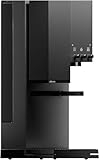
xBloom Studio Coffee Machine – Drip Coffee Maker with Built-in Grinder and Scale, 3 Automation Levels, App Connected Pour Over Coffee Maker for Home and Office, Midnight Black
- 1. Three Levels of Automation for Any Skill Level: Choose from Autopilot, Copilot, or Free Solo mode. Autopilot handles the entire brewing process automatically. Copilot provides step-by-step guidance. Free Solo gives you full manual control. This coffee machine works for beginners and professional baristas alike.
- 2. Intuitive User Interface with Tactile Knobs and LED Matrix: The Studio features physical control knobs and a clear LED Matrix display. You can adjust grind size, water temperature, and flow rate in real time without navigating complicated touchscreen menus.
- 3. Full Customization via the xBloom App: Use the xBloom app to create, adjust, save, and share your favorite coffee recipes. Every brewing parameter can be fine-tuned and synced to the machine instantly. Your perfect cup is saved and repeatable.
- 4. Compostable xPod System for Minimal Waste and Maximum Flavor: Each xPod contains carefully selected whole beans and a built-in filter. Tap the recipe card, pour the beans into the grinder, place the pod into the dock, and press start. No capsules, no extra paper filters, no unnecessary waste.
- 5. What Is Included in the Box: The package includes the xBloom Studio, Omni Dripper 2 with Hyperflow Bottom, 10 paper filters, xPod Dock, Magnetic Dosing Cup, default recipe card, quick start guide, cleaning brush, and universal power cord. Everything you need is included.
Can I plug my coffee maker into an extension cord?
Yes, but use a heavy-duty extension cord rated for at least the amperage your coffee maker requires. Avoid using thin, light-duty cords, as they can overheat.
What happens if my coffee maker draws too many amps?
If the total amperage on a circuit exceeds the rating of the circuit breaker, the breaker will trip, cutting off power to prevent overheating and potential fire hazards Learn more in our safety and materials guide.
Do espresso machines use more amps than drip coffee makers?
Generally, yes. Espresso machines often have more powerful pumps and steam wands that require more electricity, sometimes drawing 12 to 15 amps or more.
Where can I find the amperage information for my coffee maker?
Look for a label on the back or bottom of the appliance. It will list the voltage, wattage, and/or amperage. Your owner’s manual is also a good source.
To easily find the amperage for your specific model, check the appliance label or consult a comprehensive guide on coffee maker amperage requirements.

SYBO 12 Cup Coffee Maker Commercial, Pour Over Coffee Maker Brewer, Industrial Stainless Steel Cafetera with 2 Warmers
- Package Includes: Coffee maker machine only (no glass carafe included). For customers who prefer a model with glass carafes, SYBO also offers SF-CB-2GA as an optional configuration.
- Certified for Commercial Safety: Fully ETL, CE, RoHS, and Intertek certified—this machine meets strict North American and EU commercial safety standards. Unlike uncertified alternatives, ours gives you full peace of mind in restaurants, hotels, and offices.
- Fast Brewing for Commercial Use: Designed for high-traffic environments, this fast drip coffee maker delivers a full pot of fresh coffee in less than 10 minutes—perfect for keeping up with busy mornings and peak service hours.
- Dual Warmers for Coffee Maker: Two warming plates let you brew a new pot while keeping the last one hot. Ideal for uninterrupted service—no waiting, no cold coffee. Smart indicator lights make operation simple and intuitive.
- Consistent Flavor with Multi-Stream Head: A precision showerhead distributes water evenly over coffee grounds for rich, balanced flavor every time. Combined with a flat-bottom filter basket, it ensures optimal saturation and extraction.
Should I worry about amperage if I only make one cup at a time?
Even single-serve brewers can have significant heating elements. It’s always best to check the label, but smaller brewers tend to draw less than full-size ones.
What’s the difference between amps and watts for my coffee maker?
Amps measure the flow of electricity, while watts measure the total power used. Watts = Volts x Amps. Both are important, but amps are critical for understanding circuit load.
Is it okay to have a coffee maker and a toaster on the same circuit?
It depends on the circuit breaker rating and the specific wattage of each appliance. A 15-amp circuit might struggle with both running simultaneously. Check the specs and test carefully.
What if my coffee maker’s amperage is higher than my outlet’s rating?
An individual outlet doesn’t have an “amp rating” in that sense; it’s part of a circuit. If the appliance’s amperage exceeds what the circuit can safely handle, you’ll trip the breaker.
What this page does NOT cover (and where to go next)
- Specific amperage ratings for every single coffee maker model. (Check manufacturer websites or manuals.)
- How to rewire your home’s electrical system. (Consult a licensed electrician.)
- Detailed comparisons of coffee maker brewing technologies. (Look for brewing guides.)
- Advanced troubleshooting for electrical issues beyond simple circuit loading. (Call a professional.)
- The impact of voltage on coffee brewing temperature. (Explore water temperature guides.)