
Traditional Vietnamese Egg Coffee Recipe
Quick answer
- Use fresh, good-quality egg yolks.
- Whip the yolks and condensed milk until thick and creamy.
- Brew strong, dark coffee, ideally Robusta.
- Pour hot coffee over the egg yolk mixture.
- Serve immediately for the best texture and flavor.
- It’s a dessert coffee, so expect richness.
Who this is for
- Coffee lovers looking for something truly unique.
- Anyone wanting to explore a classic Vietnamese treat.
- Home baristas ready to try a decadent, dessert-like coffee.
What to check first
Brewer type and filter type
This recipe calls for a strong, concentrated coffee. A traditional Vietnamese coffee filter (phin) is ideal. If you don’t have one, a Moka pot or even a very strongly brewed French press can work. Paper filters might let too much sediment through for the authentic texture.
This recipe calls for a strong, concentrated coffee, and a traditional Vietnamese coffee filter (phin) is ideal for achieving that authentic texture.

- This Vietnamese Coffee Filter is made in Vietnam out of HIGH QUALITY stainless steel
- The Ca Phe Phin is 8 oz. Enjoy with traditional ground coffee such as by Trung Nguyen
- The GRAVITY INSERT on this Vietnamese Coffee Filter is easier than the screw down type
- This Viet filter comes with a LIFETIME WARRANTY and is DISHWASHER SAFE. Satisfaction guaranteed!
- Slow dripper brews a perfect hot or iced coffee (cafe sua da) with this Vietnamese Coffee Filter
Water quality and temperature
Use filtered water. Bad water makes bad coffee, plain and simple. For brewing, aim for water just off the boil, around 200-205°F. Too hot can scorch the coffee, too cool and you won’t get a good extraction.
Grind size and coffee freshness
A medium-fine to fine grind is usually best for phin filters and Moka pots. Freshly roasted beans make a huge difference. Grind just before you brew. Stale coffee tastes flat, and that’s a sin.
Coffee-to-water ratio
You want a strong brew. For a single serving using a phin, start with about 2-3 tablespoons of coffee grounds. The exact amount depends on your filter size and preference. It’s a bit of an art.
Cleanliness/descale status
Make sure your brewing equipment is clean. Any old coffee residue will mess with the flavor. If you use a machine, descale it regularly. A clean brewer is a happy brewer.
Step-by-step (brew workflow)
1. Gather your ingredients: You’ll need egg yolks, sweetened condensed milk, strong dark coffee (Robusta is classic), and a bit of patience.
- What “good” looks like: Everything ready to go. No scrambling mid-brew.
- Common mistake: Forgetting an ingredient. Double-check before you start.
You’ll need egg yolks, sweetened condensed milk, and strong dark coffee; Robusta beans are classic for their bold flavor.
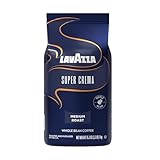
- SUPER CREMA: A 2.2 lb whole bean coffee bag ideal for espresso preparation
- INTENSITY AND ROAST: This full-bodied medium roast offers a bold and creamy finish
- BLEND: Made from Arabica and Robusta beans, this naturally caffeinated blend is sourced from 15 coffee-growing countries around the world
- PREPARATION: Ideal for espresso preparation.
- BREWING GUIDE FOR SINGLE ESPRESSO: 0.28 oz of ground espresso delivers a 1 oz espresso shot
2. Prepare the egg yolk mixture: Separate 2-3 fresh egg yolks into a bowl. Add about 2-3 tablespoons of sweetened condensed milk.
- What “good” looks like: Clean separation of yolks, no shell bits.
- Common mistake: Getting any yolk into your egg white whites (if you’re saving them). Keep them separate.
3. Whip the mixture: Use a whisk or an electric mixer to whip the egg yolks and condensed milk. Keep going until it’s thick, pale yellow, and forms ribbons when you lift the whisk. This takes a few minutes.
- What “good” looks like: A creamy, frothy, mousse-like consistency. It should hold its shape somewhat.
- Common mistake: Not whipping long enough. This leads to a more liquidy, less decadent topping.
4. Brew the coffee: If using a phin filter, place it over your serving glass. Add your coffee grounds and gently tamp them down (don’t pack too hard).
- What “good” looks like: The grounds are evenly distributed, ready for water.
- Common mistake: Packing the grounds too tightly. This chokes the flow and leads to weak coffee.
5. Bloom the coffee: Pour just a little hot water over the grounds to wet them. Let it sit for about 30 seconds. This is called blooming.
- What “good” looks like: The grounds puff up slightly.
- Common mistake: Skipping the bloom. You miss out on releasing CO2 for better flavor.
6. Brew the coffee (continued): Fill the phin filter with hot water, almost to the top. Place the lid on. The coffee will drip slowly.
- What “good” looks like: A slow, steady drip. It should take a few minutes for a full cup.
- Common mistake: Water flowing too fast. This means your grind is too coarse or you didn’t tamp enough.
7. Pour the coffee: Once your coffee is brewed, remove the phin filter.
- What “good” looks like: A concentrated, dark coffee.
- Common mistake: Letting the phin drip completely dry, which can lead to bitter flavors.
8. Combine and serve: Pour the hot, strong coffee directly over the whipped egg yolk mixture in your serving glass.
- What “good” looks like: The coffee mixes with the foam, creating layers.
- Common mistake: Not pouring hot coffee. The heat helps meld the flavors and textures.
9. Stir gently (optional): Some people stir gently to incorporate the coffee, others prefer to sip through the layers.
- What “good” looks like: A beautiful, creamy top.
- Common mistake: Over-stirring, which can break down the foam too much.
10. Enjoy immediately: This coffee is best served hot and fresh.
- What “good” looks like: Pure, rich, coffee bliss.
- Common mistake: Letting it sit too long. The texture changes as it cools.
Common mistakes (and what happens if you ignore them)
| Mistake | What it causes | Fix |
|---|---|---|
| Using stale coffee beans | Flat, bitter, or weak coffee flavor | Use freshly roasted beans and grind right before brewing. |
| Incorrect grind size | Coffee too weak (too coarse) or too bitter (too fine) | Adjust grind to match your brewing method (phin, Moka pot, etc.). |
| Water temperature too high | Scorched coffee, bitter taste | Let water sit for 30-60 seconds after boiling (around 200-205°F). |
| Not whipping egg mixture long enough | Runny topping, eggy taste, not creamy | Whip until thick, pale, and forms ribbons. Takes patience. |
| Using old or poor-quality eggs | Off-flavors, less rich texture | Use the freshest eggs you can find. |
| Over-packing coffee grounds in phin | Slow drip, weak coffee, potential bitterness | Tamp lightly; water should flow steadily, not pour. |
| Not blooming coffee grounds | Less developed flavor, potentially bitter | Let grounds wet and sit for 30 seconds before full pour. |
| Serving lukewarm or cold | Texture becomes less appealing, flavor muted | Serve immediately after brewing and combining. |
| Using filtered water with bad taste | Contaminates coffee flavor | Use good-tasting filtered water. |
| Not cleaning brewing equipment | Lingering stale coffee flavors | Wash all parts of your brewer thoroughly after each use. |
Decision rules (simple if/then)
- If the egg mixture is too thin, then whip it longer because it needs to be thick and frothy.
- If the coffee drips too fast from the phin, then check your grind size and tamping because it’s likely too coarse.
- If the coffee tastes bitter, then check your water temperature and grind size because they might be too hot or too fine.
- If the coffee is weak, then check your coffee-to-water ratio and grind because you might need more coffee or a finer grind.
- If the egg topping tastes “eggy,” then ensure you used fresh yolks and whipped them sufficiently to cook out the raw taste.
- If you don’t have a phin, then consider a Moka pot or French press for a strong brew because they can approximate the intensity needed.
- If the condensed milk is too thick, then a tiny splash of warm water might help loosen it for whipping, but be careful not to add too much.
- If the final drink is too sweet, then next time use slightly less condensed milk in the yolk mixture.
- If you’re sensitive to caffeine, then use a decaf dark roast if available, though it might alter the classic flavor profile.
- If you want a richer texture, then consider adding an extra yolk for a more decadent topping.
- If you want a less intense sweetness, then pair it with a very strong, almost bitter coffee to balance.
FAQ
What kind of coffee should I use for Vietnamese egg coffee?
Traditionally, dark roasted Robusta beans are used because they provide a strong, bold flavor that stands up to the rich egg topping. However, a dark roast Arabica can also work if you prefer.
Can I make Vietnamese egg coffee without a phin filter?
Yes, you can. A Moka pot or a very strongly brewed French press can create a concentrated coffee suitable for this recipe. Just ensure your brew is strong.
How do I get the egg yolk mixture to be thick and creamy?
Whipping is key. You need to whisk the egg yolks and condensed milk for several minutes, either by hand or with an electric mixer, until it becomes pale yellow, thick, and forms ribbons when lifted.
Is Vietnamese egg coffee healthy?
It’s definitely a decadent treat, more like a dessert than a typical morning coffee. It’s high in fat and sugar due to the egg yolks and condensed milk, so enjoy it in moderation.
Can I use pasteurized eggs?
Using pasteurized egg products can reduce the risk of foodborne illness if you’re concerned. The whipping process also helps to “cook” the egg yolks to some extent.
What if I don’t like condensed milk?
This recipe relies heavily on condensed milk for sweetness and texture. If you absolutely can’t use it, you’d essentially be making a different drink, perhaps a coffee with a whipped custard topping, but it wouldn’t be traditional Vietnamese egg coffee.
How do I store leftover egg yolk mixture?
It’s best made fresh. If you have leftovers, store them in an airtight container in the refrigerator for up to 24 hours, but the texture might change. Re-whip if needed before serving.
Can I make this dairy-free?
You’d need to find a dairy-free condensed milk alternative and use a non-dairy creamer for the coffee itself. The texture and flavor will be different, but it’s possible to experiment.
What this page does NOT cover (and where to go next)
- Detailed history of Cà phê trứng (Vietnamese egg coffee).
- Recipes for using leftover egg whites.
- Comparison of different Vietnamese coffee bean origins.
- Advanced techniques for advanced latte art on egg coffee.
- Commercial-scale production of egg coffee.