
Tips and Tricks for Making Your Coffee Extra Creamy
Quick answer
- Choose a darker roast coffee for a naturally richer, creamier body.
- Use fresh, whole coffee beans and grind them just before brewing.
- Employ a brewing method that allows for more coffee oils and fines, like French press or espresso.
- Optimize your coffee-to-water ratio, aiming for a stronger, more concentrated brew.
- Consider adding dairy or non-dairy creamers, but also explore frothing techniques.
- Ensure your water is hot enough (around 200°F) to properly extract coffee solids.
- Experiment with adding a pinch of salt to reduce bitterness and enhance perceived creaminess.
For a naturally richer, creamier body, start with a good quality dark roast coffee. We recommend this dark roast coffee bean for its robust flavor and satisfying mouthfeel.
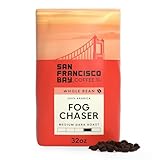
- Our iconic Fog Chaser is a blend of dark and medium roasted beans which results in a enjoyable medium dark roast coffee. It's a great combination of flavor, balance and smoothness that will chase away even the thickest morning fog.
- For finest taste, store in a cool, dark place and grind beans just berfore brewing
- QUALITY COFFEE: San Francisco Bay Coffee uses only 100% arabica coffee and certified Kosher coffee beans. Hand picked and grown in high altitude. We're so confident you'll love it, we back it with a satisfaction guarantee.
- SUSTAINABLY AND ECO- FARMED COFFEE: We offer a wide selection of sustainably grown, sourced, and packaged coffee from whole bean to ground, flavored to decaf, and much more.
- SF BAY COFFEE is a family owned, American made company with a rich tradition. Our reputation reflects on us as a family so if you're ever not happy with your purchase, call us and we'll make it right.
Who this is for
- Coffee lovers who find their homemade brew thin or watery.
- Individuals seeking to replicate the rich, full-bodied experience of a cafe latte at home.
- Anyone curious about how to make coffee creamier without relying solely on added ingredients.
What to check first
Here’s what to look at before you even start brewing for a creamier cup.
Brewer type and filter type
Different brewers extract coffee in different ways, impacting the final body. For example, a French press uses a mesh filter, allowing more coffee oils and fine particles into your cup, which contributes to a fuller, creamier mouthfeel. In contrast, a drip coffee maker with a paper filter will produce a cleaner, lighter-bodied coffee by trapping these oils and fines. Pour-over methods with thick paper filters also lean towards a cleaner cup. If you’re using an espresso machine, the pressurized extraction naturally creates a rich, concentrated shot with crema.
Water quality and temperature
Water makes up over 98% of your coffee, so its quality is paramount. Use filtered water, free from strong odors or tastes like chlorine, which can strip away desirable coffee flavors and impact extraction. The water temperature is also critical. Ideally, it should be between 195°F and 205°F. Water that’s too cool will under-extract the coffee, leading to a weak, thin, and potentially sour brew. Water that’s too hot can over-extract, causing bitterness and a dry mouthfeel, which works against creaminess.
Grind size and coffee freshness
The grind size directly affects extraction. A grind that’s too coarse won’t allow enough surface area for proper extraction, resulting in a weak and watery cup. A grind that’s too fine can lead to over-extraction, bitterness, and can also clog filters, slowing down the brew and potentially creating a muddy texture. For a creamier coffee, ensure your grind size is appropriate for your brewing method. Freshness is also key: coffee beans begin to degas and lose their aromatic compounds and oils shortly after roasting. Grinding just before brewing preserves these volatile compounds, which contribute significantly to the coffee’s body and flavor.
Coffee-to-water ratio
This ratio is fundamental to coffee strength and body. A common starting point is a 1:15 to 1:18 ratio (coffee grounds to water by weight). If your coffee tastes weak or thin, increasing the amount of coffee grounds relative to water will result in a stronger, more concentrated brew, which often translates to a richer, creamier mouthfeel. However, too much coffee can lead to over-extraction and bitterness.
Cleanliness/descale status
A clean coffee maker is essential for good taste and proper function. Mineral buildup (scale) in your machine, especially in the heating element or water lines, can prevent water from reaching the correct brewing temperature. This leads to under-extraction and a thin, flavorless cup. Residue from old coffee oils can also turn rancid and impart off-flavors, masking the natural richness of your coffee. Regularly cleaning and descaling your equipment ensures optimal performance and flavor.
Step-by-step for a creamier brew workflow
Here’s a detailed workflow to maximize your coffee’s creaminess.
1. Select fresh, dark roast beans.
- What to do: Choose high-quality, whole bean coffee, preferably a medium-dark to dark roast, purchased within a few weeks of its roast date.
- What “good” looks like: Beans should have a slightly oily sheen (for darker roasts), a strong, pleasant aroma, and no stale smell. Darker roasts often have more body.
- Common mistake and how to avoid it: Using pre-ground or stale beans. Always grind just before brewing to preserve volatile oils that contribute to body.
2. Heat filtered water to optimal temperature.
- What to do: Use a kettle to heat filtered water to between 195°F and 205°F.
- What “good” looks like: Water should be visibly steaming but not at a rolling boil. Use a thermometer for precision if possible.
- Common mistake and how to avoid it: Using tap water or water that’s too hot/cold. Use filtered water and let boiling water sit for 30-60 seconds to reach the target temperature.
3. Grind coffee beans to appropriate size.
- What to do: Grind your whole beans just before brewing, aiming for a consistent grind size suitable for your chosen brewer (e.g., coarse for French press, medium for drip, fine for espresso).
- What “good” looks like: The grind should be uniform, resembling coarse sea salt for French press, table salt for drip, or fine sugar for espresso.
- Common mistake and how to avoid it: Inconsistent or incorrect grind size. Invest in a good burr grinder for uniform particles and adjust according to your brewing method.
4. Pre-heat your brewing equipment and mug.
- What to do: Rinse your filter (if paper) with hot water and pour hot water into your mug, then discard.
- What “good” looks like: The brewer and mug are warm to the touch, preventing temperature shock to the coffee.
- Common mistake and how to avoid it: Brewing into a cold vessel. This rapidly cools the coffee and can mute flavors; pre-heating maintains optimal drinking temperature.
5. Measure coffee grounds accurately.
- What to do: Use a kitchen scale to measure your coffee grounds precisely, aiming for a stronger coffee-to-water ratio (e.g., 1:15 or even 1:14 for extra creaminess).
- What “good” looks like: Exact measurement by weight ensures consistency and allows you to fine-tune your ideal strength.
- Common mistake and how to avoid it: Using scoops instead of a scale. Scoops can vary greatly; a scale provides consistent results.
6. Initiate the bloom phase (for pour-over/drip).
- What to do: If using a pour-over or drip method, pour just enough hot water (about twice the weight of the coffee grounds) to saturate all the grounds, then wait 30-45 seconds.
- What “good” looks like: The coffee grounds will expand and bubble, releasing trapped CO2.
- Common mistake and how to avoid it: Skipping the bloom. This prevents even extraction; blooming allows the gases to escape for better flavor development.
7. Complete the brew with care.
- What to do: Pour the remaining water slowly and evenly over the grounds, following your brewer’s specific instructions for total contact time.
- What “good” looks like: A steady, controlled pour ensures even extraction. For French press, steep for 4 minutes.
- Common mistake and how to avoid it: Rushing the pour or inconsistent pouring. This can lead to under or over-extraction; maintain a steady hand and observe the brew time.
8. Serve immediately, consider enhancements.
- What to do: Pour the freshly brewed coffee into your pre-heated mug. Consider adding frothed milk, cream, or a small pat of butter for extra richness.
- What “good” looks like: A piping hot, aromatic cup of coffee with a visibly richer color and body.
- Common mistake and how to avoid it: Letting coffee sit. Coffee degrades quickly after brewing; drink it fresh for the best flavor and texture.
Common mistakes and what happens if you ignore them
| Mistake | What it causes | Fix |
|---|---|---|
| Using stale coffee beans | Flat, weak flavor; less oil content for body | Buy fresh, whole beans; grind just before brewing. |
| Incorrect grind size | Under-extraction (too coarse, watery); over-extraction (too fine, bitter/muddy) | Use a burr grinder; adjust grind for your brew method. |
| Water temperature too low | Under-extraction, sour taste, thin body | Heat water to 195-205°F; use a thermometer. |
| Water temperature too high | Over-extraction, bitter taste, dry mouthfeel | Let boiling water cool for 30-60 seconds before brewing. |
| Inconsistent coffee-to-water ratio | Unpredictable strength and body; often too weak | Use a kitchen scale for precise measurements (e.g., 1:15 ratio). |
| Not pre-heating equipment/mug | Rapid cooling of coffee, muted flavors | Rinse brewer parts and mug with hot water before brewing. |
| Skipping the bloom (for pour-over/drip) | Uneven extraction, gassy, less flavorful coffee | Saturate grounds with a small amount of hot water, wait 30-45 seconds. |
| Dirty coffee maker | Off-flavors, reduced heating efficiency, thin brew | Clean regularly; descale every 1-3 months depending on water hardness. |
| Using hard or chlorinated tap water | Unpleasant tastes, hinders extraction | Use filtered water for all brewing. |
| Over-filtering (e.g., thin paper filters) | Removes desirable oils and fines, leading to thin body | Experiment with mesh filters (French press) or thicker paper filters. |
Decision rules for how to make coffee creamier
- If your coffee tastes thin and watery, then increase your coffee-to-water ratio (add more coffee grounds) because a higher concentration of coffee solids contributes to body.
- If your coffee lacks richness and aroma, then use freshly ground, whole beans because grinding just before brewing preserves volatile oils and flavors.
- If your coffee is often sour or under-extracted, then check your water temperature because water that’s too cool won’t extract enough flavor compounds.
- If you desire a fuller, more substantial mouthfeel, then try a brewing method like a French press or an espresso machine because these methods allow more coffee oils and fine particles into the cup.
- If your coffee is bitter or has a dry finish, then check your grind size and brewing time because over-extraction from too fine a grind or too long a steep can cause these issues.
- If you’re using a drip machine and want more body, then try a permanent mesh filter instead of paper because it allows more oils to pass through.
- If your coffee tastes “off” or metallic, then descale and clean your coffee maker because mineral buildup and old coffee oils can contaminate the flavor.
- If your coffee still feels thin despite optimal brewing, then consider adding a small amount of frothed milk or a tiny pinch of salt because frothing adds texture and salt can reduce bitterness, enhancing perceived richness.
- If you’re sensitive to bitterness but want a dark roast, then try a cold brew method because cold water extraction typically produces a smoother, less acidic concentrate.
- If your coffee cools too quickly, then pre-heat your mug and brewing equipment because maintaining temperature helps preserve the coffee’s body and flavor.
FAQ
Q: Does the type of coffee bean affect how creamy coffee can be?
A: Yes, absolutely. Darker roasts often have more body and oils, contributing to a naturally creamier mouthfeel. Arabica beans generally offer more nuanced flavors, while Robusta can contribute more crema and a bolder body due to higher oil content.
Q: Can I make my coffee creamier without adding milk or cream?
A: You can significantly improve the natural creaminess by optimizing your brewing. Focus on using fresh, dark roast beans, a proper grind size, correct water temperature, and a higher coffee-to-water ratio. Methods like French press also enhance natural body.
Q: What’s the best brewing method for a creamy cup of coffee?
A: The French press is often cited for its ability to produce a full-bodied, creamy coffee because its mesh filter allows more coffee oils and fine particles to pass through. Espresso also yields a very rich, concentrated shot with a distinct crema.
Q: Should I use hot or cold water for brewing to get creamier coffee?
A: For most brewing methods, hot water (195-205°F) is essential for proper extraction of flavors and oils that contribute to body. Cold brew, while smooth, creates a concentrate that you typically dilute, though it can still be quite rich.
Q: Does adding butter or coconut oil to coffee make it creamier?
A: Adding fats like butter or coconut oil (often called “bulletproof coffee”) can definitely make coffee feel much creamier and add a unique texture and richness. This is a popular option for those following certain diets or looking for a very indulgent cup.
Q: How does grind size impact coffee creaminess?
A: Grind size is crucial. If the grind is too coarse, the coffee will be under-extracted and watery. If it’s too fine, it can lead to over-extraction and bitterness, or create a muddy texture, which isn’t the same as creaminess. A consistent, appropriate grind for your method is key.
Q: Is it true that old coffee beans can’t make creamy coffee?
A: Yes, it’s generally true. As coffee beans age, they lose their volatile oils and aromatic compounds, which are vital for a rich flavor and full body. Freshly roasted and ground beans will always yield a superior, creamier cup.
Q: Can I froth non-dairy milk to make my coffee creamier?
A: Absolutely! Many non-dairy milks, particularly oat milk, almond milk, and soy milk, are specifically formulated for frothing. Using a frother can add a luxurious, creamy texture to your coffee without traditional dairy.
What this page does NOT cover (and where to go next)
- Detailed specific coffee bean varietal differences.
- In-depth reviews or comparisons of specific coffee maker brands or models.
- Recipes for flavored coffee drinks (e.g., mocha, caramel latte).
- Advanced latte art techniques or milk steaming guides.
- The science of coffee extraction beyond basic principles.
- Comprehensive guides to coffee tasting or flavor profiles.