
The Process Of Decaffeinating Coffee Beans
Quick answer
- Decaf coffee starts with regular coffee beans.
- The caffeine is removed before the beans are roasted.
- Several methods exist, using water, solvents, or carbon dioxide.
- The goal is to remove caffeine while keeping the bean’s original flavor.
- It’s a chemical process, but done safely.
- You still get that coffee taste, just without the buzz.
Key terms and definitions
- Decaffeination: The process of removing caffeine from coffee beans.
- Caffeine: A natural stimulant found in coffee beans.
- Solvent: A liquid used to dissolve and remove caffeine. Common solvents include methylene chloride and ethyl acetate.
- Swiss Water Process: A method that uses only water and charcoal filters to remove caffeine. No chemicals involved here.
- CO2 Process: Uses pressurized carbon dioxide to extract caffeine. Fancy, right?
- Green Beans: Unroasted coffee beans. This is when decaffeination happens.
- Roasting: The process of heating green beans to develop their flavor and aroma.
- Flavor Compounds: Molecules in the coffee bean that give it its unique taste and smell.
- Methylene Chloride: A common solvent used in some decaffeination methods. It’s removed later.
- Ethyl Acetate: Another solvent, often naturally derived from fruits or vegetables.
The CO2 Process is a modern method that uses pressurized carbon dioxide to extract caffeine, often praised for its ability to preserve the coffee bean’s original flavor. If you’re curious about this technique, you can find coffee beans decaffeinated using this method.
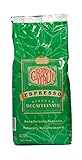
- Artisan Roasted, Decaf Espresso Whole Bean, 16oz.
- Traditional Italian blend
- So rich and full-bodied, you can't tell it's decaf!
- Naturally decaffeinated using the CO2 process
How do they make decaf coffee?
- It all begins with green coffee beans, straight from the farm.
- First, the beans are typically steamed or soaked in hot water. This swells them up and makes the caffeine more accessible.
- Then, the magic happens. A decaffeination agent is introduced.
- For solvent-based methods, a liquid like methylene chloride or ethyl acetate is used. It bonds with the caffeine molecules.
- This liquid, now carrying the caffeine, is drained away.
- The beans are then steamed again to remove any residual solvent. Gotta be thorough.
- Water-based methods, like the Swiss Water Process, use water and activated charcoal filters. The charcoal traps the caffeine.
- The CO2 process uses super-critical carbon dioxide. It acts like a solvent but is then easily removed.
- After decaffeination, the beans are dried.
- Finally, they’re ready for roasting, just like regular beans.
What affects the result
- The Decaffeination Method: Different processes can impact flavor retention differently. Some are more aggressive than others.
- Original Bean Quality: If the starting beans aren’t great, decaf won’t be either. Garbage in, garbage out.
- Solvent Choice (if used): While safe when done right, some folks can still detect subtle differences.
- Water Quality: Clean, filtered water is key, especially for water-based methods.
- Temperature During Steaming/Soaking: Too hot, and you can cook the bean before decaffeination. Too cool, and it’s less effective.
- Duration of Extraction: How long the beans are exposed to the decaffeinating agent matters.
- Efficiency of Solvent/CO2 Removal: Making sure all the extra stuff is gone is crucial.
- Roasting Profile: How the beans are roasted after decaffeination is a huge factor in the final taste.
- Freshness of Green Beans: Older green beans might have already lost some of their good stuff.
- The specific compounds targeted: Some methods are better at removing only caffeine, leaving other flavor precursors intact.
- The amount of caffeine remaining: Regulations usually require at least 97% of the caffeine to be removed. Some methods get closer to 99.9%.
- Storage of decaffeinated beans: Like regular beans, they need to be stored properly to stay fresh.
Pros, cons, and when it matters
- Pro: Less Caffeine: Obvious, right? Great for those sensitive to caffeine or drinking coffee late.
- Con: Potential Flavor Loss: Some decaffeination processes can strip away some of the bean’s original character. It’s a trade-off.
- Pro: Wider Accessibility: Allows more people to enjoy coffee without the jitters or sleep disruption.
- Con: More Complex Processing: It’s an extra step, which can add to the cost.
- Pro: Still Tastes Like Coffee: When done well, you get that familiar coffee flavor profile.
- Con: Chemical Solvents (in some methods): While regulated and removed, some people prefer to avoid them. That’s where water or CO2 methods shine.
- Pro: Good for Evening Drinks: Want a warm beverage after dinner? Decaf is your friend.
- Con: Can be More Expensive: The added processing means it often costs a bit more than regular beans.
- Pro: Variety of Options: You can find decaf in almost any roast level and origin, just like regular coffee.
- Con: Not Always Easy to Find High-Quality Decaf: The really exceptional decaf can be harder to source.
- Pro: A Solution for Health Concerns: For those managing certain health conditions, decaf can be a safer choice.
- Con: Some “Natural” Claims Need Scrutiny: While ethyl acetate can be naturally derived, the process still involves industrial steps.
Common misconceptions
- Myth: Decaf has NO caffeine. Nope. It’s just significantly reduced, usually 97% or more removed.
- Myth: Decaf tastes totally different from regular coffee. Not always. Modern methods do a great job of preserving flavor.
- Myth: All decaf is made with harsh chemicals. Not true. The Swiss Water Process and CO2 methods are chemical-free.
- Myth: Decaf is bad for you. The decaffeination process itself is safe. The health impacts of caffeine are well-documented, and decaf avoids many of those.
- Myth: Decaf beans are a special type of coffee plant. Nope. It’s just regular coffee beans that have undergone decaffeination.
- Myth: You can decaffeinate coffee at home easily. It’s a complex industrial process. Don’t try this at home, folks.
- Myth: Decaf loses all its flavor during processing. Modern methods are designed to prevent this. Good decaf is delicious.
- Myth: Decaffeination happens after roasting. It happens before roasting. That’s key.
- Myth: Decaf is just weaker coffee. It’s not about dilution; it’s about removing a specific compound.
FAQ
Q: How much caffeine is in decaf coffee?
A: Decaf coffee typically has at least 97% of its original caffeine removed. You’ll find trace amounts, but it’s significantly less than regular coffee.
Q: Is decaf coffee safe to drink?
A: Yes. The decaffeination processes used are regulated and considered safe for consumption. Any solvents used are removed from the beans.
Q: Which decaffeination method is best for flavor?
A: The Swiss Water Process and the CO2 method are often praised for retaining the most original flavor. Solvent methods have improved a lot, though.
Q: Can I tell the difference between decaf and regular coffee by taste?
A: Sometimes. High-quality decaf can be very close to its caffeinated counterpart. Lower quality decaf might show more flavor differences.
Q: Does decaf coffee have any health benefits?
A: It offers many of the same antioxidant benefits as regular coffee, just without the stimulant effects of caffeine.
Q: Why is decaf coffee sometimes more expensive?
A: The decaffeination process adds an extra step and cost to production. It requires specialized equipment and handling.
Q: Can I freeze decaf coffee beans?
A: Like regular coffee beans, it’s generally best to store decaf beans in an airtight container at room temperature, away from light and moisture. Freezing can sometimes affect flavor.
Q: Does the decaffeination process remove other compounds besides caffeine?
A: While the goal is to remove primarily caffeine, some minor loss of other compounds can occur depending on the method. Good processes minimize this.
What this page does NOT cover (and where to go next)
- Specific brand comparisons of decaf coffees.
- Detailed chemical analysis of different solvents.
- The history of coffee decaffeination.
- Home brewing techniques specifically for decaf beans.
- Reviews of specific decaffeination machinery.