
The Problem The Coffee Maker Solved
Quick answer
- Before automatic coffee makers, brewing coffee was a hands-on, often messy, and time-consuming affair.
- People had to boil water separately, then carefully combine it with grounds, often using makeshift filters.
- Consistency was a major challenge; results varied wildly depending on technique and guesswork.
- The modern coffee maker brought convenience, consistency, and a way to brew larger batches easily.
- It democratized good coffee, making it accessible to more people at home.
- This invention fundamentally changed morning routines for millions.
Key terms and definitions
- Infusion: The process of steeping coffee grounds in hot water to extract flavor.
- Percolation: A method where hot water repeatedly cycles through coffee grounds.
- Drip brewing: Hot water passes through coffee grounds held in a filter, dripping into a carafe. This is the most common method for automatic makers.
- Extraction: The process of dissolving soluble compounds from coffee grounds into water. This is where the flavor comes from.
- Bloom: The initial release of CO2 from fresh coffee grounds when hot water first hits them. It’s a good sign.
- Carafe: The pot that collects the brewed coffee. Usually glass or thermal.
- Filter basket: Holds the coffee grounds and filter, allowing brewed coffee to pass through.
- Heating element: The part of an automatic coffee maker that heats the water.
- Showerhead: Distributes hot water evenly over the coffee grounds.
- Batch brewing: Making a large quantity of coffee at once.
How it works: The Automatic Coffee Maker’s Magic
- Water heating: A heating element at the base of the machine warms up water in a reservoir. Think of a mini water heater.
- Water transfer: As the water heats, it expands and is forced up a tube, usually via steam pressure.
- Dispensing: The hot water travels to the showerhead, positioned above the filter basket.
- Saturation: The showerhead evenly disperses the hot water over the coffee grounds held in the filter.
- Extraction: As the water flows through the grounds, it dissolves the coffee’s soluble compounds, creating the brew.
- Filtration: The brewed coffee then passes through a paper or permanent filter, separating grounds from liquid.
- Collection: The finished coffee drips down into the carafe waiting below.
- Warming plate (optional): Many machines have a warming plate to keep the carafe of coffee hot.
What affects the result: Brewing the Perfect Cup
- Water quality: Tap water can have minerals or chlorine that mess with flavor. Filtered water is usually best.
- Coffee bean freshness: Stale beans lose flavor fast. Get them roasted recently.
- Grind size: Too fine, and it’s bitter. Too coarse, and it’s weak. A medium grind is typical for drip makers.
- Coffee-to-water ratio: This is crucial. Too much coffee, it’s strong. Too little, it’s watery. A good starting point is about 1:15 to 1:18 (coffee to water by weight).
- Water temperature: Ideally, between 195°F and 205°F. Most auto-drip machines aim for this, but cheaper ones can fall short.
- Brew time: How long the water is in contact with the grounds. This is affected by grind size and water flow.
- Even saturation: The showerhead needs to wet all the grounds equally. A good showerhead makes a difference.
- Cleanliness of the machine: Old coffee oils build up and go rancid. Clean your brewer regularly.
- Type of filter: Paper filters can remove more oils, leading to a cleaner cup. Metal filters let more oils through.
- Water hardness: Too hard or too soft water can impact extraction.
- Altitude: Water boils at a lower temperature at higher altitudes, which can affect brewing.
- Carafe material: Thermal carafes keep coffee hot longer without a warming plate, which can cook the coffee.
Pros, cons, and when it matters
- Pro: Convenience: Push a button, get coffee. Huge win for busy mornings.
- Con: Less control: You can’t tweak every variable like with manual methods.
- Pro: Batch brewing: Easy to make enough for a crowd or for multiple cups throughout the morning.
- Con: Potential for poor temperature: Cheaper models might not get water hot enough for optimal extraction.
- Pro: Consistency: Once you find your setup, it’s usually repeatable.
- Con: Can be wasteful: Paper filters and plastic parts.
- Pro: Accessible: Most people can afford a decent automatic drip machine.
- Con: Flavor limitations: Might not achieve the nuanced flavors of pour-over or espresso.
- Pro: Simple operation: Great for beginners or those who don’t want to fuss.
- Con: Cleaning can be a chore: Descaling and cleaning the basket and carafe takes time.
- Pro: Wide variety of options: From basic to high-end programmable machines.
- Con: Durability varies: Some machines don’t last as long as others.
If you value ease of use and the ability to brew larger quantities, an automatic coffee maker is a fantastic choice. Just press a button and enjoy.

- 12-CUP DURALIFE GLASS CARAFE: The sturdy 12-cup* carafe has measurement markings for accurate filling and an easy-grip handle for comfortable pouring.*Cup equals approximately 5 ounces (varies by brewing technique).
- SNEAK-A-CUP FEATURE TO PREVENT DRIPS: This feature temporarily stops the flow of coffee so you can pour your first cup before brewing ends without making a mess.
- EASY-VIEW WATER WINDOW: The front-facing window shows you the exact amount of water that will turn into coffee.
- DIGITAL CONTROLS WITH RUBBERIZED FEEL: Large, rubberized buttons give you full control of the coffeemaker, and the easy-read screen displays the clock, brew time, and programming options.
- QUICKTOUCH PROGRAMMING WITH AUTO SHUTOFF: Easily program the 24-hour auto brew feature so you can wake up to a fresh pot of coffee or whenever you desire. 2-Hour Auto Shutoff for added safety and peace of mind with every use.
For a straightforward and reliable brew, a good drip coffee maker is hard to beat. They offer convenience and consistency for your daily cup.
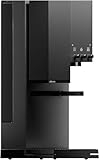
- 1. Three Levels of Automation for Any Skill Level: Choose from Autopilot, Copilot, or Free Solo mode. Autopilot handles the entire brewing process automatically. Copilot provides step-by-step guidance. Free Solo gives you full manual control. This coffee machine works for beginners and professional baristas alike.
- 2. Intuitive User Interface with Tactile Knobs and LED Matrix: The Studio features physical control knobs and a clear LED Matrix display. You can adjust grind size, water temperature, and flow rate in real time without navigating complicated touchscreen menus.
- 3. Full Customization via the xBloom App: Use the xBloom app to create, adjust, save, and share your favorite coffee recipes. Every brewing parameter can be fine-tuned and synced to the machine instantly. Your perfect cup is saved and repeatable.
- 4. Compostable xPod System for Minimal Waste and Maximum Flavor: Each xPod contains carefully selected whole beans and a built-in filter. Tap the recipe card, pour the beans into the grinder, place the pod into the dock, and press start. No capsules, no extra paper filters, no unnecessary waste.
- 5. What Is Included in the Box: The package includes the xBloom Studio, Omni Dripper 2 with Hyperflow Bottom, 10 paper filters, xPod Dock, Magnetic Dosing Cup, default recipe card, quick start guide, cleaning brush, universal power cord, and a 2-Year xbloom brand warranty. Everything you need is included—along with long-term peace of mind.
Common misconceptions
- Myth: Dark roast beans have more caffeine. Nope, lighter roasts actually have slightly more caffeine by volume.
- Myth: Boiling water is best for coffee. Too hot! It can scorch the grounds and lead to a bitter taste.
- Myth: Any old coffee grounds will do. Grind size is critical for drip machines. Too fine, and it’ll clog; too coarse, and it’ll be weak.
- Myth: More coffee grounds equals stronger coffee. It’s about ratio. Too many grounds can lead to under-extraction and a sour taste.
- Myth: You don’t need to clean your coffee maker often. Old coffee oils go rancid and ruin the taste of fresh brews. Clean it!
- Myth: All automatic coffee makers brew the same. Not true. Water temperature, showerhead design, and brew time vary.
- Myth: Instant coffee is just finely ground coffee. It’s actually dehydrated brewed coffee. Totally different.
- Myth: You can use any water. Heavily chlorinated or mineral-rich tap water can significantly impact flavor. Filtered is usually the way to go.
- Myth: A hot plate keeps coffee fresh. It can actually “cook” the coffee, making it taste stale and bitter over time.
FAQ
Q: What was coffee brewing like before automatic machines?
A: It was a lot more hands-on. People often boiled water separately and then used various methods like cloth filters, sieves, or even just letting grounds settle in the cup. It took more effort and skill to get a decent cup.
Q: Why is water temperature so important for coffee makers?
A: Coffee grounds need hot water to extract their flavors. If the water isn’t hot enough (ideally 195-205°F), you won’t pull out all the good stuff, resulting in a weak, sour cup. Too hot, and you can burn the grounds.
Q: How do I know if my coffee maker is brewing at the right temperature?
A: It’s tough to tell without a thermometer. Generally, higher-end machines are better at hitting the target range. If your coffee consistently tastes weak or sour, temperature could be a factor.
Q: What’s the deal with coffee bloom? Do I need to do it?
A: The bloom is when fresh coffee releases CO2. For manual brewing, you pour a little water on the grounds and wait 30 seconds. Automatic makers do this naturally, but you can’t control it. It’s a sign of fresh coffee.
Q: How often should I clean my coffee maker?
A: For daily use, rinse the basket and carafe after each brew. Descale (run a vinegar or descaling solution through it) every 1-3 months, depending on your water hardness and usage.
Q: Does the type of coffee maker matter that much?
A: Yes. Different brewing methods extract coffee differently. Automatic drip is convenient, but pour-over or French press can offer more control and different flavor profiles.
Q: What’s the best way to store coffee beans?
A: In an airtight container, away from light, heat, and moisture. Don’t store them in the fridge or freezer, as that can introduce moisture and odors.
Q: Can I use pre-ground coffee?
A: You can, but it won’t be as fresh. Coffee starts losing flavor compounds as soon as it’s ground. For the best taste, grind beans just before brewing.
What this page does NOT cover (and where to go next)
- Specific brand reviews or comparisons. (Look for “best drip coffee maker” guides.)
- Detailed instructions on descaling or repairing your machine. (Check your brewer’s manual or manufacturer website.)
- Advanced brewing techniques like espresso or cold brew. (These require different equipment and methods.)
- The history of coffee cultivation or global coffee trade. (Explore books or documentaries on coffee’s journey.)
- Recipes for coffee-based drinks. (Search for “coffee drink recipes”.)