
The Best Coffee for Authentic Tiramisu
Quick answer
- Use a strong, dark-roast espresso or very strong drip coffee.
- Brew it fresh, right before you assemble your tiramisu.
- Let it cool to room temperature or slightly cooler.
- Don’t dilute it too much with sugar or liqueur.
- Aim for a concentrated flavor that can stand up to the cream and mascarpone.
- A slightly bitter edge is good; it balances the sweetness.
Who this is for
- Home cooks aiming for a truly authentic Italian tiramisu.
- Anyone who’s had tiramisu and wants to recreate that specific coffee kick.
- Coffee lovers who understand that the brew itself is a key ingredient.
What to check first
Brewer type and filter type
What kind of coffee maker are you using? Espresso machines, Moka pots, and even a well-executed pour-over can work. Paper filters are standard for drip, but metal filters in Moka pots or espresso machines mean more oils and a richer body. Just make sure your setup is clean. Nobody wants stale coffee taste.
Water quality and temperature
Tap water can have off-flavors. Filtered water is best. For brewing, the ideal temperature is usually around 195-205°F. Too hot, and you scorch the grounds. Too cool, and you get weak coffee. For tiramisu, we want that concentrated strength, so precise brewing temp matters.
Grind size and coffee freshness
Freshly roasted and freshly ground beans are non-negotiable for good coffee. For espresso, you need a fine grind. For Moka pots, it’s a bit coarser than espresso but finer than drip. Drip coffee needs a medium grind. Old beans taste flat. Stale grounds? Forget about it.
Coffee-to-water ratio
This is where you dial in the strength. For tiramisu, you want a higher coffee-to-water ratio than you might use for your morning cup. Think of it as making a coffee concentrate. A good starting point for strong coffee is around 1:15 or 1:16 (grams of coffee to grams of water), but for tiramisu, you might go as low as 1:10 or 1:12.
Cleanliness/descale status
This is huge. Old coffee oils build up and turn rancid. They’ll ruin your tiramisu faster than you can say “savoiardi.” Make sure your brewer, grinder, and any pots or pitchers are spotless. Descaling your machine regularly is also key, especially if you have hard water.
Step-by-step (brew workflow)
1. Select your beans: Choose dark-roast, high-quality coffee beans. Think Italian roast or espresso blends.
- What “good” looks like: Beans with a rich aroma, no visible oils if you prefer that, or a nice sheen if you like them oily.
- Common mistake: Using old, stale beans. Avoid this by checking the roast date. Buy fresh.
For the best flavor, start with high-quality espresso beans. These beans will provide the rich, dark roast profile essential for authentic tiramisu.
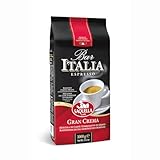
- AUTHENTIC ITALIAN ESPRESSO EXPERIENCE: From Saquella Caffè, family coffee roasters in Italy since 1856 — blending heritage, passion, and quality in every bean.
- FULL-BODIED & CREAMY FLAVOR: A signature Arabica and Robusta blend that delivers a bold espresso with a thick, velvety crema and lingering chocolate notes.
- MEDIUM-DARK ROAST: Carefully roasted for a rich aroma and balanced taste — smooth yet intense, ideal for espresso, cappuccino, or macchiato.
- CONSISTENT QUALITY: Beans are slow-roasted and expertly blended to ensure uniform extraction and a true Italian café-style experience at home.
- MADE IN ITALY: Imported directly from Italy — Saquella Bar Italia Gran Crema is the choice of professional baristas and espresso lovers worldwide.
2. Grind the beans: Grind just before brewing. The grind size depends on your brewer.
- What “good” looks like: A consistent grind, not too fine (powdery) or too coarse (chunky).
- Common mistake: Grinding too far in advance. Coffee stales rapidly after grinding. Grind only what you need.
3. Measure your coffee: Use a scale for accuracy. Aim for a concentrated ratio.
- What “good” looks like: Precise measurements, like 30g of coffee for 300-360g of water.
- Common mistake: Guessing the amount. This leads to inconsistent strength. Get a cheap kitchen scale. It’s a game-changer.
4. Prepare your brewer: Ensure it’s clean and preheated if necessary.
- What “good” looks like: A clean brewing device, ready to go.
- Common mistake: Using a dirty brewer. This imparts stale, bitter flavors. Give it a good scrub.
5. Heat your water: Bring filtered water to the correct temperature, around 195-205°F.
- What “good” looks like: Water that’s hot but not boiling.
- Common mistake: Using boiling water. This can scorch the coffee grounds, making it bitter. Let it sit for 30 seconds after boiling.
6. Brew the coffee: Execute your chosen brewing method (espresso, Moka pot, strong drip).
- What “good” looks like: A steady flow of rich, dark coffee.
- Common mistake: Rushing the brew or letting it run too long. Follow the recommended brew times for your method.
7. Check the strength: Taste a small amount. It should be strong and flavorful.
- What “good” looks like: A concentrated coffee flavor that’s rich, not watery or weak.
- Common mistake: Brewing it too weak. You need that coffee punch to cut through the mascarpone.
8. Cool the coffee: Let the brewed coffee cool down to room temperature or slightly cooler.
- What “good” looks like: Coffee that’s no longer piping hot. It should be comfortable to dip ladyfingers into.
- Common mistake: Using hot coffee. It can make the ladyfingers too mushy and melt the mascarpone mixture. Patience, friend.
9. Add optional flavorings (sparingly): If using, add a splash of liqueur or a bit of sugar.
- What “good” looks like: Subtle enhancement, not overpowering.
- Common mistake: Adding too much. The coffee flavor should still be the star.
Common mistakes (and what happens if you ignore them)
| Mistake | What it causes | Fix |
|---|---|---|
| Using stale coffee beans | Flat, lifeless coffee flavor; no depth | Buy beans with a recent roast date. Store them properly. |
| Grinding beans too early | Oxidized, bitter, and weak coffee | Grind only right before brewing. |
| Using the wrong grind size | Under-extraction (sour) or over-extraction (bitter) | Match grind size to your brewing method (fine for espresso). |
| Brewing with water that’s too hot | Scorched grounds, bitter and burnt taste | Use water between 195-205°F. Let boiling water sit for 30 seconds. |
| Using a dirty coffee maker | Rancid, stale, and off-flavors in the final coffee | Clean your brewer thoroughly after every use. Descale regularly. |
| Brewing coffee too weak | Tiramisu lacks that signature coffee punch | Use a higher coffee-to-water ratio (more coffee, less water). |
| Using hot coffee for dipping ladyfingers | Soggy ladyfingers, melted mascarpone cream | Let the brewed coffee cool to room temperature. |
| Diluting the coffee too much | Coffee flavor gets lost in the dessert | Be conservative with added sugar or liqueur. |
| Using poor quality water | Off-flavors that detract from the coffee and dessert | Use filtered or spring water. |
| Not letting the coffee cool enough | Ladyfingers disintegrate, dessert becomes watery | Allow ample cooling time before dipping. |
Decision rules (simple if/then)
- If your coffee tastes bitter, then you likely over-extracted or used water that was too hot, because these issues scorch the coffee grounds.
- If your coffee tastes sour, then you likely under-extracted or used water that was too cool, because the coffee grounds didn’t release enough flavor.
- If your tiramisu coffee layer is bland, then you brewed the coffee too weak, because you didn’t use enough coffee grounds or used too much water.
- If your ladyfingers are disintegrating into mush, then you dipped them for too long or used coffee that was too hot, because the moisture is overwhelming the biscuit.
- If your brewed coffee has an oily sheen and tastes a bit metallic, then your brewer might need cleaning, because old coffee oils build up and go rancid.
- If you’re using a Moka pot and getting bitter coffee, then your grind might be too fine, because it’s causing too much pressure and over-extraction.
- If your brewed coffee tastes weak and watery, then you need to increase your coffee-to-water ratio, because you’re using too much water for the amount of coffee.
- If you’re short on time and need coffee fast, then a strong drip brew is your best bet, because it’s quicker than waiting for espresso or Moka pot pressure.
- If you want the richest, most intense coffee flavor, then an espresso machine or Moka pot is ideal, because they produce a concentrated brew.
- If you’re using pre-ground coffee, then check the roast date and try to use it within a few weeks, because pre-ground coffee stales much faster than whole beans.
FAQ
What’s the absolute best coffee maker for tiramisu?
There isn’t one single “best.” Espresso machines and Moka pots are classic for their concentrated brew. A very strong, high-quality drip coffee can also work if brewed correctly.
Can I use instant coffee?
Authentic tiramisu traditionally uses brewed coffee. Instant coffee lacks the depth and complexity needed. It’s best to stick with freshly brewed coffee for that real flavor.
How strong should the coffee be?
It needs to be strong enough to cut through the richness of the mascarpone and cream. Think of it as a coffee concentrate, not your morning drinking coffee.
Do I need to add alcohol to the coffee?
Many traditional recipes include a splash of Marsala wine, rum, or coffee liqueur in the coffee. This is optional but adds another layer of flavor.
What kind of coffee beans should I look for?
A dark roast is typical. Look for blends labeled “espresso” or “Italian roast.” Avoid light or medium roasts, as their flavors might get lost.
How long does the coffee need to cool?
It should be at room temperature or slightly cooler. This usually takes about 30-60 minutes, depending on how much you brewed.
Can I brew the coffee the day before?
Yes, you can brew it ahead of time and store it in an airtight container in the fridge. Just make sure to bring it back to room temperature before using.
What if I don’t have a scale?
While a scale is best for consistency, you can use volume measurements (tablespoons) as a rough guide. For strong coffee, use about 2 tablespoons of grounds per 6 ounces of water.
What this page does NOT cover (and where to go next)
- Specific recipes for tiramisu itself.
- Detailed guides on operating specific coffee machine models.
- The history of tiramisu or coffee.
- Comparisons of different coffee bean origins for this purpose.
Next, you might want to explore recipes for authentic tiramisu, learn about different espresso machine types, or dive deeper into the science of coffee extraction.