
Sweetening Coffee Naturally Without Added Sugar
Quick Answer
- Focus on the coffee itself: use fresh, quality beans.
- Grind your beans right before brewing.
- Experiment with brewing methods like pour-over or Aeropress.
- Dial in your water temperature and quality.
- Get your coffee-to-water ratio right.
- Consider a darker roast for inherent sweetness.
Who This Is For
- Coffee drinkers looking to cut down on added sugars.
- Folks who want a naturally sweet-tasting cup without compromising flavor.
- Anyone curious about unlocking the inherent sweetness in coffee beans.
What to Check First
Brewer Type and Filter Type
Your setup matters. A French press can give you a richer, fuller body that feels sweeter. Paper filters, especially bleached ones, can sometimes strip away oils that contribute to perceived sweetness. Unbleached filters are often a good bet. If you’re using a drip machine, make sure the basket and filter size are correct for your machine.
Using a good coffee water filter can significantly impact the taste of your brew, ensuring no unwanted mineral or chlorine notes mask the coffee’s natural sweetness.
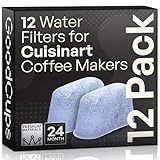
- Universal Compatibility: These premium replacement charcoal water filters are designed to fit all Cuisinart coffee maker models, ensuring a perfect fit for both newer and older models, including Cuisinart coffee maker 12 cup, Grind and Brew, and coffee maker with grinder.
- Enhanced Beverage Flavor: GoodCups charcoal water filters for Cuisinart coffee maker remove calcium, chlorine, and odors, giving you fresh, great-tasting coffee with every brew.
- Superior Filtration: Our charcoal boasts a strong absorption capacity and maximizes filtration efficiency. These water filters for Cuisinart coffee makers protect your brewer, extend its lifespan, and improve every coffee cycle.
- Optimal Water Flow Design: GoodCups filters feature a carefully crafted design that allows for optimal water flow, preventing clogs while ensuring your Cuisinart coffee maker operates smoothly and efficiently.
- Environmentally Conscious: These Cuisinart replacement water filters are made from recyclable materials, demonstrating our commitment to environmental responsibility.
Water Quality and Temperature
Water is like 98% of your coffee. If it tastes off, your coffee will too. Tap water with strong chlorine or mineral tastes is a no-go. Filtered water is usually your best friend here. For temperature, aim for 195-205°F. Too hot and you can scorch the grounds, making it bitter. Too cool and you won’t extract enough flavor, leading to a weak, sour cup.
Grind Size and Coffee Freshness
This is huge. Stale beans lose their aromatic compounds, including the ones that give coffee its sweetness. Look for a roast date on the bag, and try to use beans within a few weeks. Grind your beans just before you brew. Pre-ground coffee loses its magic fast. The grind size needs to match your brewer – fine for espresso, medium for drip, coarse for French press.
Coffee-to-Water Ratio
Too much coffee grounds for the water can lead to over-extraction and bitterness. Too little and you’ll get a weak, watery cup that lacks depth. A good starting point is the “golden ratio” – roughly 1:15 to 1:18 coffee to water by weight. So, for every gram of coffee, use 15 to 18 grams of water. Don’t stress about exact numbers at first; just find a balance that tastes good to you.
Cleanliness/Descale Status
Gunk builds up. Seriously. Old coffee oils and mineral deposits can make your coffee taste stale, bitter, or just plain weird. Regularly clean your brewer, grinder, and any carafes. If you have a machine, descale it according to the manufacturer’s instructions. A clean machine makes a world of difference. I learned this the hard way after a few months with my first drip machine.
Step-by-Step (Brew Workflow)
Here’s a general workflow for a great cup, focusing on sweetness without additives. Let’s use a pour-over as an example.
Methods that allow for more control over variables, like a pour-over coffee maker, can help you dial in the perfect sweetness without additives.

- Pour Over Coffee: Manual Pour Over Coffee Maker allows you to brew an excellent cup of Coffee in minutes
- Stainless steel: Includes a new and improved permanent, stainless steel mesh filter that helps extract your coffee's aromatic oils and subtle flavors instead of being absorbed by a paper filter
- Coffee Carafe: Made of durable, heat-resistant borosilicate glass with Cork Band detailing that is both functional and elegant; single wall
- Quick and Easy: Simply add coarse ground Coffee to filter, pour a small amount of water in a circular motion over ground Coffee until soaked then add the remaining water and let drip
- Servings: Pour Over Coffee Maker makes 8 cups of Coffee, 4 oz each; dishwasher safe
1. Heat Your Water: Get your filtered water heating to around 200°F.
- Good looks like: Water is hot but not boiling violently. A thermometer helps.
- Mistake to avoid: Using boiling water. It scorches the coffee. Let it cool for 30-60 seconds after it boils.
2. Prepare Your Filter: Place your paper filter in the brewer. Rinse it thoroughly with hot water.
- Good looks like: The filter is wet, and the rinsing water is clear.
- Mistake to avoid: Not rinsing the filter. This can leave a papery taste that masks sweetness.
3. Grind Your Beans: Weigh your coffee beans (e.g., 20g) and grind them to a medium-fine consistency, like coarse sand.
- Good looks like: Evenly sized grounds. No dust or huge chunks.
- Mistake to avoid: Grinding too fine (clogs, bitter) or too coarse (weak, sour). Match grind to your brewer.
4. Add Grounds to Brewer: Discard the rinse water. Add your fresh grounds to the rinsed filter.
- Good looks like: Grounds are level in the filter, creating a flat bed.
- Mistake to avoid: Leaving grounds clumped or uneven. This leads to uneven extraction.
5. Bloom the Coffee: Pour just enough hot water (about double the weight of the coffee, e.g., 40g) over the grounds to saturate them. Wait 30 seconds.
- Good looks like: The grounds puff up and release CO2 (bubbles). This is the “bloom.”
- Mistake to avoid: Skipping the bloom. It lets stale gases escape, allowing for better extraction later.
6. First Pour: Slowly pour the remaining water in concentric circles, starting from the center and moving outwards, avoiding the very edge. Aim for a steady stream.
- Good looks like: A consistent, controlled pour that keeps the grounds saturated but not flooded.
- Mistake to avoid: Pouring too fast or all at once. This can create channels and uneven extraction.
7. Continue Pouring: Add water in stages, letting the water level drop slightly between pours. Keep the flow steady.
- Good looks like: A consistent drip rate into your carafe. The coffee bed should look moist.
- Mistake to avoid: Letting the coffee bed run dry between pours. This breaks the extraction chain.
8. Finish Brewing: Stop pouring when you reach your desired water weight (e.g., 300-360g for 20g coffee). Let all the water drip through.
- Good looks like: The brewer is empty, and your carafe has the right amount of coffee.
- Mistake to avoid: Over-extracting by pouring too much water or letting it drip for too long. This adds bitterness.
9. Serve Immediately: Remove the brewer and serve your coffee right away.
- Good looks like: A fragrant, hot cup of coffee.
- Mistake to avoid: Letting brewed coffee sit on a hot plate. It cooks the coffee and makes it bitter.
Common Mistakes (and What Happens If You Ignore Them)
| Mistake | What It Causes | Fix |
|---|---|---|
| Using stale coffee beans | Flat, dull flavor; lack of sweetness | Buy fresh beans with a roast date; store them properly. |
| Pre-grinding coffee | Aroma loss; stale, bitter taste | Grind beans right before brewing; invest in a good grinder. |
| Incorrect grind size | Over-extraction (bitter) or under-extraction (sour) | Match grind size to your brewing method; adjust as needed. |
| Water temperature too high (boiling) | Scorched grounds; harsh, bitter coffee | Use filtered water; aim for 195-205°F; let boiling water cool. |
| Water temperature too low | Under-extracted; weak, sour, lacking sweetness | Use a thermometer; ensure water is within the optimal range. |
| Uneven coffee bed during pour-over | Channeling; uneven extraction; bitter/sour notes | Level grounds before brewing; pour water slowly and evenly. |
| Not rinsing paper filters | Papery taste masking coffee flavors | Rinse filter thoroughly with hot water before adding grounds. |
| Dirty brewer or grinder | Stale, rancid flavors; metallic aftertaste | Clean equipment regularly; descale machines as recommended. |
| Using poor quality tap water | Off-flavors; mineral-heavy taste | Use filtered water; avoid heavily chlorinated or mineral-rich water. |
| Incorrect coffee-to-water ratio | Too strong/bitter or too weak/sour | Start with 1:15-1:18 ratio by weight; adjust to taste. |
Decision Rules (Simple If/Then)
- If your coffee tastes bitter, then try a coarser grind because a finer grind can over-extract.
- If your coffee tastes sour, then try a finer grind because a coarser grind can under-extract.
- If your coffee tastes weak and watery, then check your coffee-to-water ratio and try using more grounds because you might be using too little coffee.
- If your coffee tastes bland, then check the freshness of your beans and your grind size because stale beans lose flavor.
- If you notice a papery taste, then ensure you are thoroughly rinsing your paper filter before brewing because this removes papery residues.
- If your brewed coffee has an off-flavor, then clean your brewing equipment because old coffee oils can go rancid.
- If your coffee tastes burnt, then check your water temperature and make sure it’s not boiling because too-hot water scorches the grounds.
- If your coffee lacks sweetness, then try a darker roast because darker roasts often have more inherent caramel and chocolate notes.
- If your coffee tastes metallic, then check your water quality and consider using filtered water because tap water can have metallic notes.
- If your pour-over is brewing too fast, then try a finer grind because a coarser grind lets water pass through too quickly.
- If your pour-over is brewing too slow, then try a coarser grind because a finer grind can clog the filter.
FAQ
How can I make coffee sweet without adding anything?
The best way is to focus on the coffee itself. Use fresh, high-quality beans, grind them right before brewing, and use the correct water temperature and ratio. Certain roast levels, like medium-dark or dark roasts, also bring out more natural sweetness.
Does the type of coffee bean affect sweetness?
Absolutely. Arabica beans, especially certain varietals from regions known for sweetness like Ethiopia or Brazil, tend to have more natural sugars and complex flavors that come across as sweet. Robusta beans are generally more bitter and less sweet.
Is there a specific brewing method that makes coffee sweeter?
Methods that allow for more control over variables, like pour-over or Aeropress, can help you dial in sweetness. Some people find immersion methods like French press produce a richer body that feels sweeter due to more oils being present.
Methods that allow for more control over variables, like the Aeropress coffee maker, can help you dial in sweetness.

- The Brewer That Started It All – AeroPress Original was the first single cup coffee maker to combine 3 brew methods in one compact, portable device for a faster brew and better extraction giving coffee lovers a smooth, rich cup bursting with coffee bean flavor—without the bitterness or acidity found in other methods.
- A New Standard in Coffee Flavor – Equal parts French press, pour-over, and espresso, AeroPress patented 3 in 1 technology distills the best of all three brewing methods into one sleek, portable device. The result? A rich, full-bodied cup in under two minutes—free of bitterness and grit, and full of delicious coffee bean flavor.
- The Secret to AeroPress Superior Flavor – Air Pressure and micro-filtration work together to speed up extraction for less bitterness than other methods, so you can finally enjoy the full spectrum of coffee bean flavor, from smooth tasting notes to level of roast and country of origin
- Brew and Clean in 2 Minutes – To brew, simply add coffee and water, wait 30 seconds, then press for a clean, well-balanced cup. The AeroPress coffee maker includes 50 paper micro-filters, ensuring smooth, grit-free coffee. To clean, just pop out the grinds and rinse! Fast, easy brewing at home or on the go.
- Brew Like a Pro, Wherever You Go – One of the only coffee makers that offers full control over brew time, temperature and grind size so you can personalize your favorites faster - from classics to cold brew and iced coffee to espresso-style drinks like cappuccino and lattes. Built for travel, AeroPress is compact, lightweight and shatterproof. Fits in your backpack, carry-on or bag, so you can make exceptional coffee on the road, at the office, while camping or wherever your brew takes you.
How important is water quality for coffee sweetness?
Crucial. Water makes up most of your coffee. If your water has off-flavors from chlorine or minerals, it will mask or compete with the coffee’s natural sweetness. Filtered water is almost always the best choice for a clean, sweet cup.
Can I make my coffee sweeter by changing the roast level?
Yes. Lighter roasts highlight acidity and origin flavors, which can be bright but not always perceived as sweet. Medium to dark roasts develop more caramelization and Maillard reaction compounds, which contribute to inherent sweetness, chocolate, and nutty notes.
What if my coffee is always bitter, no matter what I do?
Bitterness is often a sign of over-extraction. Try grinding your beans coarser, using slightly cooler water (around 195°F), or reducing your brew time. Ensure your equipment is clean, as old oils can cause bitterness.
How do I avoid sour coffee?
Sourness usually means under-extraction. Try grinding your beans finer, using hotter water (closer to 205°F), or increasing your brew time slightly. Make sure you’re using enough coffee grounds for the amount of water.
Does grinding fresh really make that big of a difference?
It’s one of the biggest differences you can make. Coffee starts losing its volatile aromatic compounds, including those contributing to sweetness, within minutes of being ground. Grinding just before brewing preserves maximum flavor and aroma.
What This Page Does Not Cover (And Where to Go Next)
- Specific coffee bean varietals and their flavor profiles.
- Detailed guides on advanced brewing techniques like espresso extraction.
- The science behind coffee chemistry and flavor compounds.
- DIY water filtration systems for optimal coffee brewing.
- Recipes for coffee-based drinks that incorporate natural sweeteners.