
Stronger Coffee With Keurig My K-Cup
Quick answer
- Use a finer grind for your coffee grounds.
- Pack the grounds in the My K-Cup filter more firmly.
- Use a darker roast coffee bean.
- Try a slightly higher coffee-to-water ratio.
- Ensure your Keurig is clean and descaled.
- Experiment with brew size and strength settings.
Who this is for
- Keurig owners who want a bolder cup.
- Anyone tired of weak coffee from their pod machine.
- Folks who want to use their own ground coffee and save cash.
What to check first
Brewer type and filter type
You’re rocking a Keurig, likely a K-Elite, K-Classic, or similar. The key here is the My K-Cup Universal Reusable Filter. It’s the gateway to using your own grounds. Make sure you’ve got the right one for your machine – they’re pretty standard now, but it’s always good to double-check the manual if you’re unsure.
To unlock the full potential of using your own coffee grounds, you’ll need the Keurig My K-Cup Universal Reusable Filter. This handy accessory is essential for making bolder brews with your Keurig machine.
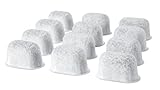
- MAJOR CONTENTS:12-Pack Replacement Charcoal Water Filter Cartridges fit Keurig Single Brewing System.
- COMPATIBLE MODELS: Keurig coffee machine purchased after August 2007: Keurig 1.0 Elite,Classic, Ultra, Special Edition, Ultimate and Platinum series, Keurig 2.0 K200, K300, K400, K500 series.
- PACKING ADVANTAGE: Each water filter refill is individually sealed to avoid exposure to air, one year supply to pre-store and exchange easily and regularly.
- PREMIUM FILTRATION: Keurig charcoal water filters reduce impurities, calcium, chlorine and odors, creating the best-tasting coffee.
- FOR BETTER TASTING BEVERAGES: Replace the Keurig water filter every 2 months or every 60 water tank refills, replace it more often, if you have hard water in your area.
Water quality and temperature
Tap water can be a flavor killer. If yours tastes funky, your coffee will too. Consider a simple water filter pitcher. For temperature, your Keurig does its thing, usually around 192-205°F. You can’t really adjust this directly, but a clean machine heats water more efficiently.
Grind size and coffee freshness
This is HUGE for flavor. For a reusable filter like the My K-Cup, a medium-fine to fine grind is usually best. Too coarse, and water rushes through, giving you weak coffee. Too fine, and you risk clogs or over-extraction, leading to bitterness. Always grind your beans fresh, right before brewing. Pre-ground coffee loses its punch fast.
Coffee-to-water ratio
This is about how much coffee you put in versus how much water your Keurig uses. A good starting point is about 2 tablespoons of grounds for every 6 oz of water. For stronger coffee, you’ll want to nudge this up slightly. Don’t go crazy, or it’ll get bitter.
Cleanliness/descale status
A dirty Keurig is a weak-coffee machine. Mineral buildup from hard water (scale) messes with water flow and temperature. If you haven’t descaled in a while, do it. It makes a noticeable difference, trust me. Check your Keurig’s manual for specific descaling instructions.
Step-by-step (brew workflow)
1. Grind your beans. Grind your favorite whole beans to a medium-fine consistency.
- What “good” looks like: Grounds look like table salt, not powder and not pebbles.
- Common mistake: Grinding too fine (powder) or too coarse (pebbles). Too fine clogs, too coarse means weak coffee.
2. Open the My K-Cup filter. Pop open the lid of your reusable filter.
- What “good” looks like: The lid opens smoothly and stays open.
- Common mistake: Forcing it if it’s stuck. Might mean it’s dirty or not seated correctly.
3. Add coffee grounds. Spoon your freshly ground coffee into the filter basket. Aim for about 2-3 tablespoons for a standard 8 oz brew.
- What “good” looks like: Grounds fill the basket evenly, without overflowing.
- Common mistake: Overfilling the basket. This can cause grounds to escape or lead to a bitter brew.
4. Level and gently tamp. Gently level the grounds with your finger or a spoon. You can tamp them down lightly, like packing a snowball, but don’t compress them hard.
- What “good” looks like: Grounds are relatively flat, with a slight density but still loose enough to allow water flow.
- Common mistake: Tamping too hard. This chokes the water flow and results in a bitter, under-extracted cup.
5. Close the My K-Cup filter. Snap the lid shut securely.
- What “good” looks like: The lid clicks into place and feels sealed.
- Common mistake: Not closing it fully. This can lead to grounds getting into your brew or a weak brew.
6. Insert the My K-Cup. Place the filled reusable filter into your Keurig, just like you would a disposable pod.
- What “good” looks like: It slides in easily and sits flush with the brew head.
- Common mistake: Forcing it. Make sure the lid is fully closed and the filter is oriented correctly.
7. Select brew size. Choose your desired cup size on the Keurig. For stronger coffee, try a smaller size first (e.g., 6 oz instead of 8 oz).
- What “good” looks like: The machine acknowledges your selection and is ready to brew.
- Common mistake: Always selecting the largest size. This dilutes the coffee flavor with too much water.
8. Select strength (if available). If your Keurig has a “strong” or “bold” setting, use it.
- What “good” looks like: The machine indicates the strength setting has been activated.
- Common mistake: Ignoring this feature. It’s designed to slow down the brew cycle for better extraction.
9. Start brewing. Press the brew button.
- What “good” looks like: The machine heats up and coffee starts flowing.
- Common mistake: Not waiting for the machine to fully heat. This can result in lukewarm coffee.
10. Enjoy! Carefully remove the hot My K-Cup filter.
- What “good” looks like: A flavorful, strong cup of coffee.
- Common mistake: Burning yourself on the hot filter or coffee. Always handle with care.
Common mistakes (and what happens if you ignore them)
| Mistake | What it causes | Fix |
|---|---|---|
| Using stale, pre-ground coffee | Weak, flat, uninspired flavor. | Grind beans fresh just before brewing. |
| Grind is too coarse | Water passes through too quickly, resulting in a weak, watery brew. | Adjust grinder to a finer setting (medium-fine is a good starting point). |
| Grind is too fine | Water flow is restricted, leading to over-extraction, bitterness, and clogs. | Adjust grinder to a coarser setting. Check for grounds in the brew basket after brewing. |
| Overfilling the My K-Cup filter | Grounds can escape into your coffee, or the brew can become bitter and muddy. | Use the recommended amount (around 2-3 tbsp) and don’t pack it down too hard. |
| Tamping grounds too hard | Restricts water flow, leading to over-extraction and a bitter, burnt taste. | Gently level the grounds; a light press is all that’s needed. |
| Not cleaning or descaling the Keurig | Affects water temperature and flow, resulting in weak or off-tasting coffee. | Follow your Keurig manual for regular cleaning and descaling procedures. |
| Using filtered water that tastes bad | “Garbage in, garbage out.” Bad water equals bad coffee. | Use filtered water or bottled spring water for a cleaner taste. |
| Always choosing the largest brew size | Dilutes the coffee flavor too much, making it taste weak. | Experiment with smaller brew sizes (6 oz or 8 oz) when using the My K-Cup for stronger flavor. |
| Not using the “strong” brew setting | Misses an opportunity to extract more flavor from the grounds. | Activate the “strong” or “bold” setting on your Keurig if available. |
| Using a light roast for strong coffee | Light roasts inherently have less intense flavor compounds. | Opt for medium to dark roasts for a naturally bolder, more robust cup. |
Decision rules (simple if/then)
- If your coffee tastes weak and watery, then try a finer grind because water is flowing through too fast.
- If your coffee tastes bitter or burnt, then try a coarser grind because you might be over-extracting.
- If you’re getting grounds in your cup, then check that the My K-Cup filter is sealed properly and not overfilled because grounds are physically escaping.
- If your Keurig is taking a long time to brew or the flow seems slow, then descale your machine because mineral buildup is likely restricting water flow.
- If you want a stronger cup, then reduce the brew size (e.g., from 8 oz to 6 oz) because less water will dilute the coffee less.
- If your Keurig has a “strong” setting, then use it because it slows the brew cycle for better extraction.
- If your coffee tastes dull even with fresh beans, then try a darker roast because they generally have more intense flavor profiles.
- If you’re using a very light roast and want it stronger, then consider adding a bit more coffee grounds because lighter roasts need more mass to achieve boldness.
- If the coffee tastes “off” or metallic, then check your water quality because impurities can significantly impact flavor.
- If you’ve tried everything and it’s still weak, then ensure your coffee beans are actually fresh and haven’t been sitting around for months because stale beans won’t produce good flavor.
FAQ
Q: How much coffee grounds should I put in the My K-Cup?
A: A good starting point is 2 to 3 tablespoons for a standard 8 oz brew. Adjust based on your preference and the coffee you’re using.
Q: Can I use espresso grind in my My K-Cup?
A: No, espresso grind is too fine and will likely clog your filter and machine, leading to bitter coffee. Stick to medium-fine to medium grinds.
Q: What’s the best type of coffee bean for stronger flavor?
A: Darker roasts, like French roast or Italian roast, tend to have a bolder, more intense flavor profile that works well for a stronger cup.
Q: My Keurig is making weird noises. What gives?
A: This often indicates it needs descaling. Mineral buildup can cause strain on the pump and affect brewing.
Q: Do I need to use special coffee for the My K-Cup?
A: Nope! The beauty of the My K-Cup is you can use any ground coffee you like. Just make sure the grind size is appropriate.
Q: How often should I clean my My K-Cup filter?
A: Rinse it out after every use and give it a good scrub with soap and water weekly, or as needed.
Q: Can I brew a “bold” cup with a Keurig that doesn’t have that setting?
A: Yes, by adjusting your grind size, coffee-to-water ratio, and using a smaller brew size, you can achieve a stronger cup.
What this page does NOT cover (and where to go next)
- Specific Keurig model troubleshooting (check your manual).
- Detailed coffee bean origin and processing information.
- Advanced brewing techniques like pour-over or Aeropress.
- Commercial espresso machine maintenance.