
Strategies For Making Your Coffee Shop Profitable
Quick Answer
- Focus on high-margin drinks and pastries.
- Optimize staffing for peak hours.
- Control food and labor costs ruthlessly.
- Build customer loyalty with great service and a welcoming atmosphere.
- Track inventory closely to minimize waste.
- Consider adding complementary products or services.
Who This Is For
- New coffee shop owners trying to get their business off the ground.
- Existing shop owners struggling with thin margins and inconsistent profits.
- Anyone looking to turn their passion for coffee into a sustainable, thriving business.
What to Check First
This isn’t about brewing coffee at home, but about the whole operation. Still, the core principles of quality and efficiency apply.
Your Menu and Pricing Strategy
Look at what you’re selling and what you’re charging. Are your most popular items also your most profitable? Or are you giving away the farm on a cheap drip coffee? It’s a balancing act.
Cost of Goods Sold (COGS)
This is the direct cost of everything you sell. Think beans, milk, syrups, pastries. If this number is too high, your profit margin shrinks faster than a cheap umbrella in a hurricane.
Labor Costs
Your staff is your biggest expense, usually. Are you overstaffed during slow times? Understaffed during rushes, leading to unhappy customers and lost sales? Every hour counts.
Operational Efficiency
How smoothly does your shop run? Are there bottlenecks at the register or the espresso machine? Wasted time is wasted money.
To truly optimize your operational efficiency and streamline transactions, consider investing in a robust coffee shop POS system.
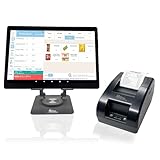
- 10.1" 8-core tablet with Wi-Fi and Bluetooth support, equipped with a 2" Bluetooth receipt printer and a stable aluminum alloy tablet stand that rotates 360°. Compatible with optional label printers, receipt printers, kitchen ticket printers, order ticket printers, barcode scanners, and electronic scales. Runs on a reliable Android operating system with built-in POS software. Hardware comes with a 1-year limited warranty
- You can download our mobile app in iOS and Android for settings, charts, reports, and storage management. We provide a online food ordering system. You or your customers can simply scan a QR code to place food orders via phone for to go delivery dine in
- LIFETIME SOFTWARE - Fast checkout, easy ordering and setup. User-friendly interface. The POS APP comes pre-installed and configured. The software is available for life and includes 1 year of customer service, 3 months of remote support, and 3 months of iCloud. No contract required, no mandatory fees
- We support payment terminals and Visa, Mastercard, Google Pay, and Apple Pay. If you sign up for our merchant services and begin accepting credit card payments after three months, we will refund you $200 for your business. Once your application is approved, you will receive a free EMV & credit card terminal
- Multifunctional-POS system, inventory management, tip tracking, membership system, reporting app, multi-region tax rate calculation, and more
Marketing and Customer Retention
Are people finding you? Are they coming back? A great shop needs a steady stream of customers, and repeat business is gold.
Step-by-Step: Optimizing Your Coffee Shop Workflow
This is about the daily grind, making sure every step adds value.
1. Morning Prep Routine:
- What to do: Arrive early, set up stations, brew first batch of drip, prepare pastries.
- What “good” looks like: Everything is clean, stocked, and ready to go before the first customer walks in. The aroma of fresh coffee fills the air.
- Common mistake: Rushing prep, leaving things messy. This starts the day on the wrong foot and creates stress.
- Avoid it: Stick to a strict checklist. Train your team on the exact routine.
2. Opening Sales Window:
- What to do: Greet customers warmly, take orders efficiently, process payments.
- What “good” looks like: Quick, friendly service. Customers feel welcomed and valued from the moment they enter.
- Common mistake: Staff looking bored or distracted. This is a missed opportunity to make a connection.
- Avoid it: Train staff on active listening and positive body language. Empower them to make small talk.
3. Drink Production:
- What to do: Accurately prepare espresso, steam milk, combine ingredients for specialty drinks.
- What “good” looks like: Consistent quality, correct temperature, and presentation for every drink. Speed without sacrificing quality.
- Common mistake: Inconsistent milk steaming (scorched or watery) or incorrect syrup ratios. This leads to remakes and unhappy customers.
- Avoid it: Standardize recipes and milk steaming techniques. Regular quality checks by a manager.
4. Pastry and Food Service:
- What to do: Accurately present and serve food items, manage warming or toasting if applicable.
- What “good” looks like: Food looks fresh and appealing. Items are served at the correct temperature.
- Common mistake: Serving stale pastries or incorrect orders. This is a quick way to lose trust.
- Avoid it: Implement a strict rotation system for baked goods. Double-check orders before handing them to the customer.
5. Mid-day Operations:
- What to do: Restock stations, clean tables, manage inventory levels, potentially run specials.
- What “good” looks like: The shop remains clean and organized even during slower periods. Proactive restocking prevents rushes later.
- Common mistake: Letting things slide during lulls, leading to a messy shop and depleted supplies when it gets busy again.
- Avoid it: Schedule specific cleaning and restocking tasks for slower periods.
6. Peak Hour Management:
- What to do: Ensure adequate staffing, streamline order taking and production, manage customer flow.
- What “good” looks like: Customers are served efficiently despite high volume. Staff work as a cohesive team.
- Common mistake: Understaffing or poor communication, leading to long lines and stressed staff.
- Avoid it: Use sales data to predict peak times and schedule accordingly. Implement a clear system for order handoffs.
7. Inventory Control:
- What to do: Track usage of beans, milk, syrups, disposables. Conduct regular inventory counts.
- What “good” looks like: Accurate records that match physical stock. Minimal spoilage and waste.
- Common mistake: Not tracking usage, leading to unexpected shortages or excessive spoilage.
- Avoid it: Implement a simple POS system that tracks sales and inventory, or a diligent manual tracking system.
8. End-of-Day Closing:
- What to do: Clean all equipment, restock for the next day, count cash, secure the premises.
- What “good” looks like: The shop is spotless, ready for the morning crew. All financials are reconciled.
- Common mistake: Rushing closing procedures, leaving equipment dirty or the shop disorganized. This impacts the next day’s start.
- Avoid it: Follow a detailed closing checklist every single night.
Common Mistakes (And What Happens If You Ignore Them)
| Mistake | What It Causes | Fix |
|---|---|---|
| Overpriced menu items | Customers go elsewhere, lower sales volume. | Research competitor pricing, calculate your costs, and price for value and profit. |
| Understaffing during rushes | Long wait times, frustrated customers, lost sales, burnt-out staff. | Analyze sales data to predict busy times and schedule accordingly. Cross-train your team. |
| Inconsistent drink quality | Customers get a different experience each time, leading to dissatisfaction. | Standardize recipes, conduct regular taste tests, and provide ongoing barista training. |
| Ignoring food waste | Direct hit to your profit margin. You’re literally throwing money away. | Implement strict inventory management, track spoilage, and adjust ordering based on sales. |
| Poor customer service | Customers feel unvalued and won’t return. Bad word-of-mouth spreads. | Train staff on customer engagement, active listening, and problem-solving. Empower them. |
| Dirty or uninviting atmosphere | Customers associate the mess with poor quality and hygiene. | Establish rigorous cleaning schedules for all areas, including restrooms and seating areas. |
| Neglecting marketing | New customers don’t find you, and existing customers might forget you. | Develop a simple marketing plan (social media, local partnerships, loyalty programs). |
| Not tracking key metrics | Flying blind – you don’t know what’s working or where the leaks are. | Regularly review sales data, COGS, labor costs, and customer feedback. Use a POS system. |
| Using low-quality beans | Even the best barista can’t make bad beans taste great. | Invest in good quality beans. It’s the foundation of your product. |
| Over-reliance on one product | Vulnerable to market shifts or competitor actions. | Diversify your offerings with pastries, teas, merchandise, or seasonal specials. |
Decision Rules
- If your Cost of Goods Sold (COGS) exceeds 30% of your revenue, then re-evaluate your suppliers and menu pricing because you’re likely losing money on each sale.
- If customer complaints about wait times are increasing, then analyze your staffing during peak hours because you might be understaffed.
- If your espresso machine is consistently producing inconsistent shots, then schedule immediate maintenance or calibration because it’s impacting drink quality and potentially wasting product.
- If a particular pastry item isn’t selling after a week, then consider removing it from the menu or offering it at a discount because it’s taking up valuable display space and potentially going to waste.
- If your labor costs are consistently over 35% of revenue, then review your scheduling and staff efficiency because you’re likely overpaying for labor relative to your sales.
- If customer feedback indicates a decline in friendliness, then conduct a refresher training session on customer service because a welcoming atmosphere is crucial for repeat business.
- If your inventory count shows significant discrepancies from your sales records, then implement a more robust inventory tracking system because you’re likely experiencing theft or excessive waste.
- If your average ticket price is lower than competitors in your area, then consider introducing higher-margin items or combo deals because you might be leaving money on the table.
- If your drip coffee is consistently sitting for more than an hour, then adjust your brewing schedule to match demand because stale coffee is a poor reflection of your brand.
- If you notice a specific syrup or milk alternative being used much more than others, then adjust your ordering to match demand and avoid overstocking because excess inventory can lead to spoilage.
FAQ
How can I increase my coffee shop’s profit margin?
Focus on high-margin items like specialty espresso drinks and premium pastries. Also, keep a close eye on your COGS and labor expenses, as these are often the biggest drains on profit.
What’s the best way to control food costs in a coffee shop?
Implement strict inventory management. Track everything that comes in and goes out. Order based on sales data, not just a hunch, and minimize waste through proper storage and rotation.
How many staff members do I need?
This depends heavily on your volume. Analyze your busiest and slowest hours using sales data. You need enough staff to handle rushes without long lines, but not so many that you’re overpaying during quiet periods.
Is it worth investing in expensive espresso machines?
Quality equipment generally leads to consistent quality drinks and faster service, which can boost sales and customer satisfaction. However, ensure the investment aligns with your projected revenue and profit goals.
How do I build customer loyalty?
Offer consistent quality, exceptional service, and a welcoming atmosphere. Loyalty programs, personalized recommendations, and remembering regular customers’ orders go a long way.
What if my coffee shop isn’t busy enough?
Review your marketing efforts. Are you visible online and locally? Is your pricing competitive? Consider special events or promotions to draw people in. Also, ensure your product quality and service are top-notch.
How often should I update my menu?
You don’t need to reinvent the wheel constantly. Seasonal specials are a great way to offer variety and test new items. Focus on perfecting your core offerings and only change the menu if something isn’t selling or costs are too high.
What are the biggest financial pitfalls for coffee shops?
Underestimating operating costs, poor inventory control leading to waste, and overspending on labor are common traps. Many also fail to price their products correctly for profitability.
What This Page Does Not Cover (And Where to Go Next)
- Detailed financial analysis and accounting practices.
- Specific marketing campaign strategies and social media management.
- Legal aspects of running a business, such as permits and health codes.
- Advanced coffee roasting and bean sourcing techniques.
- Interior design and creating a specific brand aesthetic.