
Starbucks-Style Cold Coffee Made at Home
Quick Answer
- Use a coarse grind for cold brew.
- Aim for a 1:8 coffee-to-water ratio.
- Let it steep for 12-24 hours.
- Filter thoroughly after steeping.
- Dilute the concentrate with water or milk.
- Serve over ice with your favorite additions.
- Taste and adjust as needed.
Who This Is For
- Anyone craving that Starbucks cold coffee vibe without the daily trip.
- Home brewers looking to master cold coffee at home.
- Coffee lovers who enjoy a smooth, less acidic brew.
What to Check First
Brewer Type and Filter Type
You’re likely making cold brew concentrate, so a large jar or a dedicated cold brew maker works. A French press can also do the trick, though filtering might be a bit messier. For filters, paper filters give a cleaner cup, while a fine-mesh metal filter is reusable and still effective.
For making cold brew concentrate, a large glass jar with a lid is an excellent choice, allowing for easy steeping and storage.
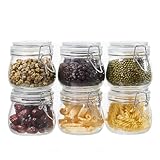
- 【Premium Glass Jars with Airtight Lids】These airtight glass jars feature a wire clip fastening system with clear preserving seals, locking in freshness and flavor. Ideal for dry goods and long-term food storage.
- 【Perfect Size: 17 oz Capacity – Set of 6】Each jar holds 17oz, just right for storing beans, flour, sugar, cereal, pasta, or snacks. Comes as a 6 pack to organize your kitchen efficiently.
- 【Durable & Safe Food Storage Containers】Made from thick, lead-free, glass food storage containers that are BPA-free, odor-resistant, and safe for everyday use.
- 【Multi-Purpose Glass Canisters for Kitchen & Pantry】Great for kitchen canning and pickling jars – also suitable for DIY jam, honey, kimchi, spices, and more. A functional and elegant solution for pantry storage jars.
- 【Stylish & Practical Storage Jars】Sleek square design saves space and looks beautiful on shelves. These glass storage jars are easy to stack and clean, combining utility with minimalist decor.
Water Quality and Temperature
Use good-tasting filtered water. Tap water with off-flavors will definitely come through in your cold brew. You’ll be using cold or room temperature water for steeping. No need to heat things up here.
Grind Size and Coffee Freshness
This is key. You want a coarse grind, like breadcrumbs or sea salt. Too fine, and you’ll get sludge and over-extraction. Freshly ground beans are always best. If you can, grind right before you brew.
Coffee-to-Water Ratio
A good starting point is a 1:8 ratio of coffee to water by weight. So, for every ounce of coffee beans, use 8 ounces of water. This makes a concentrate that you’ll dilute later. Don’t be afraid to experiment here.
Cleanliness/Descale Status
Make sure your brewing vessel and any filters are sparkling clean. Old coffee oils can turn your delicious cold brew into something bitter and stale. If you use a machine, give it a good descaling if it’s been a while.
Step-by-Step: How to Make Starbucks Cold Coffee at Home
1. Measure your coffee beans. Start with your chosen coarse grind. For a standard 32oz jar, about 4oz of coffee beans is a good starting point.
- Good looks like: Accurately weighed beans, ready for grinding.
- Common mistake: Guessing the amount. This throws off your ratio and can lead to weak or bitter coffee.
2. Grind the beans. Use a burr grinder set to a coarse setting. You want consistency.
- Good looks like: Even, coarse grounds.
- Common mistake: Using a blade grinder or a grind that’s too fine. This can make your cold brew muddy and hard to filter.
3. Add grounds to your brewer. Dump your freshly ground coffee into your jar or cold brew maker.
- Good looks like: A bed of coarse coffee grounds at the bottom.
- Common mistake: Not getting all the grounds in. A few stray grounds won’t hurt, but aim for completeness.
4. Add cold, filtered water. Slowly pour your water over the grounds, ensuring all of them are saturated. Stir gently if needed.
- Good looks like: All coffee grounds are wet and starting to bloom slightly.
- Common mistake: Pouring too fast and creating dry pockets. Make sure every speck of coffee gets wet.
5. Steep. Cover the brewer and let it sit at room temperature or in the fridge for 12 to 24 hours. Longer steeping usually means a stronger flavor.
- Good looks like: A dark liquid developing over time.
- Common mistake: Steeping for too short a time (under 12 hours) or too long (over 24 hours). Too short is weak; too long can get bitter.
6. Filter the concentrate. This is crucial. Pour the steeped coffee through a fine-mesh sieve lined with a paper filter or cheesecloth. You might need to do this in batches.
- Good looks like: A clear, dark liquid with minimal sediment.
- Common mistake: Rushing the filtering process. This lets fine grounds sneak through, making your coffee gritty.
7. Discard the grounds. Compost them or find other uses.
- Good looks like: Clean grounds, ready for disposal.
- Common mistake: Leaving grounds in the brewer for too long after steeping. They can continue to extract and become bitter.
8. Dilute the concentrate. Your cold brew is a concentrate. Mix it with water or milk. A 1:1 or 1:2 ratio of concentrate to liquid is a good starting point.
- Good looks like: A drinkable coffee strength you enjoy.
- Common mistake: Drinking the concentrate straight. It’s super strong and not meant to be consumed like that.
9. Serve over ice. Fill a glass with ice.
- Good looks like: A cold glass ready for coffee.
- Common mistake: Not using enough ice. Your drink will melt the ice too fast and become watery.
10. Add your favorites. This is where you get that Starbucks feel. Add cream, sugar, syrups, or whatever makes you happy.
- Good looks like: Your custom creation.
- Common mistake: Overdoing the sweeteners and dairy. You might mask the coffee flavor you worked hard to get.
When filtering the concentrate, using paper coffee filters will help ensure a clean cup with minimal sediment.

- FLAVOR-ENHANCING MICROFINE PERFORATIONS: Unlock the full, rich flavor of your coffee with Melitta’s signature Microfine Flavor Enhancing Perforations for a superior brewing experience.
- BURST-RESISTANT DOUBLE CRIMP DESIGN: Enjoy mess-free, reliable brewing with our exclusive double crimped edges, engineered to prevent bursting and spills.
- CERTIFIED SUSTAINABLE AND COMPOSTABLE: FSC Certified for responsible forestry, BPI Certified for commercial compostability, and packaged in 100% recycled paperboard to support eco-conscious living.
- PREMIUM QUALITY: Thicker, chlorine-free paper traps impurities for a smooth, clean cup; filters are gluten-free and kosher certified.
- MADE IN THE USA & UNIVERSAL FIT: Designed for all 8-12 cup cone coffee makers; Melitta is the world’s #1 cone coffee filter brand, upholding a legacy of innovation and quality.
Common Mistakes (and What Happens If You Ignore Them)
| Mistake | What it Causes | Fix |
|---|---|---|
| Using a fine grind | Muddy, over-extracted, bitter coffee; hard to filter | Use a coarse grind (like sea salt). |
| Not enough steep time | Weak, watery coffee | Steep for at least 12 hours. |
| Too much steep time | Bitter, harsh coffee | Don’t steep for more than 24 hours. |
| Poor water quality | Off-flavors in the final brew | Use filtered water. |
| Not filtering thoroughly | Gritty, sediment-filled coffee | Use a fine-mesh sieve and paper filter; filter in batches if needed. |
| Drinking concentrate straight | Overpowering bitterness and caffeine | Dilute with water or milk to your preferred strength. |
| Using old coffee beans | Flat, stale, less flavorful coffee | Use fresh, whole beans and grind them right before brewing. |
| Dirty equipment | Rancid, off-flavors | Clean your brewer and filters thoroughly after each use. |
| Incorrect coffee-to-water ratio | Too weak or too strong concentrate | Start with 1:8 (coffee:water) by weight and adjust in future brews. |
| Not stirring after adding water | Uneven extraction, dry spots | Gently stir to ensure all grounds are saturated. |
Decision Rules
- If your cold brew tastes bitter, then you likely used too fine a grind or steeped for too long, because these lead to over-extraction.
- If your cold brew tastes weak, then you probably didn’t steep it long enough or used too little coffee, because under-extraction leaves flavor behind.
- If your cold brew has sediment, then your filtering wasn’t thorough enough, because fine grounds made it through.
- If you want a smoother, less acidic coffee, then cold brewing is your friend because the cold water extracts fewer acidic compounds.
- If you’re short on time, then cold brew might not be for you because it requires significant steeping time.
- If your coffee tastes stale, then your beans are likely old, because freshness is key to good flavor.
- If you’re using tap water and it tastes off, then your cold brew will likely taste off too, because water quality directly impacts coffee flavor.
- If your concentrate is too strong, then add more water or milk because dilution is the solution.
- If your concentrate is too weak, then you can try steeping longer next time or using more coffee, because that’s how you increase extraction.
- If you’re aiming for that Starbucks flavor profile, then consider adding a touch of vanilla syrup or a creamy sweetener, because that’s part of their signature.
FAQ
What kind of coffee beans should I use for cold brew?
Medium to dark roasts often work well, but you can use any bean you enjoy. The key is a coarse grind and freshness.
How long can I store cold brew concentrate?
Properly stored in an airtight container in the fridge, cold brew concentrate can last for up to two weeks.
Can I use hot water to speed up cold brew?
No, the whole point of cold brew is using cold water for a slow, low-acid extraction. Using hot water will change the flavor profile entirely.
My cold brew is cloudy. What did I do wrong?
This usually means your grind was too fine, or you didn’t filter it thoroughly enough. A coarse grind and a good filtering process are essential.
How much caffeine is in homemade cold brew?
It depends on the coffee-to-water ratio and steep time, but cold brew concentrate is generally very high in caffeine. Diluting it will reduce the caffeine per serving.
Can I use this cold brew concentrate for hot coffee?
You can, but it’s not ideal. It’s designed for cold drinks. If you do, dilute it with hot water and be aware the flavor might be different.
What’s the difference between cold brew and iced coffee?
Iced coffee is typically brewed hot and then chilled, often resulting in a more acidic taste. Cold brew is brewed cold, resulting in a smoother, less acidic flavor.
What This Page Does NOT Cover (and Where to Go Next)
- Specific coffee bean origins and their impact on cold brew flavor.
- Advanced techniques like Japanese-style flash chilling.
- Detailed syrup recipes for custom Starbucks drinks.
- Comparisons of different cold brew maker brands.