
Simple Iced Coffee Recipe For Easy Homemade Enjoyment
Quick answer
- Brew your coffee double-strength.
- Use fresh, quality beans.
- Chill the coffee quickly.
- Use good ice.
- Balance sweetness and creaminess.
- Taste and adjust.
Who this is for
- Anyone craving a refreshing coffee drink without a fuss.
- Home brewers who want to level up their iced coffee game.
- People who want to save cash by making their own instead of buying out.
What to check first
Brewer type and filter type
Whatever you’re using, make sure it’s clean. A dirty brewer can mess up the flavor. Paper filters are fine, but metal filters let more oils through, which can add body. Just depends on your vibe.
Water quality and temperature
Use filtered water if your tap water tastes funky. For iced coffee, you want that hot brew to be as clean-tasting as possible. Temperature matters less for the final cold drink, but for brewing, it’s key.
Grind size and coffee freshness
Freshly ground beans are king. For iced coffee, you might go a touch finer than usual, especially if you’re brewing hot and chilling fast. Old beans taste flat, and nobody wants flat iced coffee.
Coffee-to-water ratio
This is where you get that double-strength kick. Use more coffee grounds than you normally would for the same amount of water. Think 1.5 to 2 times the amount. This stops your iced coffee from tasting watery.
Cleanliness/descale status
Seriously, clean your machine. Scale buildup is a flavor killer and bad for your brewer. A quick rinse after each use is a good habit. Descale every few months.
Step-by-step (brew workflow)
1. Gather your gear. You’ll need your coffee maker, fresh coffee beans, a grinder, filtered water, ice, and your favorite glass.
- Good looks like: Everything is clean and ready to go. No last-minute scrambling.
- Common mistake: Forgetting to clean the coffee maker. Avoid this by doing a quick rinse after every brew.
2. Measure your beans. For a strong brew, use about 2 tablespoons of beans per 6 oz of water, or even a bit more.
- Good looks like: Precise measurement for consistent results.
- Common mistake: Guessing the amount. Use a scale or measuring spoon for accuracy.
3. Grind your beans. Grind them just before brewing for maximum freshness. Aim for a medium-fine grind, similar to table salt.
- Good looks like: A consistent, fresh grind.
- Common mistake: Grinding too fine, which can clog filters and lead to over-extraction. Grind coarser if you notice bitterness.
4. Prepare your brewer. Add your filter and the ground coffee. Make sure the grounds are evenly distributed.
- Good looks like: A neatly packed filter bed.
- Common mistake: Tamping down the grounds too hard, which restricts water flow. Just gently level them.
5. Heat your water. Use fresh, filtered water heated to just off the boil, around 195-205°F (90-96°C).
- Good looks like: Water at the right temperature.
- Common mistake: Using boiling water, which can scorch the coffee. Let it sit for 30 seconds after boiling.
6. Brew the coffee. Pour the hot water over the grounds slowly and evenly. Use about half the usual amount of water for your coffee dose.
- Good looks like: A steady pour and an even bloom.
- Common mistake: Pouring too fast, which can lead to uneven extraction. Bloom the coffee for 30 seconds, then pour the rest.
7. Chill the brew. This is key for good iced coffee. You can do this a few ways:
- Option A: Ice Bath. Place your brewing vessel (like a carafe) in a bowl of ice water.
- Option B: Brew Directly Over Ice. Place ice in your serving glass and brew directly into it. You’ll need to adjust your coffee-to-water ratio even higher for this.
- Good looks like: Rapid cooling to lock in flavor.
- Common mistake: Letting hot coffee sit at room temperature for too long, which develops stale flavors.
8. Strain if needed. If you used a French press or a brewer that lets fines through, strain the coffee into your serving glass.
- Good looks like: A clear, sediment-free coffee.
- Common mistake: Not straining, leading to a gritty texture.
9. Add ice. Fill your serving glass with fresh ice cubes.
- Good looks like: Plenty of ice to keep it cold.
- Common mistake: Using old ice that might have absorbed freezer odors.
Fill your serving glass with plenty of fresh ice cubes. Using good quality ice, like those from dedicated ice cube trays, ensures your drink stays cold without diluting the flavor.
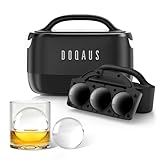
- ✅ Achieve Bar-Quality Clarity with Directional Freezing: Stop settling for cloudy, bubble-filled ice. Our clear ice cube maker utilizes advanced physics to push impurities away, creating 3 crystal-clear spheres and 4 cubes per cycle. It is the secret weapon for the home mixologist wanting presentation-ready drinks without expensive machinery.
- ✅ Preserve Complex Flavors with Slow Dilution: Designed for the purist, this whiskey ice cubes mold produces dense, 2.5-inch ice that melts 40% slower than standard ice. Enjoy your single malt or bourbon chilled but undiluted, ensuring the aromatic profile remains distinct from the first sip to the last.
- ✅ Effortless Release with Premium Hybrid Design: Unlike rigid plastic trays that crack, our flexible silicone ice ball maker mold ensures smooth removal. The non-stick material lets you pop out perfect shapes instantly, making drink preparation seamless for relaxing solo evenings or busy gatherings.
- ✅ Versatile 2-in-1 Capacity for Entertaining: Hosting a cocktail night? This round ice cube mold creates 7 pieces simultaneously, catering to different glass styles. Whether serving an Old Fashioned (sphere) or a Negroni (cube), you will have the right ice shape ready for every guest's preference.
- ✅ The Sophisticated Choice for Gifting: More than just a standard ice mold, this clear ice system is an essential upgrade for any wet bar. Packaged to impress, it creates a tangible experience, making it an ideal gift for fathers, partners, or enthusiasts who value the ritual of a perfectly poured drink.
10. Add sweeteners and creamers (optional). This is where you customize. Simple syrup mixes better than granulated sugar.
- Good looks like: Your preferred level of sweetness and creaminess.
- Common mistake: Adding too much too soon. Start small and taste as you go.
11. Stir and enjoy. Give it a good stir to combine everything.
- Good looks like: A perfectly blended, refreshing drink.
- Common mistake: Not stirring enough, leading to uneven flavor distribution.
Common mistakes (and what happens if you ignore them)
| Mistake | What it causes | Fix |
|---|---|---|
| Using stale coffee beans | Flat, dull, or bitter taste | Buy freshly roasted beans and grind them right before brewing. |
| Using poor quality water | Off-flavors, metallic taste | Use filtered water. |
| Grinding too fine | Bitter, over-extracted, muddy coffee | Adjust grinder to a coarser setting; aim for medium-fine. |
| Grinding too coarse | Weak, watery, under-extracted coffee | Adjust grinder to a finer setting. |
| Brewing with too little coffee | Watery, weak iced coffee | Increase coffee-to-water ratio for a stronger brew. |
| Letting hot coffee sit too long | Stale, oxidized, unpleasant flavors | Chill the brew rapidly using an ice bath or brewing over ice. |
| Using old or dirty ice | Off-flavors, freezer burn taste | Use fresh ice made from filtered water. |
| Adding sweeteners incorrectly | Gritty texture, uneven sweetness | Use simple syrup or dissolve sugar completely in a small amount of hot coffee first. |
| Not cleaning the brewing equipment | Burnt, bitter, or off-flavors | Rinse brewer after each use and descale regularly. |
| Brewing at the wrong temperature | Under-extracted (sour) or over-extracted (bitter) | Aim for 195-205°F (90-96°C) for brewing. |
Decision rules (simple if/then)
- If your iced coffee tastes watery, then increase your coffee-to-water ratio because you need a stronger concentrate.
- If your iced coffee tastes bitter, then check your grind size and brew temperature because these are common causes of over-extraction.
- If your iced coffee tastes sour, then check your grind size and brew temperature because these can lead to under-extraction.
- If your iced coffee has a muddy or gritty texture, then strain it thoroughly or check your filter type because fines are getting through.
- If your iced coffee doesn’t taste fresh, then ensure you’re using freshly roasted and ground beans because freshness is key.
- If your iced coffee tastes like chemicals or plastic, then clean your brewing equipment thoroughly because residue can impart bad flavors.
- If your sweetener isn’t dissolving well, then switch to simple syrup because it integrates much better into cold liquids.
- If you’re in a hurry, then brew your coffee directly over ice, but be prepared to use an even higher coffee-to-water ratio.
- If you want a smoother taste with more body, then consider using a metal filter or a French press because they allow more oils through.
- If you want a cleaner taste with less sediment, then use a paper filter because they trap more of the coffee oils and fines.
- If your iced coffee is too strong, then dilute it with a little cold water or milk because you can always add more liquid.
FAQ
How do I make my iced coffee stronger?
Increase the amount of coffee grounds you use relative to the water, or brew with less water overall. This creates a concentrate that won’t get watered down by ice.
Can I use leftover hot coffee for iced coffee?
You can, but it’s not ideal. Leftover coffee tends to taste stale and oxidized, which will carry over into your iced drink. Freshly brewed and chilled is always best.
What kind of ice should I use?
Use fresh ice made from filtered water. Avoid using ice that’s been sitting in the freezer for a long time, as it can absorb odors and affect the taste.
How do I sweeten iced coffee properly?
Simple syrup is your best friend. It’s just equal parts sugar and water heated until the sugar dissolves, then cooled. It mixes easily into cold drinks, unlike granulated sugar which can leave a gritty texture.
What if I don’t have a fancy brewer?
No worries. You can use a drip coffee maker, a French press, a pour-over cone, or even a Moka pot. The key is brewing it strong and chilling it fast.
Can I make iced coffee concentrate ahead of time?
Yes, you can brew a strong batch of coffee and store it in an airtight container in the fridge for 2-3 days. It’s a great way to have iced coffee ready to go.
What’s the best way to chill the coffee quickly?
Brewing directly over ice is the fastest method. Alternatively, pour your hot coffee into a metal carafe and place that in an ice bath.
Should I add milk or cream before or after adding ice?
It usually doesn’t matter much, but adding it before the ice can help it mix in a bit more smoothly. Taste and adjust as you go.
What this page does NOT cover (and where to go next)
- Detailed explanations of different brewing methods (like Aeropress or siphon brewers).
- In-depth guides to coffee bean origins and roast profiles.
- Advanced latte art techniques for cold drinks.
- Recipes for complex blended or frozen coffee beverages.
- Comparisons of specific coffee maker brands or models.