
Selecting the Best Coffee Beans for Espresso
Quick answer
- For espresso, think dark roasts, but don’t shy away from medium-dark.
- Look for beans labeled “espresso roast” or “for espresso.”
- Single origins can be fun, but blends often offer balanced flavor.
- Freshness is king. Aim for beans roasted within the last 1-4 weeks.
- Consider bean origin for flavor profiles: South America for chocolate/nutty, Africa for fruity/floral.
- Buy whole beans and grind them right before you brew.
Who this is for
- Home baristas ready to dial in their espresso shots.
- Anyone tired of bitter or sour espresso and wanting better flavor.
- Coffee lovers who want to understand how bean choice impacts the final cup.
What to check first
Brewer Type and Filter Type
This isn’t about the beans directly, but it matters. Are you using a manual lever machine, a semi-automatic, or an automatic? Different machines and portafilter baskets (single wall, double wall, pressurized) have varying tolerances. A pressurized basket is more forgiving with grind size, while a non-pressurized one demands precision. Know your gear; it’ll tell you how much wiggle room you have with your bean choice.
Water Quality and Temperature
Espresso is mostly water, so good water equals good espresso. If your tap water tastes funky, your espresso will too. Consider filtered water. For temperature, most machines aim for 195-205°F. Too cool and you get sourness; too hot and you get bitterness. While you can’t change the bean based on water temp, knowing your machine’s range helps you troubleshoot.
Grind Size and Coffee Freshness
This is where beans meet the machine. Espresso needs a fine, consistent grind. Think table salt, maybe a bit finer. Freshness is critical. Beans lose volatile aromatics quickly after roasting. Aim for beans roasted within the last month, ideally within two weeks. Older beans just won’t have that vibrant flavor profile you’re chasing.
Coffee-to-Water Ratio
For espresso, a common starting point is a 1:2 ratio. That means for every gram of dry coffee grounds, you get two grams of liquid espresso. So, 18 grams of coffee might yield 36 grams of espresso. This ratio is a guideline; you’ll adjust it based on the beans and your taste.
Cleanliness/Descale Status
A dirty machine is the enemy of good coffee. Old coffee oils go rancid and impart a bitter, stale taste. Regularly cleaning your portafilter, shower screen, and backflushing your machine is non-negotiable. If you’ve never descaled your machine, now’s the time. Mineral buildup can affect temperature and flow.
Step-by-step (espresso bean workflow)
1. Select your beans. Choose beans labeled “espresso roast” or for espresso. Consider a medium-dark to dark roast for classic espresso profiles, or experiment with medium roasts for brighter notes.
- What “good” looks like: Beans with a roast date within the last 1-4 weeks. Packaging that feels fresh, not stale.
- Common mistake: Buying beans from a grocery store shelf with no roast date. They’re likely stale. Avoid these.
When selecting your beans, look for those specifically labeled for espresso, as they are often roasted and blended to achieve that perfect shot. For a classic profile, consider a medium-dark to dark roast.
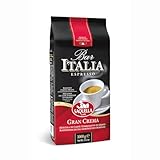
- AUTHENTIC ITALIAN ESPRESSO EXPERIENCE: From Saquella Caffè, family coffee roasters in Italy since 1856 — blending heritage, passion, and quality in every bean.
- FULL-BODIED & CREAMY FLAVOR: A signature Arabica and Robusta blend that delivers a bold espresso with a thick, velvety crema and lingering chocolate notes.
- MEDIUM-DARK ROAST: Carefully roasted for a rich aroma and balanced taste — smooth yet intense, ideal for espresso, cappuccino, or macchiato.
- CONSISTENT QUALITY: Beans are slow-roasted and expertly blended to ensure uniform extraction and a true Italian café-style experience at home.
- MADE IN ITALY: Imported directly from Italy — Saquella Bar Italia Gran Crema is the choice of professional baristas and espresso lovers worldwide.
2. Check the roast date. Aim for beans roasted recently. The fresher, the better for espresso.
- What “good” looks like: A clear roast date on the bag, ideally within the last 7-14 days.
- Common mistake: Assuming “best by” dates mean freshness. They don’t. Roast date is what matters.
3. Consider the origin/blend. Single origins offer unique flavors (e.g., Ethiopian for fruit, Brazilian for nutty). Blends are designed for balance and crema.
- What “good” looks like: Understanding what flavor notes you prefer. Do you like bright and fruity, or rich and chocolatey?
- Common mistake: Sticking to only one type of bean without exploring. Variety is the spice of life, and espresso.
4. Grind your beans. Use a quality burr grinder set to a fine espresso grind.
- What “good” looks like: A consistent, powdery texture, like fine sand or powdered sugar.
- Common mistake: Using a blade grinder. It produces uneven particles, leading to channeling and bad shots.
5. Dose your portafilter. Weigh your coffee grounds for consistency. A typical dose is 16-20 grams.
- What “good” looks like: The grounds are evenly distributed in the basket, creating a flat bed.
- Common mistake: Eyeballing the amount. Inconsistent dosing leads to inconsistent shots. Use a scale.
6. Distribute the grounds. Gently tap the portafilter or use a distribution tool to level the grounds.
- What “good” looks like: A smooth, even surface with no visible clumps or voids.
- Common mistake: Tamping without proper distribution. This creates pathways for water, resulting in uneven extraction.
7. Tamp evenly. Apply firm, consistent pressure straight down.
- What “good” looks like: A level, polished puck of coffee. No tilting.
- Common mistake: Uneven tamping. This causes water to channel through the path of least resistance.
8. Lock in the portafilter. Secure it firmly into the group head.
- What “good” looks like: A snug fit, no leaks around the gasket.
- Common mistake: Not locking it in fully. This can lead to grounds escaping or a messy extraction.
9. Start the shot. Engage your machine and time your extraction.
- What “good” looks like: A steady stream of espresso, starting dark brown and lightening to a golden-brown crema.
- Common mistake: Starting the shot too soon or too late. Timing is crucial for optimal extraction.
10. Monitor the flow and time. Aim for a shot time of 25-30 seconds for a 1:2 ratio.
- What “good” looks like: A syrupy flow, not too fast (gushing) or too slow (dripping).
- Common mistake: Letting the shot run too long or pulling it too short. This leads to over- or under-extraction.
11. Stop the shot. Disengage the brew cycle when you hit your target yield or time.
- What “good” looks like: Reaching your desired espresso volume or weight.
- Common mistake: Stopping the shot too early, resulting in a weak, sour espresso.
12. Taste and adjust. Evaluate the shot. Is it too bitter? Too sour? Adjust grind size or dose for the next shot.
- What “good” looks like: A balanced shot with pleasant acidity, sweetness, and a lingering finish.
- Common mistake: Not tasting or not making adjustments. You’ll never improve if you don’t learn from each shot.
Common mistakes (and what happens if you ignore them)
| Mistake | What it causes | Fix |
|---|---|---|
| Using stale beans | Weak flavor, lack of crema, bitter or flat taste | Buy beans with a recent roast date; store properly. |
| Incorrect grind size (too coarse) | Water flows too fast, under-extracted, sour taste | Grind finer. Check grinder settings. |
| Incorrect grind size (too fine) | Water flows too slow, choked machine, bitter taste | Grind coarser. Ensure grinder isn’t clogged. |
| Inconsistent tamping | Channeling, uneven extraction, bitter and sour notes | Tamp with consistent pressure and a level surface. |
| Uneven distribution of grounds | Channeling, weak spots, sour and bitter flavor | Use a distribution tool or tap gently to level grounds. |
| Wrong coffee-to-water ratio | Too strong or too weak, unbalanced flavor | Weigh your coffee and espresso yield for consistency. |
| Dirty equipment | Rancid oils, stale taste, poor crema | Clean your machine, portafilter, and shower screen regularly. |
| Using tap water with bad taste | Off-flavors in the espresso | Use filtered or bottled water. |
| Over-extraction (shot runs too long) | Bitter, astringent, burnt taste | Stop the shot sooner; adjust grind finer if needed. |
| Under-extraction (shot runs too short) | Sour, weak, thin body, lack of sweetness | Stop the shot later; adjust grind coarser if needed. |
| Using pre-ground espresso beans | Rapid staling, loss of aromatics, poor crema | Buy whole beans and grind them just before brewing. |
Decision rules (simple if/then)
- If your espresso tastes sour, then grind finer because the water is flowing through too quickly.
- If your espresso tastes bitter, then grind coarser because the water is flowing too slowly.
- If your espresso has no crema, then your beans might be too old or roasted too light, or your machine might not be hot enough.
- If your shot pulls in under 15 seconds, then grind finer because it’s likely under-extracted.
- If your shot chokes the machine or pulls in over 40 seconds, then grind coarser because it’s likely over-extracted.
- If your espresso has distinct bitter and sour notes simultaneously, then check your tamping and distribution for channeling.
- If your machine is producing a weak, watery shot with little flavor, then increase your coffee dose or check for stale beans.
- If you’re getting inconsistent results shot-to-shot, then start by weighing your coffee dose and espresso yield.
- If your espresso tastes like burnt toast, then you’re likely over-extracting; stop the shot sooner.
- If your espresso tastes like lemon juice, then you’re likely under-extracting; grind finer.
- If your espresso has a metallic taste, then check your water quality and machine cleanliness.
FAQ
What kind of roast is best for espresso?
Generally, medium-dark to dark roasts are classic for espresso. They bring out richer, bolder flavors like chocolate, caramel, and nuts. However, some enjoy lighter roasts for brighter, fruitier notes, but these can be trickier to dial in.
For a classic espresso experience, medium-dark to dark roasts are generally recommended, bringing out rich flavors like chocolate and caramel. If you’re feeling adventurous, some enjoy lighter roasts for brighter notes, though these can be more challenging to perfect.
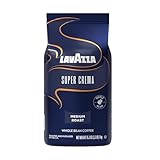
- SUPER CREMA: A 2.2 lb whole bean coffee bag ideal for espresso preparation
- INTENSITY AND ROAST: This full-bodied medium roast offers a bold and creamy finish
- BLEND: Made from Arabica and Robusta beans, this naturally caffeinated blend is sourced from 15 coffee-growing countries around the world
- PREPARATION: Ideal for espresso preparation.
- BREWING GUIDE FOR SINGLE ESPRESSO: 0.28 oz of ground espresso delivers a 1 oz espresso shot
Should I buy espresso beans or regular coffee beans?
“Espresso roast” beans are typically roasted for espresso, often darker and sometimes blended for balance. You can use any good quality whole bean coffee for espresso, but choosing beans labeled for espresso can simplify things.
While any good quality whole bean coffee can be used for espresso, choosing beans specifically labeled as an ‘espresso roast’ can simplify the process, as they are often roasted and blended with espresso in mind.

- THE COFFEE YOU DESIRE - illy’s blend of fine Arabica ground coffee with a distinctive flavor, featuring a bold and full-bodied taste with warm notes of cocoa and dried fruit.
- PREPARE COFFEE WITH EASE - Evoke a classic Italian beverage at any time. Coffee is to be freshly prepared and enjoyed immediately. Create the finest coffee experience in the comfort of your home.
- THE FINEST GROUND COFFEE - We select only the 1% of the finest beans, thanks to a devoted collaboration with growers who place maximum importance on quality and sustainability.
- WE BRING THE TASTE OF ITALY TO YOU - We’ve spent eight decades refining a singular, signature blend celebrated over the world as the pinnacle of what espresso coffee can be.
- SUSTAINABILITY IS OUR VISION - We pride ourselves on the constant focus on our environment and the community. We are part of a global movement with a common goal: to pave the way for a better, more liveable and more enlightened world.
How important is the roast date on the bag?
It’s super important. Espresso is best with beans that are between 7 days and 4 weeks post-roast. Older beans lose their volatile oils, resulting in less flavor and crema.
What’s the deal with single origin vs. blends for espresso?
Single origins showcase the unique characteristics of a specific region or farm. Blends combine beans from different origins to create a more balanced, consistent, and often crema-rich espresso profile. Both have their place!
Can I use my drip coffee beans for espresso?
You can try, but drip coffee beans are often roasted lighter and ground coarser for that brew method. For espresso, you’ll likely need a finer grind and possibly a darker roast for the best results.
How fresh do the beans need to be after opening the bag?
Once opened, try to use your beans within 2-3 weeks. Store them in an airtight container in a cool, dark place, away from heat and moisture. Don’t refrigerate or freeze them unless you plan long-term storage.
What if my beans are too oily for my grinder?
Very dark roasts can be oily. If they’re gumming up your grinder, try to use them relatively quickly or consider a grinder designed to handle oily beans. Sometimes, a slightly less oily bean, even if dark, works better.
Does the origin of the bean matter for espresso flavor?
Absolutely. Beans from South America (like Brazil or Colombia) often give chocolatey, nutty notes. African beans (like Ethiopia or Kenya) can provide fruity, floral, or wine-like acidity.
What this page does NOT cover (and where to go next)
- Detailed explanations of different espresso machine types (manual, semi-automatic, super-automatic).
- Specific grinder recommendations or comparisons.
- Advanced techniques like puck preparation variations or temperature surfing.
- Troubleshooting specific machine errors or maintenance procedures.
- Detailed taste profiles for every single origin coffee bean.