
Refreshing Keto Cold Coffee Recipe
Quick Answer
- Use a low-carb sweetener: Opt for erythritol, stevia, or monk fruit.
- Choose full-fat dairy or alternatives: Heavy cream, coconut cream, or unsweetened almond milk work well.
- Brew strong coffee: This ensures a robust flavor that isn’t diluted.
- Chill your coffee thoroughly: Cold coffee is essential for a refreshing drink.
- Blend with ice: This creates a smooth, frosty texture.
- Add healthy fats: A tablespoon of MCT oil or unsalted butter can boost satiety.
Who This Is For
- Keto dieters: Individuals following a ketogenic lifestyle who want a coffee beverage that fits their macros.
- Low-carb enthusiasts: Anyone looking to reduce their sugar and carbohydrate intake in their daily coffee.
- Coffee lovers seeking variety: People who enjoy cold coffee drinks but want a healthier, sugar-free alternative to traditional recipes.
How to Make Keto Cold Coffee: A Detailed Guide
This guide will walk you through the process of brewing the perfect cup of keto cold coffee, focusing on flavor, texture, and macro-friendliness.
Brewer Type and Filter Type
The foundation of any good coffee, including keto cold coffee, starts with your brewing method. Whether you prefer the simplicity of a drip machine, the control of a pour-over, or the convenience of a French press, each can yield excellent results. For keto cold coffee, a strong brew is often desired, so methods that allow for a higher coffee-to-water ratio or longer contact time can be beneficial.
Consider the filter type. Paper filters are excellent at removing oils and fine sediment, resulting in a cleaner cup. Metal filters, like those in French presses or some pour-over devices, allow more of these oils to pass through, contributing to a richer mouthfeel and fuller body. For cold coffee, a cleaner brew from a paper filter can sometimes be preferable to avoid any grittiness, but this is largely a matter of personal preference.
Water Quality and Temperature
The quality of your water significantly impacts the taste of your coffee. Using filtered water, free from chlorine or strong mineral tastes, will allow the coffee’s natural flavors to shine through. For cold coffee, the initial brewing temperature matters less for the final drink’s temperature but is crucial for extraction. If you’re brewing hot coffee to be chilled later, aim for water between 195°F and 205°F (90°C and 96°C) for optimal extraction. If you’re making cold brew concentrate, the water will be at room temperature, and the extraction happens over a longer period.
Grind Size and Coffee Freshness
The grind size is critical for proper extraction. For most hot brewing methods, a medium grind is suitable. If you’re making cold brew, a coarser grind is generally recommended to prevent over-extraction during the extended brewing time.
Freshness is paramount. Coffee beans are at their peak flavor within a few weeks of roasting. Grinding your beans just before brewing is ideal. Stale coffee can result in a flat, dull taste, which is undesirable for any coffee drink, especially one where you’re aiming for vibrant flavor. Look for roast dates on your coffee packaging.
Coffee-to-Water Ratio
The ratio of coffee grounds to water dictates the strength and flavor profile of your brew. For a standard cup of hot coffee, a common starting point is a ratio of 1:15 to 1:18 (e.g., 1 gram of coffee to 15-18 grams of water). For keto cold coffee, you might want a stronger brew. Consider using a ratio closer to 1:12 or 1:14 for hot coffee that will be chilled, or a much higher concentration (like 1:4 to 1:8) if you are making a cold brew concentrate that will be diluted later. Experimentation is key to finding your preferred strength.
Cleanliness/Descale Status
A clean coffee maker is essential for great-tasting coffee. Coffee oils and mineral deposits can build up over time, imparting bitter or off-flavors to your brew. Regularly cleaning your brewer according to the manufacturer’s instructions, and descaling it periodically (especially if you have hard water), will ensure that your keto cold coffee tastes as pure and delicious as possible. This is especially important for cold brew, where the longer contact time can amplify any lingering stale flavors.
Step-by-Step: Brewing Strong Coffee for Keto Cold Coffee
This workflow focuses on brewing a strong cup of hot coffee that can then be chilled and transformed into your keto cold coffee.
1. Select your coffee beans.
- What to do: Choose high-quality, freshly roasted whole coffee beans.
- What “good” looks like: Beans with a recent roast date, free from damage or excessive dust.
- Common mistake: Using old or pre-ground coffee. How to avoid: Buy beans with a visible roast date and grind them just before brewing.
2. Measure your coffee beans.
- What to do: Use a kitchen scale to weigh your beans. A good starting point for a strong brew might be a 1:12 to 1:14 ratio (e.g., 30 grams of coffee for 360-420 grams of water).
- What “good” looks like: Accurate measurement for consistent results.
- Common mistake: Relying on scoops, which can be inconsistent. How to avoid: Invest in a simple digital kitchen scale.
3. Grind your coffee beans.
- What to do: Grind the beans to a medium-fine consistency, suitable for your chosen brewing method.
- What “good” looks like: Uniformly sized particles, resembling coarse sand.
- Common mistake: Grinding too fine (clogging filters, over-extraction) or too coarse (under-extraction). How to avoid: Adjust your grinder settings based on your brewer and taste.
4. Heat your water.
- What to do: Heat filtered water to the optimal brewing temperature, typically between 195°F and 205°F (90°C and 96°C).
- What “good” looks like: Water that is hot but not boiling, ideally measured with a thermometer.
- Common mistake: Using boiling water, which can scorch the coffee grounds. How to avoid: Let boiling water sit for 30-60 seconds before pouring, or use a temperature-controlled kettle.
5. Prepare your brewer and filter.
- What to do: Rinse your paper filter with hot water (if using) to remove any papery taste and preheat your brewer.
- What “good” looks like: A clean, wet filter and a warm brewing vessel.
- Common mistake: Not rinsing the filter, leading to a papery taste. How to avoid: Always rinse paper filters thoroughly.
6. Add coffee grounds to the brewer.
- What to do: Place the measured, freshly ground coffee into your prepared brewer.
- What “good” looks like: An even bed of grounds.
- Common mistake: Uneven distribution of grounds, leading to uneven extraction. How to avoid: Gently tap the brewer to level the grounds.
7. Bloom the coffee (if applicable).
- What to do: Pour just enough hot water (about twice the weight of the coffee grounds) to saturate all the grounds. Wait for 30 seconds.
- What “good” looks like: The coffee grounds will bubble and expand, releasing CO2.
- Common mistake: Skipping the bloom or pouring too much water, which can lead to channeling. How to avoid: Use a controlled pour and observe the bloom.
8. Begin the main pour.
- What to do: Slowly pour the remaining hot water over the grounds in a controlled, circular motion, ensuring all grounds are saturated.
- What “good” looks like: A steady flow of water, consistent saturation.
- Common mistake: Pouring too quickly or in one spot, causing uneven extraction. How to avoid: Pour in stages and use a gooseneck kettle for better control.
9. Complete the brew cycle.
- What to do: Allow the coffee to finish dripping or steeping according to your brewer’s design.
- What “good” looks like: All the water has passed through the grounds or steeping is complete.
- Common mistake: Stopping the brew too early or letting it go too long (over-extraction). How to avoid: Follow recommended brew times for your method.
10. Chill the brewed coffee.
- What to do: Once brewed, let the coffee cool to room temperature, then transfer it to the refrigerator to chill thoroughly for at least 2-4 hours, or ideally overnight.
- What “good” looks like: Cold, concentrated coffee ready for your keto recipe.
- Common mistake: Trying to chill hot coffee by adding ice directly, which dilutes the flavor. How to avoid: Cool the coffee completely before adding ice or blending.
Common Mistakes (and What Happens If You Ignore Them)
| Mistake | What it Causes | Fix |
|---|---|---|
| Using stale coffee beans | Flat, dull, or bitter coffee | Use freshly roasted beans and grind just before brewing. |
| Incorrect grind size | Under-extracted (sour) or over-extracted (bitter) | Adjust grinder settings; aim for consistency. |
| Poor water quality | Off-flavors, muted coffee notes | Use filtered water. |
| Brewing temperature too low | Under-extraction, sour taste | Ensure water is 195°F-205°F (90°C-96°C) for hot brewing. |
| Brewing temperature too high | Over-extraction, burnt or bitter taste | Let boiling water cool for 30-60 seconds. |
| Uneven coffee distribution | Channeling, inconsistent extraction, weak spots | Gently level grounds; use a controlled pour. |
| Skipping the bloom | Less intense aroma, potentially uneven extraction | Allow grounds to degas for 30 seconds with initial water pour. |
| Inconsistent water pouring | Channeling, uneven extraction, weak or bitter coffee | Use a gooseneck kettle for controlled, circular pouring. |
| Not cleaning the brewer | Stale, bitter, or oily off-flavors | Clean your brewer regularly and descale as needed. |
| Adding ice to hot coffee | Diluted flavor, watery consistency | Chill coffee completely before adding ice or blending. |
| Using sweetened condensed milk | High sugar content, not keto-friendly | Use keto-friendly sweeteners and heavy cream/alternatives. |
When making keto cold coffee, it’s crucial to avoid high-sugar ingredients like sweetened condensed milk. Instead, opt for keto-friendly sweeteners to maintain your macros.
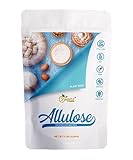
- 【AMAZING TASTE AND CALORIE-FREE】 Allulose is a monosaccharide or simple sugar that naturally exists in some fruits. It closely resembles the flavor of regular sugar but without any unpleasant aftertaste. Allulose is about 70% as sweet as sugar, but contains less than 10% of the calories found in sucrose, making it virtually calorie-free while still providing the natural sweetness of sugar.
- 【GREAT TEXTURE, VOLUME, AND CARAMELIZATION】 Allulose virtually replicates the texture and volume of sugar, while also demonstrating similar caramelization and thickening properties when used in baking and cooking. These exceptional characteristics set allulose apart as an excellent ingredient for achieving desired outcomes in a wide range of culinary applications that align with your healthy lifestyle.
- 【MORE ALLULOSE BLENDS】 Going beyond Allulose, G-Sweetz Allulose sweeteners broaden your options by blending with a variety of intensive sweeteners such as Monk Fruit extract, Stevia Extract, a combination of both, or the classic sucralose. Each sweetener series, derived from Allulose blends, provides a range of sweetness levels from 1X to 20X, ensuring both your sweet tooth and budget are perfectly catered to!
- 【HEALTHY CHOICES】 Upgrade your sweet experience with a sugary-tasting sweetener that's Keto-friendly, containing 0 net carbs. Our allulose is derived from natural ingredients and is free of GMOs, additives, artificial flavors, soy, and gluten. This sweetener is also vegan-friendly, tooth-friendly, and has zero sugar. Enjoy its delicious taste without worrying about any negative side effects.
- 【US QUALITY】 Our products are made and tested in accordance with approved product standards. Our facilities are registered with the FDA and comply with the regulations and licensing requirements of the New Jersey Department of Health and Earth Kosher. For any product inquiries, our US-based live support team is available to assist you.
Decision Rules for Keto Cold Coffee Perfection
Here are some simple if/then rules to help you troubleshoot and perfect your keto cold coffee:
- If your cold coffee tastes sour, then your coffee was likely under-extracted because the grind was too coarse or the water temperature was too low (for hot brewing).
- If your cold coffee tastes bitter or burnt, then your coffee was likely over-extracted because the grind was too fine, the water was too hot, or the brew time was too long.
- If your cold coffee lacks flavor intensity, then you may need to increase your coffee-to-water ratio or use fresher beans.
- If your cold coffee has a watery consistency, then you might need to brew a stronger concentrate or use less liquid when blending.
- If you notice sediment in your cold coffee, then consider using a finer filter or a different brewing method that produces less sediment, like a paper-filtered pour-over.
- If your cold coffee doesn’t blend smoothly, then ensure your brewed coffee is completely chilled and consider using a bit more liquid or a more powerful blender.
- If you’re looking for a richer mouthfeel, then consider using a metal filter for your initial brew or adding a source of healthy fat like MCT oil or heavy cream.
- If your keto cold coffee doesn’t taste sweet enough, then gradually add more of your chosen keto-friendly sweetener, tasting as you go.
- If you want to reduce the carb count further, then opt for unsweetened almond milk or coconut milk instead of heavy cream, and be mindful of the carb count in any flavorings.
- If your cold coffee has an unpleasant “stale” taste, then ensure your brewer is thoroughly cleaned and that you’re using freshly ground coffee.
FAQ
Q: Can I use instant coffee to make keto cold coffee?
A: While you can technically use instant coffee, it will not yield the same quality or flavor as freshly brewed coffee. For the best results, brew your coffee using whole beans and your preferred method.
Q: What is the best sweetener for keto cold coffee?
A: Popular keto-friendly sweeteners include erythritol, stevia, monk fruit, and xylitol. Choose one that you enjoy the taste of and that dissolves well in cold liquids.
Q: How can I make my keto cold coffee creamy without dairy?
A: Unsweetened almond milk, coconut milk (from a carton or canned light coconut milk), or cashew milk can be used as dairy-free alternatives. Adding a tablespoon of MCT oil or a small amount of coconut cream can also enhance creaminess and healthy fats.
Q: How long does brewed coffee last in the refrigerator for keto cold coffee?
A: Brewed coffee can typically last for 3-4 days in the refrigerator. However, its flavor will degrade over time, so it’s best to use it within 1-2 days for optimal taste.
Q: Can I make a large batch of keto cold coffee concentrate?
A: Yes, you can brew a strong batch of coffee concentrate using a higher coffee-to-water ratio. Store this concentrate in the refrigerator and dilute it with water, ice, and your keto-friendly additions as needed.
Q: What is the role of MCT oil in keto cold coffee?
A: MCT (Medium-Chain Triglyceride) oil is a type of fat that is easily digested and can be used for energy by the body, making it a popular addition for those on a ketogenic diet. It can also add a subtle richness to your cold coffee.
Q: How do I avoid a bitter taste in my keto cold coffee?
A: Bitterness often comes from over-extraction. Ensure your grind size is appropriate for your brewing method, use water at the correct temperature, and avoid brewing for too long. Using quality beans and a clean brewer also helps.
What This Page Does Not Cover (and Where to Go Next)
- Specific brand recommendations for coffee beans or sweeteners: This guide focuses on general principles; explore different brands to find your favorites.
- Detailed nutritional breakdowns for specific ingredients: While the focus is keto-friendly, individual macro tracking is recommended for precise dietary management.
- Advanced brewing techniques like siphon or espresso: This guide covers common home brewing methods suitable for cold coffee.
To learn more, consider exploring resources on:
- The science of coffee extraction and brewing variables.
- Different types of keto-friendly sweeteners and their properties.
- Blender techniques for achieving smooth, frosty beverages.