
Reddit Users Share Secrets To Less Bitter Coffee
Quick answer
- Dial in your grind size. Too fine means over-extraction, which is bitterness.
- Use good water. Tap water can have weird flavors. Filtered is usually best.
- Don’t use stale beans. Freshly roasted coffee makes a world of difference.
- Get your coffee-to-water ratio right. Too much coffee can lead to a weak, bitter brew.
- Keep your gear clean. Old coffee oils build up and taste nasty.
- Experiment with brew temperature. Too hot can scorch the grounds.
Who this is for
- Anyone tired of that harsh, bitter bite in their morning cup.
- Home baristas looking to elevate their brew beyond “just okay.”
- Redditors who’ve seen the threads but want a clear guide on fixing bitter coffee.
What to check first
Brewer type and filter type
What kind of machine are you using? Drip, pour-over, French press? Each has its own quirks. And what about the filter? Paper filters catch more oils, which can sometimes contribute to bitterness if not handled right. Metal filters let more through. It’s a trade-off.
Water quality and temperature
Your coffee is like 98% water. If your water tastes bad, your coffee will taste bad. Seriously. Try filtered water. For temperature, most experts say between 195°F and 205°F is the sweet spot. Too hot can burn the grounds. Too cool and you won’t extract enough flavor.
Grind size and coffee freshness
This is huge. Grind size matters for extraction. Too fine? Bitter city. Too coarse? Sour and weak. Freshness is king. Coffee goes stale fast after roasting. Aim for beans roasted within the last few weeks.
Coffee-to-water ratio
This is about balance. Too much coffee grounds for the water you use can lead to a concentrated, bitter brew. Too little coffee and it’ll be weak and maybe even sour. A good starting point is often around 1:15 to 1:18 (coffee to water by weight).
Cleanliness/descale status
Think about it. If you’ve ever smelled old coffee oil buildup, you know it’s not pleasant. That gunk can ruin a perfectly good bean. Descale your machine regularly too. Mineral buildup affects taste and performance.
Step-by-step (brew workflow)
1. Start with fresh, whole beans
What to do: Buy whole beans that have a roast date within the last 2-3 weeks. Store them in an airtight container, away from light and heat.
What “good” looks like: Beans that smell fragrant and have a rich aroma.
Common mistake: Buying pre-ground coffee or beans that have been sitting on the shelf for months. Avoid this by checking roast dates.
For the freshest taste, consider investing in high-quality, freshly roasted coffee beans. Look for options with a clear roast date to ensure peak flavor.
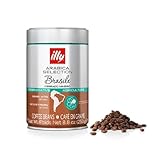
- Explore the individual taste and distinct aroma of each single origin Arabica coffee, found in the legendary illy blend, each highlighting the singular style, culture and flavor of these distinctive geographic region
- Carefully selected and meticulously roasted, illy coffee beans invoke a sensual beauty and poetry in the passionate coffee lover.
- Our unique pressurized coffee packaging preserves the flavor and complexity of the illy blend while enhancing the coffee’s aroma and ensuring optimal freshness.
- Each pressurized can contains 8.8oz of Whole Bean MonoArabica Brazil Single Origin Coffee.
- If you are not completely satisfied with your illy purchase, we will refund your order. No questions asked.
2. Grind your beans right before brewing
What to do: Measure your whole beans and grind them just before you start brewing. Use a burr grinder for consistency.
What “good” looks like: A uniform grind size appropriate for your brew method. For drip, it’s medium. For French press, it’s coarse.
Common mistake: Grinding too much coffee at once and letting it sit, or using a blade grinder which creates inconsistent particle sizes.
3. Heat your filtered water
What to do: Heat filtered water to between 195°F and 205°F.
What “good” looks like: Water that’s hot enough to extract flavor but not boiling. If you don’t have a thermometer, let boiling water sit for about 30 seconds.
Common mistake: Using tap water or brewing with water that’s too hot or too cold.
4. Measure your coffee and water
What to do: Use a scale to measure your coffee grounds and water. A common starting ratio is 1:16 (e.g., 20 grams of coffee to 320 grams of water).
What “good” looks like: Accurate measurements that provide a consistent starting point for your brew.
Common mistake: Guessing amounts or using volume measurements (scoops), which are less precise.
To achieve consistent and precise ratios, a reliable coffee scale is an invaluable tool for any home barista.

- Barista-Level Precision: A 0.1g high-precision sensor with a rapid refresh rate responds instantly to changes in weight, helping you achieve consistent results across espresso, pour over, drip coffee, Chemex, V60, and filter coffee brewing.
- Integrated Brew Timer: A built-in count-up and count-down timer tracks bloom, extraction, and espresso shots. Ideal for dialing in espresso, timing Chemex and V60 pour over recipes, or steeping tea. Auto-shutoff helps preserve battery life between brews.
- Durable Waterproof Silicone Cover: The heat-resistant, dishwasher-safe silicone cover helps protect the coffee scale's spacious 5.25" x 5.25" weighing surface from splashes, spills, and hot equipment. The grooved surface provides added stability and makes cleanup quick and easy.
- Versatile Measurement Options: Quick-tare and 6 unit options make it easy to weigh coffee beans, espresso shots, matcha portions, and more. Choose from g, ml, lb, lb:oz, oz, and fl oz for added flexibility in the kitchen and coffee bar.
- Intuitive Design: A bright dual-color LCD display clearly separates weight and timer readings, while simple controls make daily brewing easy. Includes 3 AAA batteries and is backed by 5 years of coverage, with support from our St. Louis-based team whenever you need a hand.
5. Prepare your brewer and filter
What to do: Rinse your paper filter with hot water to remove paper taste and preheat your brewer. If using a metal filter, make sure it’s clean.
What “good” looks like: A clean brewer and a filter that’s been rinsed to prevent papery flavors.
Common mistake: Forgetting to rinse the filter or using a dirty brewer.
6. Bloom the coffee (for pour-over/drip)
What to do: Pour just enough hot water over the grounds to saturate them, then wait 30 seconds. You’ll see them puff up.
What “good” looks like: A gentle expansion of the coffee bed, releasing trapped CO2.
Common mistake: Skipping the bloom or pouring too much water during this stage, which can lead to uneven extraction.
7. Brew with a controlled pour
What to do: Pour the remaining water slowly and evenly over the grounds, aiming for a consistent flow rate.
What “good” looks like: A steady stream of water that saturates the grounds evenly, creating a nice vortex.
Common mistake: Pouring too fast, too aggressively, or unevenly, which can cause channeling and bitter flavors.
8. Let it drip/steep
What to do: Allow the water to fully pass through the grounds or let the coffee steep for the recommended time (e.g., 4 minutes for French press).
What “good” looks like: The brew process completes without sputtering or draining too quickly/slowly.
Common mistake: Pulling the brew too early or letting it sit too long after brewing (especially with French press, which can over-extract).
9. Serve immediately
What to do: Pour your freshly brewed coffee into your favorite mug right away.
What “good” looks like: A fragrant, flavorful cup of coffee ready to enjoy.
Common mistake: Letting coffee sit on a hot plate for an extended period, which bakes the coffee and makes it bitter.
10. Clean your equipment
What to do: Rinse and clean your brewer, grinder, and any other equipment immediately after use.
What “good” looks like: Clean components free of coffee residue.
Common mistake: Putting off cleaning until later, allowing oils to harden and impact future brews.
Common mistakes (and what happens if you ignore them)
| Mistake | What it causes | Fix |
|---|---|---|
| Using stale, pre-ground coffee | Flat flavor, increased bitterness, lack of aroma | Buy whole beans, check roast date, grind fresh |
| Inconsistent grind size (blade grinder) | Uneven extraction (some grounds over-extracted, some under-extracted), leading to bitterness and sourness | Use a burr grinder for uniform particles |
| Water that’s too hot (above 205°F) | Scorched coffee grounds, resulting in a harsh, burnt bitterness | Use a thermometer or let boiling water cool for 30-60 seconds |
| Water that’s too cold (below 195°F) | Under-extraction, leading to a weak, sour, and sometimes bitter cup | Ensure water is in the optimal temperature range |
| Incorrect coffee-to-water ratio (too much coffee) | Over-extraction of the limited water, resulting in intense bitterness | Use a scale to measure coffee and water accurately (e.g., 1:16 ratio) |
| Not rinsing paper filters | Papery taste transferred to the coffee, which can be perceived as bitterness | Rinse paper filters with hot water before adding grounds |
| Letting coffee sit on a hot plate | Baking the coffee, creating a burnt and acrid bitterness | Serve coffee immediately or use a thermal carafe |
| Dirty brewer or coffee oils | Rancid, bitter flavors contaminating the brew | Clean all brewing equipment thoroughly after each use |
| Over-extraction (brewing too long) | Dissolving too many compounds from the coffee grounds, leading to excessive bitterness | Time your brew and stop when it’s finished extracting |
| Using poor quality tap water | Off-flavors and unwanted tastes in the coffee, which can amplify bitterness | Use filtered or bottled water for a cleaner taste |
Decision rules (simple if/then)
- If your coffee tastes bitter and sour, then your grind might be too coarse or your water too cool, because you’re likely under-extracting.
- If your coffee tastes overwhelmingly bitter and burnt, then your grind might be too fine or your water too hot, because you’re likely over-extracting.
- If your coffee tastes weak and bitter, then your coffee-to-water ratio might be off, possibly using too much coffee for the water, because you’re concentrating the bitterness.
- If your coffee tastes bland and bitter, then your beans might be stale, because old beans lose their desirable flavors and the bitterness becomes more prominent.
- If your coffee has a papery or unpleasant aftertaste, then you probably didn’t rinse your paper filter, because residual paper flavor can be perceived as bitterness.
- If your coffee tastes consistently bad regardless of other factors, then your water quality is suspect, because water makes up most of your brew.
- If your coffee is bitter even when you think you’re doing everything right, then check the cleanliness of your brewer, because old coffee oils are a common culprit.
- If your French press coffee is bitter, then you might be pressing too hard or leaving it to steep too long, because this can over-extract the grounds.
- If your pour-over coffee is bitter, then you might be pouring too fast or unevenly, causing channeling and over-extraction in some spots.
- If your espresso is bitter, then your grind is likely too fine, or your shot is pulling too long, because these lead to over-extraction.
FAQ
How can I make my coffee less bitter without changing my beans?
Focus on your brewing variables. Ensure your grind size is correct for your brewer, use filtered water at the right temperature (195-205°F), and get your coffee-to-water ratio dialed in. Cleaning your equipment is also key.
Is it my coffee maker or my coffee that’s making it bitter?
It could be either, or both. A dirty coffee maker will always make bitter coffee. But even with a clean machine, stale beans, the wrong grind size, or incorrect water temperature can all contribute to bitterness.
What’s the best way to store coffee beans to prevent bitterness?
Store whole beans in an airtight container, away from light, heat, and moisture. Avoid the refrigerator or freezer unless you plan to store them long-term and vacuum-seal them properly, as condensation can be an issue.
Does the type of filter affect bitterness?
Yes. Paper filters generally remove more oils and fines, which can lead to a cleaner cup that’s less prone to bitterness. Metal filters allow more oils and sediment through, which some people enjoy for body, but can also contribute to bitterness if not managed.
How long should coffee steep in a French press to avoid bitterness?
Generally, 4 minutes is a good starting point for steeping time in a French press. Steeping for too long can lead to over-extraction and a bitter taste.
Can adding milk or sugar hide bitterness?
They can mask it, but they don’t fix the underlying problem. While delicious, adding cream and sugar is a way to enjoy coffee that might otherwise be too bitter, rather than a solution to bitterness itself.
What is “channeling” in coffee brewing?
Channeling happens when water finds an easy path through the coffee bed, creating “channels” instead of evenly saturating all the grounds. This leads to uneven extraction, where some parts are over-extracted (bitter) and others are under-extracted (sour).
Is it okay to use cold brew to avoid bitterness?
Cold brew is naturally less bitter because the cold water extracts fewer of the bitter compounds. If you struggle with bitterness in hot coffee, cold brew can be a great alternative, though it’s a different flavor profile.
What this page does NOT cover (and where to go next)
- Specific recommendations for coffee bean origins or roast profiles that are naturally less bitter. (Next: Explore light to medium roasts, or beans from regions known for sweetness.)
- Detailed troubleshooting for specific coffee maker models. (Next: Consult your brewer’s manual or manufacturer’s website.)
- Advanced latte art techniques or milk steaming. (Next: Look for resources on milk frothing and espresso preparation.)
- The science behind coffee extraction and flavor compounds. (Next: Dive into resources on coffee chemistry and sensory analysis.)