
Preparing Traditional Military Coffee
Quick answer
- Use a coarse grind for military coffee, similar to French press.
- Boil water to near-boiling, around 200°F (93°C).
- Combine coffee grounds and hot water directly in a mug or pot.
- Let it steep for 4-5 minutes.
- Strain out the grounds using a sieve, cloth, or by carefully pouring.
- Add milk and sugar to taste, as is customary.
Who this is for
- This guide is for anyone curious about or needing to prepare traditional military coffee, often made under austere conditions.
- It’s for individuals who appreciate a robust, no-frills coffee brewing method that prioritizes simplicity and functionality.
- This is for those who want to understand the historical context and practical application of brewing coffee without specialized equipment.
What to check first
Brewer type and filter type
Traditional military coffee often bypasses typical brewers. The “brewer” is usually a mess kit, canteen cup, or pot. The “filter” is often improvised, ranging from a handkerchief to a dedicated, albeit simple, mesh strainer.
- What to check: What vessel will you use for brewing? What do you have available for straining the grounds?
- Good: A heat-safe container like a metal mug or pot. A fine-mesh sieve or a clean, tightly woven cloth works well for straining.
- Common mistake: Using a vessel that isn’t heat-safe can be dangerous. Relying on a very loose cloth might let too many grounds through.
When preparing military coffee, a heat-safe vessel like a metal canteen cup is ideal for brewing directly. It’s a classic piece of equipment that fits the traditional method perfectly.

- Titanium 1100ml Canteen with secure cap, mess kit combo design with 750ml and 400ml stackable cups. Everything fits into included carrying molle case with removable and adjustable straps.
- Classic Camo Carrying case included for travel and storage of the entire set. Green and black camo carrier can be purchased separately while supplies last. Adjustable straps and front pocket allow greater flexibility on the go.
- Ultra lightweight for camping, bushcraft, cooking, boiling water, reheating and serving food, on the go, hiking, work, gym, home and travel. Titanium canteen with y-strap canteen carrier keeps you hydrated all day long with large capacity canteen bottle and easy access to canteen cap.
- Dimensions: The canteen is 7 1/2” x 5” x 3 and weighs 5.6oz. The 750ml cup is 3 3/4” x 5 1/4” x 3” and weighs 3.7oz. The 400ml cup is 2” x 5 1/4” x 3” and weighs 2.7oz.
- Valtcan Eagle on canteen, and mess kits. Please wash thoroughly with soap and warm water before use. Dishwasher safe. Non coated titanium canteen. Scratched areas around lid and cap are normal with use and safe
Water quality and temperature
The quality of your water directly impacts the taste of your coffee. For military coffee, the goal is hot water, but not necessarily precise temperature control.
- What to check: Is your water potable? Do you have a way to heat it?
- Good: Clean, fresh water is ideal. Bring water to a rolling boil, then let it sit for about 30-60 seconds to cool slightly to around 200°F (93°C). This prevents scorching the coffee grounds.
- Common mistake: Using stale or contaminated water will make any coffee taste bad. Brewing with water that is too cool will result in weak, underdeveloped coffee.
Grind size and coffee freshness
The grind size is crucial for how well the coffee extracts and how easy it is to strain. Freshness impacts flavor.
- What to check: Is your coffee ground? If so, what is the grind size? Is it whole bean you’ll grind yourself?
- Good: A coarse grind, similar to what you’d use for a French press, is best. This allows for easier straining and prevents over-extraction. Freshly ground beans offer the best flavor.
- Common mistake: Using a very fine grind (like for espresso) will lead to muddy, over-extracted coffee that’s difficult to strain. Stale coffee grounds will produce a flat, uninspired cup.
For the best results and easiest straining, opt for a coarse ground coffee, similar to what you’d use for a French press. This ensures a robust flavor without excessive sediment.
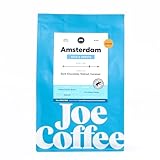
- Rich, sweet, and comforting, Amsterdam is the perfect drip coffee option for those who seek a deeper roast profile.
- We select the components for this coffee for their ability to stand up to a more developed roast, without ever tasting over-roasted or smoky. Instead, we pull out classic notes of chocolate, nut, and toffee.
- One 12 ounce bag
Coffee-to-water ratio
Getting the ratio right ensures a balanced flavor. Military coffee tends to be strong.
- What to check: How much coffee do you have? How much water are you using?
- Good: A common starting point is a ratio of 1:15 to 1:17 (coffee to water by weight). For example, about 2 tablespoons (or 10-12 grams) of coffee per 6 oz (180 ml) of water. Adjust to your preference; many military recipes lean towards a stronger brew.
- Common mistake: Using too little coffee will result in weak coffee. Using too much can lead to bitterness and waste.
Cleanliness/descale status
Even in the field, cleanliness matters for taste and hygiene.
- What to check: Are your brewing vessel and straining tools clean?
- Good: Ensure all equipment is free of old coffee residue or dirt. A quick rinse with hot water is often sufficient if soap isn’t available.
- Common mistake: Brewing in a dirty pot or with a stained strainer will impart off-flavors and can be unhygienic.
Step-by-step (brew workflow)
If you prefer a slightly more controlled brewing process while still keeping it simple, a compact camping coffee maker can also be adapted for this method, ensuring a good steep.

- Flavor, Hate boring, cold coffee? We do too! Our huge capacity coffee press is vacuum-layered and double-filtered to bring you a flavor more full than your email inbox. Oh yeah, you even get a mini canister for storing your next caffeine hit
- Keep it steamy, the stainless steel french press keeps coffee (or tea) warm 60 minutes longer than glass coffee presses! It also has a cool-touch handle and a spring-loaded, double-screen filter that will deliver one mean and clean cup of joe
- Professional grade in every way, This insulated french press brewer is tough, durable and rust proof. Unlike glass, it won’t break when you drop it (but your floor might need some attention). Your search for coffee that makes you smile ends here
- Unique & next level design, The coffee french press is uniquely designed to keep sediment out of your cup while letting the delicious coffee oils into it. This results in a richer, full-bodied brew that will leave you grinning from ear to ear
- A thoughtful gift, Do you know someone who camps a lot or spends their mornings out on the lake? This camping french press is a practical device that can brew them up some camping coffee and provide what few gifts can... convenience
1. Heat the water: Bring your water to a rolling boil in a pot or kettle.
- What “good” looks like: Vigorous bubbling indicates the water is boiling.
- Common mistake: Boiling water for too long can reduce oxygen content, affecting taste. Avoid this by letting it rest for 30-60 seconds after boiling.
2. Prepare your coffee: Measure out your coffee grounds. A coarse grind is ideal.
- What “good” looks like: Grounds are visibly large, not powdery.
- Common mistake: Using a fine grind will create a silty, bitter brew and make straining difficult.
3. Add coffee to vessel: Place the measured coffee grounds into your heat-safe brewing vessel (e.g., canteen cup, pot).
- What “good” looks like: Grounds are settled at the bottom of the vessel.
- Common mistake: Not having enough space in the vessel for the water and grounds to mix.
4. Pour hot water: Carefully pour the hot (not boiling) water over the coffee grounds.
- What “good” looks like: The water saturates all the grounds evenly.
- Common mistake: Pouring too quickly can cause grounds to splash out or not saturate evenly.
5. Stir gently: Give the mixture a gentle stir to ensure all grounds are wet.
- What “good” looks like: A uniform coffee and water mixture.
- Common mistake: Over-stirring can agitate the grounds excessively, leading to bitterness.
6. Let it steep: Allow the coffee to steep for 4-5 minutes.
- What “good” looks like: The coffee is brewing and developing color and aroma.
- Common mistake: Steeping for too short a time results in weak coffee; too long can lead to bitterness.
7. Prepare for straining: Position your chosen straining method (sieve, cloth) over your drinking mug.
- What “good” looks like: The strainer is securely in place, ready to catch grounds.
- Common mistake: Not having a secure setup can lead to spills and grounds in your cup.
8. Strain the coffee: Slowly and carefully pour the brewed coffee through the strainer into your mug.
- What “good” looks like: Liquid coffee flows into the mug, leaving most grounds behind.
- Common mistake: Pouring too fast can overwhelm the strainer, pushing grounds through.
9. Discard grounds: Carefully remove and discard the used coffee grounds.
- What “good” looks like: The strainer is emptied cleanly.
- Common mistake: Leaving grounds in the strainer can make it hard to clean and might attract pests.
10. Add enhancements: Add milk and sugar to your taste.
- What “good” looks like: Coffee is at your desired sweetness and creaminess.
- Common mistake: Adding too much milk or sugar can overpower the coffee flavor.
Common mistakes (and what happens if you ignore them)
| Mistake | What it causes | Fix |
|---|---|---|
| Using a fine grind | Silty coffee, bitter taste, difficult to strain | Use a coarse grind, similar to French press. |
| Using water that’s too hot (boiling) | Scorched coffee grounds, bitter and harsh flavor | Let boiled water cool for 30-60 seconds before pouring. |
| Using stale or poor-quality water | Flat, unpleasant taste, off-flavors | Use fresh, clean water. |
| Insufficient steeping time | Weak, watery coffee with underdeveloped flavor | Steep for 4-5 minutes. |
| Over-steeping time | Bitter, astringent, and harsh coffee | Stick to the recommended 4-5 minute steep time. |
| Improper coffee-to-water ratio (too little) | Watery, weak coffee with little flavor | Use a ratio of about 1:15 to 1:17 (coffee to water by weight). |
| Improper coffee-to-water ratio (too much) | Overly strong, bitter, and potentially undrinkable coffee | Adjust to your taste; start with a balanced ratio and refine. |
| Brewing in dirty equipment | Off-flavors, metallic taste, unhygienic | Thoroughly clean all brewing and straining equipment. |
| Pouring too aggressively during straining | Grounds bypass the strainer into your cup | Pour slowly and steadily to allow the strainer to work effectively. |
| Not letting boiled water rest | Burnt taste from grounds being scalded | Allow water to cool slightly after boiling. |
Decision rules (simple if/then)
- If your coffee tastes bitter, then you likely over-steeped or used water that was too hot, because these conditions extract undesirable compounds.
- If your coffee tastes weak, then you likely used too little coffee or didn’t steep it long enough, because insufficient grounds or time lead to under-extraction.
- If you have fine grounds, then use a more robust straining method like a tightly woven cloth or multiple passes through a sieve, because fine grounds are harder to catch.
- If you are using a metal mug, then ensure it is rated for high heat and has a handle to avoid burns, because direct contact with hot metal can cause injury.
- If you have whole beans, then grind them just before brewing for the best flavor, because pre-ground coffee loses its aroma and taste quickly.
- If your water source is questionable, then boil it thoroughly and allow it to cool, because boiling kills most harmful microorganisms.
- If you want a stronger brew, then increase the amount of coffee grounds slightly, because more coffee-to-water ratio leads to a more concentrated flavor.
- If your coffee has a muddy texture, then your grind is likely too fine or your straining method is inadequate, because coarse grounds and effective straining are key.
- If you are brewing for multiple people, then use a larger pot and scale up your ingredients proportionally, because consistent ratios are important for good flavor.
- If you are in a situation without a dedicated strainer, then a clean handkerchief or bandana folded multiple times can work, because improvisation is often necessary.
- If you notice an off-flavor, then check the cleanliness of your brewing vessel and water source, because these are the most common culprits for bad taste.
FAQ
What is traditional military coffee?
Traditional military coffee, often called “cowboy coffee” or “field coffee,” is a simple method of brewing coffee by steeping grounds directly in hot water, then straining out the solids. It’s known for its practicality and ability to be made with minimal equipment.
Why is a coarse grind important for military coffee?
A coarse grind is essential because it makes the coffee grounds easier to strain out of the hot liquid. It also helps prevent over-extraction, which can lead to a bitter taste, especially when brewing without precise temperature control.
Can I use instant coffee instead?
Yes, you can use instant coffee. If you use instant coffee, you simply stir the granules into hot water until dissolved, and no straining is required. However, this guide focuses on brewing with ground coffee for the traditional method.
How do I avoid grounds in my coffee?
To avoid grounds, use a coarse grind and steep for the recommended time. When straining, pour slowly and steadily through a fine-mesh sieve or a clean cloth. Gently tapping the strainer can also help dislodge grounds.
What if I don’t have a strainer?
If you lack a dedicated strainer, you can improvise. A clean bandana or handkerchief folded several times and held taut over your mug can serve as a filter. Alternatively, you can let the grounds settle to the bottom of the pot and carefully pour off the liquid, leaving the sediment behind.
How strong should military coffee be?
Military coffee is often brewed strong, as it’s meant to be a robust pick-me-up. The traditional method allows for a strong brew by using a higher coffee-to-water ratio and allowing for good extraction. You can adjust the ratio to your personal preference.
Is it okay to boil the coffee grounds with the water?
It’s generally better to let the water cool slightly after boiling before adding it to the grounds. Boiling water can scorch the coffee, leading to a burnt or bitter taste. Aim for water around 200°F (93°C).
What this page does NOT cover (and where to go next)
- Specific military unit coffee brewing traditions or specialized equipment. For more on this, research historical military field manuals or unit histories.
- Advanced brewing techniques like pour-over, espresso, or cold brew. Explore dedicated guides on these methods for detailed instructions.
- Detailed analysis of coffee bean varietals and their impact on flavor profiles. For this, consult coffee expert resources or roaster guides.
- Recipes for flavored military coffee or additions beyond milk and sugar. Look into coffee recipe books or online culinary sites.