
Making Whipped Coffee From Pre-Brewed Coffee
Quick answer
- Yes, you can make whipped coffee with pre-brewed coffee, but it’s not ideal.
- Instant coffee is the key ingredient for the classic “dalgona” or whipped coffee.
- Pre-brewed coffee lacks the specific soluble compounds that create the stable foam.
- You’ll get a foamy, lighter texture, but not the stiff, glossy peaks of true dalgona.
- For the best results, stick to instant coffee.
- If you must use pre-brewed, make it strong and cold.
Who this is for
- Anyone who’s seen the whipped coffee trend and wants to try it.
- Home baristas looking for quick, easy coffee recipes.
- People who have leftover strong coffee and want to experiment.
What to check first
Brewer type and filter type
This matters less for making whipped coffee, but it’s good practice for any coffee. A clean brewer and the right filter mean good coffee to start with. For whipped coffee, we’re talking about a base, so even a basic drip machine is fine. Just make sure it’s clean.
Water quality and temperature
If you’re using pre-brewed coffee, the water quality and temperature were already handled. But for the actual whipped coffee, cold water is best. Hot water can break down the delicate foam.
Grind size and coffee freshness
Again, this applies more to brewing your base coffee. If you’re using pre-brewed, you’re past this stage. But if you’re brewing fresh coffee to try to make whipped coffee, use a medium grind for drip. Freshly ground beans are always better.
Coffee-to-water ratio
For a strong base coffee, you’ll want to use a higher coffee-to-water ratio than usual. Think double strength, maybe even triple. This gives you more coffee solids to work with, though it won’t replicate instant coffee.
Cleanliness/descale status
This is crucial. Any gunk in your brewer or whisking tools will mess with the foam. Make sure everything is spotless. A clean bowl and whisk are non-negotiable.
Step-by-step (brew workflow)
This workflow assumes you’re trying to make a whipped coffee style drink using pre-brewed coffee as a base, not true dalgona.
1. Brew a very strong batch of coffee.
- What to do: Use double or triple the amount of coffee grounds you normally would for the amount of water.
- What “good” looks like: A dark, concentrated liquid. It should taste very intense.
- A common mistake and how to avoid it: Using regular strength coffee. This won’t have enough body to whip well. Use more grounds, less water.
2. Chill the strong coffee.
- What to do: Pour the hot coffee into a heat-safe container and refrigerate until it’s cold. Very cold is best.
- What “good” looks like: The coffee should feel cold to the touch, almost icy.
- A common mistake and how to avoid it: Trying to whip warm or hot coffee. It will just be weak and airy, not foamy. Patience is key here.
3. Gather your “whipping” ingredients.
- What to do: You’ll need your cold, strong pre-brewed coffee, a sweetener (like sugar or syrup), and optionally, a little cold water.
- What “good” looks like: Everything is measured out and ready to go.
- A common mistake and how to avoid it: Not having sweetener. Whipped coffee needs sweetness to stabilize and taste good.
4. Combine ingredients in a bowl.
- What to do: In a clean, medium-sized bowl, combine about 2-3 tablespoons of your cold, strong coffee with 2-3 tablespoons of sugar or your preferred sweetener. Add a splash (maybe 1 teaspoon) of cold water if you like.
- What “good” looks like: A thick, syrupy mixture.
- A common mistake and how to avoid it: Using too much water. This will make it harder to whip. Start with less.
5. Start whipping.
- What to do: Using an electric hand mixer or a whisk, begin whipping the mixture. If using a whisk, be prepared for a workout.
- What “good” looks like: The mixture will start to lighten in color and get slightly thicker.
- A common mistake and how to avoid it: Giving up too soon. It takes time and effort.
For an easier time, consider using an electric hand mixer. This coffee mixer can help you achieve that perfect foamy texture with less effort.
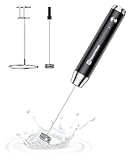
- One-button Operated Design: One press to start the whisking and another press to stop frothing. Just place the LunaFro handheld milk frother’s whisk into the container with milk or other liquid food, then press the button to make milk foam, and press the button again to stop working. It’s effortless to clean. Only put the mixing head into water or soapy water, and then press the button to let eddy water current clean it completely.
- USB-C Rechargeable for Long Battery Life: Unlike other battery-operated milk frother, this rechargeable milk frother has a built-in 1200mAh lithium battery, so there is no need to replace the battery frequently. This rechargeable foam maker can be fully charged about 3 hours for 2-3 months using(including USB-C charging cable). The white light flashes slowly when charging, and turns off after being fully charged.
- Make Rich Creamy Forth in Seconds: This ingenious drink mixer is powerful with high-powered turbo engine(8000±10%RPM), so it can get smooth and creamy forth in 15 seconds. If you are a morning coffee lover then using this delicate foam maker will be the fastest way to get you velvety smooth milk foam on the top of coffee in the busy morning.
- Stylish and Versatile: This LunaFro electric milk frother is compact and styled. The lightweight and portable design is convenient for you to carry out anywhere and help you enjoy special taste of froth up lattes, matcha, cappuccino, and hot chocolate. In addition to fancy coffee drinks, other medications and powdered supplements can be mixed into beverages easily such as protein. It’s effortless for you to use it to mix milkshakes, frappe and other mixed drinks.
- Cleaning and Storage is a Breeze: Coming with two frothing whisks, the whisk can be replaced easily in case you lost one of it. It’s also a cinch to clean. Just easily remove the attachment, and then place the whisk in water to wash it. There is a compact stainless steel stand for easy and accessible storage.
6. Whip until foamy.
- What to do: Continue whipping vigorously. You’re looking for a lighter, frothy consistency.
- What “good” looks like: A foamy, airy texture that holds some shape but is still quite soft. Think soft-serve ice cream texture.
- A common mistake and how to avoid it: Over-whipping (though this is harder with pre-brewed coffee). You won’t get stiff peaks like with instant coffee.
7. Prepare your serving glass.
- What to do: Fill a glass with ice. Pour your milk of choice (dairy or non-dairy) over the ice, leaving some room at the top.
- What “good” looks like: A glass ready for the whipped topping.
- A common mistake and how to avoid it: Not chilling the milk or using room temperature milk. Cold is key.
8. Top with the whipped coffee mixture.
- What to do: Spoon or dollop the whipped coffee foam on top of the milk.
- What “good” looks like: A nice contrast between the dark foam and the white milk.
- A common mistake and how to avoid it: Mixing it all in immediately. Let it sit for a moment to appreciate the layers.
9. Stir and enjoy.
- What to do: Stir the whipped topping into the milk to combine.
- What “good” looks like: A creamy, sweetened coffee drink.
- A common mistake and how to avoid it: Not stirring enough. You want the sweetness and coffee flavor distributed.
Common mistakes (and what happens if you ignore them)
| Mistake | What it causes | Fix |
|---|---|---|
| Using regular strength pre-brewed coffee | Weak, watery foam that collapses quickly. | Brew your coffee extra strong (2-3x normal strength). |
| Using warm or hot coffee | Foam will be thin and airy, not stable or frothy. | Chill your brewed coffee thoroughly before attempting to whip. |
| Not enough sweetener | Foam won’t stabilize as well and will taste bitter. | Use at least equal parts sweetener to coffee, or more if you prefer it sweeter. |
| Too much water in the whipping mix | Makes the mixture too thin, harder to whip. | Start with a very small amount of cold water, or none at all, if the coffee is already thin. |
| Not whipping long enough | Foam will be loose and won’t hold its shape. | Keep whipping until it’s visibly lighter, thicker, and holds soft peaks. |
| Using dirty equipment | Foam might not form properly, can affect taste. | Ensure your bowl and whisk/mixer attachments are clean and dry. |
| Not chilling the milk base | Warm milk makes the whole drink less refreshing. | Always use cold milk and plenty of ice for the best experience. |
| Expecting true dalgona peaks | Disappointment. Pre-brewed coffee won’t achieve this. | Understand you’re making a <em>foamy</em> coffee drink, not the stiff, glossy dalgona. Enjoy it for what it is. |
Decision rules (simple if/then)
- If you want the classic, stiff-peaked whipped coffee, then you need instant coffee because pre-brewed coffee lacks the necessary soluble solids.
- If you are determined to use pre-brewed coffee, then make it extremely strong and very cold because this gives you the best chance for a foamy texture.
- If your whipped coffee mixture is too thin, then add a tiny bit more sweetener and keep whipping because sugar helps with stabilization.
- If you are whisking by hand, then be prepared for a significant arm workout because it takes a lot of effort to get any kind of foam.
- If you want a sweeter whipped coffee, then add more sweetener during the whipping stage because it’s hard to add it effectively later.
- If you notice your foam is collapsing quickly, then it’s likely because the coffee wasn’t strong enough or cold enough.
- If you’re using an electric mixer, then start on a low speed and gradually increase to medium-high because this prevents splattering.
- If you want to try a variation, then consider adding a dash of vanilla extract to the whipping mixture for extra flavor.
- If the whipped coffee isn’t forming any foam at all, then check if your coffee was truly cold and if you used enough sweetener.
- If you’re serving immediately, then spoon the foam on top right away for the best visual appeal.
FAQ
Can I use decaf pre-brewed coffee?
Yes, you can use decaf pre-brewed coffee. The caffeine content doesn’t impact the ability to whip the coffee, but the strength and temperature of the brew are still the most important factors.
How long will the whipped coffee foam last?
The foam made from pre-brewed coffee will likely be less stable than true dalgona. It might start to deflate within 10-20 minutes, especially if the base coffee wasn’t strong enough.
What’s the difference between this and real dalgona coffee?
The main difference is the ingredient used for whipping. Dalgona coffee uses instant coffee granules, which have soluble compounds that create a stable, stiff foam. Pre-brewed coffee lacks these specific compounds.
Can I use espresso as my pre-brewed coffee?
You could try using very strong, chilled espresso, but it’s still not ideal. Espresso has a different composition than instant coffee, and you’ll likely get a lighter, less stable foam compared to using instant coffee.
What kind of sweetener works best?
Granulated sugar is traditional and works well. You can also use brown sugar for a slight caramel note, or a simple syrup for easier mixing. Avoid powdered sugar, as it can make the mixture gummy.
My whipped coffee is too bitter. What did I do wrong?
This usually means you didn’t use enough sweetener. Whipped coffee relies on a good balance of coffee, sweetness, and texture. Try adding more sweetener next time or stirring it in more thoroughly.
Can I make the whipped topping ahead of time?
It’s best to make the whipped topping just before serving. Since it’s less stable with pre-brewed coffee, it will likely deflate if left sitting for too long.
What if I don’t have an electric mixer?
You can use a manual whisk, but it will require considerable effort and time. Aim for a strong, steady whisking motion. It might take 10-15 minutes or more of vigorous whisking.
What this page does NOT cover (and where to go next)
- Making true Dalgona Coffee: This page focuses on using pre-brewed coffee. For the classic recipe, you’ll need instant coffee.
- Advanced espresso techniques: If you’re looking to dive deep into espresso extraction and milk steaming, explore resources dedicated to that.
- Cold brew methods: Cold brew is a different process that results in a smooth, less acidic coffee concentrate.
- Pour-over coffee science: Understanding the nuances of water flow, bloom, and extraction for pour-over methods is a whole other journey.