
Making Thai Tea Using a Coffee Maker
Quick answer
- Yes, you can make a simplified version of Thai tea using a standard drip coffee maker.
- You’ll need loose-leaf Thai tea, a coffee filter, and your coffee maker.
- The process involves brewing a strong tea concentrate instead of coffee.
- Adjust the tea-to-water ratio for desired strength and flavor.
- Sweeten and add condensed milk or other dairy alternatives after brewing for authentic taste.
- Be prepared for a different flavor profile than traditionally steeped Thai tea.
Who this is for
- Coffee lovers who want to experiment with different beverages using their existing equipment.
- Those curious about making Thai tea at home but don’t have traditional brewing tools like a tea strainer or saucepan.
- Busy individuals looking for a quick and convenient way to enjoy a flavored tea.
What to check first
Brewer type and filter type
Ensure your coffee maker is a standard drip model. This method relies on hot water passing through grounds (in this case, tea leaves) into a carafe. You’ll need standard paper coffee filters or a reusable mesh filter compatible with your machine. If you have a single-serve brewer, this method will likely not work.
Water quality and temperature
Use fresh, filtered water for the best flavor. Tap water with strong mineral or chlorine tastes can negatively impact your Thai tea. Your coffee maker heats the water to an appropriate brewing temperature, typically between 195°F and 205°F, which is suitable for extracting flavor from tea leaves.
Grind size and coffee freshness
For this application, you’ll be using loose-leaf Thai tea. The ideal “grind” size for a coffee maker is a medium grind. If your Thai tea is too finely ground (like powder), it can clog the filter and result in over-extraction or a muddy brew. If it’s too coarse, the water will pass through too quickly, leading to weak tea. Ensure your Thai tea leaves are relatively fresh for the most vibrant flavor.
Coffee-to-water ratio
This is crucial for strength. For a standard 12-cup coffee maker, you’ll likely want to use significantly more tea than you would coffee. A good starting point is to fill the filter basket with loose Thai tea leaves to about half or two-thirds full, depending on how strong you like it. This is a much higher tea-to-water ratio than you’d use for coffee.
Cleanliness/descale status
A clean coffee maker is essential. Old coffee residue or mineral buildup can impart off-flavors to your Thai tea. Run a cleaning cycle with water or a descaling solution if it’s been a while since your last clean. A clean brew basket and carafe are vital for a pure tea taste.
Step-by-step (brew workflow)
1. Gather your ingredients: You’ll need loose-leaf Thai tea (often available at Asian markets or online), your drip coffee maker, and a paper or reusable coffee filter.
- What “good” looks like: Everything is ready and within reach.
- Common mistake: Forgetting to buy Thai tea leaves.
- How to avoid it: Double-check your pantry before starting.
For this recipe, you’ll want to grab a good quality Thai tea mix, which you can easily find online. This specific blend is known for its authentic flavor.
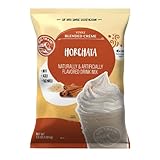
- Big Train Vivaz Horchata Blended Crème Mix: A sweet, horchata mix that you can sip in an instant. Just add water! Drink hot, cold, or blended with ice for a frozen horchata that you can create right at home
- Wherever Beverages Are Served: Big Train Vivaz Horchata Blended Crème Mix is ideal for home and office kitchens, cafés, coffeeshops & restaurants. Our drink mix makes it easy to enjoy blended coffee wherever you are - just add water, ice and blend
- Blend, Pour, Serve: Big Train mixes make it easy to serve up delicious drinks. From our variety of chai lattes, to our blended crème and coffee frappes, Big Train provides quick to prepare beverage solutions for coffee shops, restaurants and at home
- Try Every Flavor: Our entire line is crave-worthy. Seasonal delights like Spiced or Vanilla Chai Tea Lattes, classic Blended Ice Coffee, kid-friendly and more – Big Train mixes come in all kinds of on-trend flavors to satisfy any kind of appetite
- Big Train Quality: Better beverages are a blend away. For over 30 years, Big Train has made it easy to provide high quality beverages made with people and the planet in mind. We're committed to consistency and sustainability in each mix we create
2. Prepare the coffee maker: Place a clean paper filter or your reusable filter into the brew basket.
- What “good” looks like: The filter is seated correctly and securely.
- Common mistake: Not using a filter, or using a torn filter.
- How to avoid it: Inspect the filter for damage before placing it, and ensure it’s the correct size for your machine.
3. Add the Thai tea leaves: Fill the brew basket with the loose Thai tea leaves. A good starting point is to fill it about halfway to two-thirds full for a strong brew. You can adjust this amount later based on your taste.
- What “good” looks like: The tea leaves are evenly distributed in the filter.
- Common mistake: Overfilling the basket, which can cause overflow.
- How to avoid it: Leave some space at the top of the basket for water to circulate.
4. Add water to the reservoir: Fill the coffee maker’s water reservoir with fresh, filtered water. Use the amount of water that corresponds to the strength you desire for your tea concentrate. For a strong brew, you might use less water than you typically would for coffee, aiming for a concentrated output.
- What “good” looks like: The water level is clearly visible and within the recommended range.
- Common mistake: Using old or tap water with a strong taste.
- How to avoid it: Always use fresh, filtered water for the best flavor extraction.
5. Start the brewing cycle: Turn on your coffee maker and let it run as if you were brewing coffee. The hot water will drip through the tea leaves.
- What “good” looks like: The machine is operating normally, and liquid is dripping into the carafe.
- Common mistake: Forgetting to turn the machine on or forgetting to place the carafe.
- How to avoid it: Ensure the carafe is properly seated on the warming plate before starting.
6. Allow brewing to complete: Let the entire brewing cycle finish. This ensures maximum flavor extraction from the tea leaves.
- What “good” looks like: The dripping has stopped, and the carafe contains a dark liquid.
- Common mistake: Stopping the brew cycle too early, resulting in weak tea.
- How to avoid it: Wait until the coffee maker indicates the cycle is complete or the dripping has ceased.
7. Remove the brew basket: Once brewing is complete, carefully remove the brew basket containing the spent tea leaves.
- What “good” looks like: The basket is removed without spilling.
- Common mistake: Leaving the spent tea leaves in the basket for too long, which can lead to mold or stale odors.
- How to avoid it: Dispose of the tea leaves immediately after brewing.
8. Serve the tea concentrate: Pour the hot, concentrated Thai tea from the carafe into your serving glasses.
- What “good” looks like: You have a dark, aromatic liquid ready for customization.
- Common mistake: Drinking the concentrate as-is.
- How to avoid it: This is a concentrate; it needs to be diluted and sweetened.
9. Dilute and sweeten: Add hot water to dilute the concentrate to your desired strength. Then, stir in sugar or sweetener to taste.
- What “good” looks like: The tea is now at a drinkable strength and sweetness.
- Common mistake: Not diluting enough, leading to an overly bitter or strong taste.
- How to avoid it: Start by adding a small amount of hot water, taste, and add more as needed.
10. Add dairy (optional but traditional): For authentic Thai tea flavor, stir in sweetened condensed milk and/or evaporated milk. You can also use non-dairy alternatives like coconut milk or oat milk.
- What “good” looks like: The tea has a creamy texture and the characteristic rich, orange hue.
- Common mistake: Using regular milk, which can curdle in hot tea.
- How to avoid it: Use sweetened condensed milk and evaporated milk, or opt for shelf-stable non-dairy milks.
11. Chill and serve: Serve the Thai tea over ice.
- What “good” looks like: A refreshing, chilled beverage.
- Common mistake: Serving it hot when it’s meant to be a cold drink.
- How to avoid it: Fill your serving glass generously with ice before pouring the prepared tea.
Common mistakes (and what happens if you ignore them)
| Mistake | What it causes | Fix |
|---|---|---|
| Using too little Thai tea | Weak, watery tea with little flavor or color. | Increase the amount of loose tea leaves in the filter basket. |
| Using too much Thai tea | Bitter, overpowering tea that may clog the filter and overflow. | Reduce the amount of loose tea leaves. Ensure the basket isn’t packed too tightly. |
| Using finely ground tea | Clogged filter, slow dripping, over-extraction leading to bitterness. | Use a medium grind or coarser loose-leaf tea. Check your tea packaging for recommended grind size. |
| Using stale or low-quality tea | Dull flavor, lack of vibrant color, and an unappealing aroma. | Purchase fresh, reputable loose-leaf Thai tea. Store it properly in an airtight container. |
| Not cleaning the coffee maker | Off-flavors from old coffee residue or mineral buildup affecting the tea. | Run a descaling cycle or brew a vinegar/water solution, followed by plain water rinses. |
| Using unfiltered tap water | Metallic or chemical tastes that mask the tea’s flavor. | Use filtered or bottled water for brewing. |
| Not diluting the concentrate | Extremely strong, bitter, and unpleasant taste. | Add hot water gradually until the desired strength is reached. |
| Skipping the sweetening and dairy | A plain, unsweetened, and uncreamy tea that doesn’t resemble Thai tea. | Add sugar/sweetener and condensed/evaporated milk (or alternatives) to taste. |
| Using regular milk in hot tea | Curdled milk, creating an unappetizing texture and appearance. | Use sweetened condensed milk, evaporated milk, or non-dairy alternatives. |
| Brewing too short | Incomplete flavor extraction, resulting in a weak and pale tea. | Allow the coffee maker to complete its full brewing cycle. |
Decision rules (simple if/then)
- If the tea tastes too weak, then add more Thai tea leaves next time because the ratio of tea to water was too low.
- If the tea tastes bitter, then use less Thai tea or a coarser grind because it’s likely over-extracted.
- If the water drains very slowly or overflows, then use less tea or a coarser grind because the filter is likely clogged.
- If the brewed tea is pale and flavorless, then check the freshness of your tea leaves and ensure you’re using enough because older tea or insufficient quantity will result in a weak brew.
- If the tea has an off-flavor, then clean your coffee maker thoroughly because residue can impart undesirable tastes.
- If you prefer a sweeter drink, then add more sugar or condensed milk because sweetness is a key component of Thai tea.
- If you want a creamier texture, then add more condensed milk or evaporated milk because these provide the characteristic richness.
- If you’re out of condensed milk, then use a non-dairy creamer like coconut milk or oat milk because they can mimic the creamy texture.
- If the tea is too concentrated after brewing, then add more hot water to dilute it because you can always adjust the strength post-brew.
- If you notice mineral deposits in your coffee maker, then descale it before brewing because mineral buildup affects water temperature and taste.
- If you want a more authentic flavor, then consider adding a pinch of star anise or cardamom to the tea leaves before brewing, as these are common Thai tea spices.
- If you find the brewing process too slow, ensure your tea is not packed too densely in the filter basket because airflow is important for proper extraction.
FAQ
Can I use tea bags instead of loose-leaf Thai tea?
While you can technically use tea bags, it’s not ideal for this method. You’d need a very large number of tea bags to achieve a strong enough brew, and they might not fit well in a standard coffee filter basket. Loose leaves offer better control over the concentration.
What kind of Thai tea should I buy?
Look for “Thai tea mix” or loose-leaf Thai tea specifically designed for brewing. These blends often contain black tea, star anise, cardamom, and sometimes food coloring (like Red #40) for that signature orange hue.
When you’re shopping, look for ‘Thai tea mix’ or loose-leaf Thai tea powder. This particular Thai tea powder is a popular choice for its vibrant color and taste.

- Bag of 10 sachets
- Ready to drink Thai Tea Mix
- Authentic Taste
How do I make it less sweet?
You can reduce the amount of sugar or condensed milk added. Alternatively, you can dilute the concentrate with more water before adding sweeteners, giving you more control over the sweetness level.
Can I use a French press instead of a coffee maker?
Yes, a French press is a much more traditional and often preferred method for brewing strong tea like Thai tea. You would steep the leaves directly in hot water in the press, then plunge. This method generally yields a richer flavor.
What’s the difference between using a coffee maker and traditional steeping?
A coffee maker uses a drip method, which can be less efficient at extracting the full flavor profile compared to steeping loose leaves directly in hot water for an extended period, as done in traditional methods. The coffee maker method is a shortcut.
Is the orange color natural?
Often, the vibrant orange color of Thai tea comes from food coloring added to the tea blend. Some natural blends might achieve a reddish-orange hue from spices like annatto, but the bright orange is usually artificial.
Can I make iced Thai tea with this method?
Absolutely. Once you’ve brewed and sweetened your tea concentrate, dilute it to your liking, add your preferred dairy, and then pour it over a glass full of ice.
How much tea should I use for a full pot?
For a standard 12-cup coffee maker, start by filling the filter basket about halfway to two-thirds full with loose Thai tea leaves. You can adjust this amount up or down in future brews based on your preference for strength.
What this page does NOT cover (and where to go next)
- Detailed explanations of specific Thai tea spice profiles (e.g., the exact role of star anise vs. cardamom).
- Comparisons of different brands of Thai tea mix or loose-leaf tea.
- Advanced brewing techniques for achieving the most authentic Thai tea flavor, such as using a muslin bag or a traditional Thai tea strainer.
- Recipes for other Thai beverages or desserts that use Thai tea as an ingredient.
- Information on the history and cultural significance of Thai tea.