
Making Regular Coffee Decaffeinated
Quick Answer
- You can’t truly “make” regular coffee decaf at home.
- Decaffeination is a complex industrial process.
- It’s done to the beans before roasting and grinding.
- The goal is to remove caffeine while preserving flavor.
- If you want decaf coffee, buy decaf beans.
- Don’t try to remove caffeine from brewed coffee; it’s not feasible.
If you’re looking for decaf coffee, your best bet is to simply buy decaffeinated beans. The decaffeination process is done industrially before roasting.
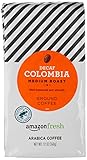
- Balanced, full-bodied medium roast with a smooth finish
- One 12-ounce bag of ground coffee
- Decaffeinated
- 100% Arabica coffee grown in Colombia
- Roasted and packed in the U.S.A.
Who This Is For
- Folks who love coffee but need to cut back on caffeine.
- Home brewers curious about the decaf process.
- Anyone who mistakenly believes they can decaffeinate brewed coffee at home.
What to Check First
This section is a bit of a trick question, honestly. Since you can’t make regular coffee decaf at home, there aren’t really brewing factors to check for that specific goal. However, if you’re brewing decaf coffee and want it to taste great, here’s what matters:
Brewer Type and Filter Type
- What it is: Your coffee maker (drip, pour-over, French press, etc.) and the filter you use (paper, metal, cloth).
- What “good” looks like: The brewer and filter should be clean and appropriate for the coffee you’re brewing. A paper filter usually means a cleaner cup, while a metal filter lets more oils through for a richer body.
- Common mistake: Using a filter that’s too fine for your grind, or a brewer that’s not suited for the coffee type. This can lead to over-extraction or under-extraction.
Water Quality and Temperature
- What it is: The stuff you put in your coffee maker and how hot it gets.
- What “good” looks like: Filtered water is best. For brewing, aim for water between 195°F and 205°F. Too hot, and you scorch the grounds. Too cool, and you won’t extract enough flavor.
- Common mistake: Using tap water that tastes funky, or letting your water boil and then trying to brew.
Grind Size and Coffee Freshness
- What it is: How finely or coarsely you grind your decaf beans, and how recently they were roasted.
- What “good” looks like: Grind size should match your brew method. Coarse for French press, medium for drip, fine for espresso. Freshly roasted beans (within a few weeks of roast date) are key for flavor.
- Common mistake: Using pre-ground coffee that’s been sitting around forever, or grinding too fine for a drip machine. It’s like trying to build a house with sawdust.
Coffee-to-Water Ratio
- What it is: The balance between your decaf coffee grounds and the amount of water you use.
- What “good” looks like: A common starting point is a 1:15 to 1:18 ratio (e.g., 1 gram of coffee to 15-18 grams of water). This usually translates to about 1-2 tablespoons of coffee per 6 oz of water.
- Common mistake: Guessing. Too little coffee means weak, watery brew. Too much means bitter, over-extracted coffee.
Cleanliness/Descale Status
- What it is: How clean your coffee maker is, inside and out. Descaling removes mineral buildup.
- What “good” looks like: A clean machine brews clean-tasting coffee. No old grounds, no oily residue. Descale regularly, especially if you have hard water.
- Common mistake: Neglecting cleaning. Old coffee oils go rancid and make even the best decaf beans taste like dirt.
Step-by-Step: Brewing Great Decaf Coffee
Since we can’t make regular coffee decaf, let’s focus on brewing decaf coffee properly. This assumes you’ve bought decaf beans.
1. Start with Fresh Decaf Beans:
- What to do: Buy whole decaf beans that have a recent roast date.
- What “good” looks like: Beans that smell fresh, not stale.
- Common mistake: Buying pre-ground decaf or beans with no roast date. Avoid this.
2. Grind Your Beans:
- What to do: Grind your decaf beans just before brewing. Use a burr grinder for consistency. Match grind size to your brewer.
- What “good” looks like: Evenly sized particles. Medium grind for drip, coarse for French press.
- Common mistake: Using a blade grinder, which chops beans unevenly, leading to inconsistent extraction.
3. Heat Your Water:
- What to do: Heat filtered water to between 195°F and 205°F.
- What “good” looks like: Water that’s hot but not boiling. A kettle with temperature control is handy.
- Common mistake: Using boiling water, which can burn the coffee grounds and make them taste bitter.
4. Prepare Your Brewer:
- What to do: Rinse paper filters with hot water to remove papery taste. Ensure your French press or other brewer is clean.
- What “good” looks like: A clean brewing device and a filter that’s ready to go.
- Common mistake: Forgetting to rinse the paper filter. You’ll taste it.
5. Add Coffee Grounds:
- What to do: Measure your ground decaf coffee using your chosen ratio (e.g., 1:16). Add it to your brewer.
- What “good” looks like: The correct amount of coffee for the amount of water you’ll use.
- Common mistake: Eyeballing the amount. This leads to weak or strong coffee.
6. Bloom the Coffee (for pour-over/drip):
- What to do: Pour just enough hot water over the grounds to saturate them evenly. Wait 30 seconds.
- What “good” looks like: The coffee grounds puff up and release CO2. This is called the bloom.
- Common mistake: Skipping the bloom. This can lead to uneven extraction and a less flavorful cup.
7. Brew the Coffee:
- What to do: Continue pouring water slowly and steadily over the grounds, following your brewer’s method.
- What “good” looks like: A steady stream of coffee filling your carafe or mug. The brew time should be appropriate for your method (e.g., 3-4 minutes for drip).
- Common mistake: Pouring too fast or too slow, or not covering all the grounds evenly.
8. Finish and Serve:
- What to do: Once brewing is complete, remove the grounds or filter. Stir if needed.
- What “good” looks like: A full carafe or mug of delicious-smelling coffee.
- Common mistake: Letting the coffee sit on a hot plate for too long, which cooks it and ruins the flavor.
Common Mistakes (and What Happens If You Ignore Them)
| Mistake | What it causes | Fix |
|---|---|---|
| Trying to decaffeinate brewed coffee | Wasted effort, no change in caffeine level, potentially ruined coffee flavor. | Buy decaf beans. The decaf process happens before roasting. |
| Using stale or pre-ground decaf beans | Flat, dull, or bitter taste. Lacks aroma and complexity. | Buy whole beans with a recent roast date. Grind just before brewing. |
| Incorrect grind size for the brew method | Under-extracted (sour, weak) or over-extracted (bitter, harsh). | Match grind size to brewer: coarse for French press, medium for drip, etc. |
| Water too hot or too cold | Scorched, bitter coffee (too hot). Sour, weak coffee (too cold). | Aim for 195-205°F. Use a thermometer or temperature-controlled kettle. |
| Dirty brewer or old coffee oils | Rancid, metallic, or stale taste that masks the coffee’s actual flavor. | Clean your brewer regularly. Descale as needed, especially with hard water. |
| Inconsistent coffee-to-water ratio | Coffee that’s too weak and watery, or too strong and bitter. | Use a scale to measure coffee and water for accuracy. Start with 1:16 ratio. |
| Skipping the coffee bloom (pour-over/drip) | Uneven extraction, potential for a gassy, less flavorful cup. | Pour just enough water to wet grounds and wait 30 seconds for CO2 to escape. |
| Over-extraction (brewing too long) | Bitter, astringent, and unpleasant taste. | Pay attention to brew times. Remove grounds promptly when finished. |
| Under-extraction (brewing too short) | Sour, weak, and lacking body. | Ensure grounds are evenly saturated and brew time is sufficient. |
| Using poor quality water | Off-flavors that detract from the coffee, like chlorine or mineral notes. | Use filtered water. Avoid distilled water unless your brewer specifies it. |
Decision Rules
- If you want decaf coffee, then buy decaf coffee beans because the decaffeination process happens before roasting.
- If your brewed coffee tastes bitter, then check your grind size and brew time because they might be too fine or too long.
- If your brewed coffee tastes sour, then check your water temperature and brew time because they might be too cool or too short.
- If your decaf coffee tastes flat, then check the freshness of your beans and your grind because stale beans or old grounds lose flavor.
- If you’re using a paper filter, then rinse it with hot water before adding coffee because it removes any papery taste.
- If you have hard water, then descale your brewer regularly because mineral buildup affects taste and performance.
- If you want consistent results, then use a scale to measure your coffee and water because it eliminates guesswork.
- If your coffee is weak, then you might need more coffee grounds or a finer grind, depending on your brew method.
- If you’re brewing pour-over or drip coffee, then perform a bloom phase because it helps release CO2 for better extraction.
- If your coffee tastes “off” and you can’t pinpoint why, then clean your entire brewing setup thoroughly because old coffee oils are sneaky.
FAQ
Can I really not make regular coffee decaf at home?
No, you can’t. Decaffeination is a specialized industrial process that removes caffeine from green coffee beans before they are roasted. It’s not something you can replicate in your kitchen.
How do they remove caffeine from coffee beans industrially?
There are several methods, like using solvents (like ethyl acetate or methylene chloride) or non-solvent methods (like the Swiss Water Process or CO2 process). These methods extract caffeine while trying to keep the bean’s flavor compounds intact.
Does decaf coffee have any caffeine?
Yes, but very little. By law, decaffeinated coffee must have at least 97% of its original caffeine removed. You’re looking at maybe 2-15 milligrams of caffeine per 8 oz cup, compared to 80-100 mg in regular coffee.
Why does decaf coffee sometimes taste different or less flavorful?
The decaffeination process, no matter how good, can slightly alter the bean’s chemical composition. Also, decaf beans are often roasted a bit darker to mask any subtle flavor changes, which can impact the final taste.
Is decaf coffee safe for me if I’m sensitive to caffeine?
For most people sensitive to caffeine, decaf is a great option. The tiny amount remaining is usually not enough to cause issues. However, if you’re extremely sensitive, even that small amount might be a concern.
What’s the best way to brew decaf coffee?
The best way is the same way you brew your favorite regular coffee! Use fresh, whole decaf beans, grind them just before brewing, use good water at the right temperature, and maintain a proper coffee-to-water ratio.
Does the decaf process affect the antioxidants in coffee?
Some studies suggest that decaffeination might slightly reduce the levels of certain antioxidants, but coffee, even decaf, remains a good source of them. The impact is generally considered minor.
Can I just use less decaf coffee to get a similar caffeine level to regular coffee?
No, that’s not how it works. You’d just end up with weak decaf coffee. If you want the caffeine kick of regular coffee, you need to brew regular coffee.
What This Page Does Not Cover (and Where to Go Next)
- Detailed explanations of specific industrial decaffeination methods (Swiss Water Process, CO2, solvent methods).
- The chemical science behind caffeine extraction and flavor preservation.
- Comparisons of different decaf coffee brands and their flavor profiles.
- Advanced brewing techniques for specific decaf bean origins or roast levels.
- The health implications of caffeine consumption versus decaffeinated beverages.