
Making Irish Coffee: Do You Need Baileys?
Quick answer
- Traditional Irish coffee uses Irish whiskey, sugar, and hot coffee.
- Baileys Irish Cream is a popular, but not traditional, addition.
- You can make delicious Irish coffee without Baileys.
- The key is good quality ingredients and proper preparation.
- Experiment to find your preferred balance of flavors.
- Baileys adds creaminess and a sweet, liqueur flavor.
Who this is for
- Home baristas looking to recreate or perfect Irish coffee.
- Those curious about the traditional vs. modern variations of this classic drink.
- Anyone who enjoys a warm, boozy, and comforting coffee beverage.
What to check first
Brewer type and filter type
The coffee is the base of your Irish coffee. A drip coffee maker, pour-over, or French press can all work. The key is to brew a strong, flavorful cup.
Water quality and temperature
Use filtered water for the best taste. The water temperature for brewing should be between 195-205°F (90-96°C). For the coffee itself, you’ll want it hot enough to dissolve the sugar and blend with the whiskey.
Grind size and coffee freshness
A medium grind is generally suitable for most brewing methods. Freshly ground beans will provide the most robust flavor. Stale coffee can lead to a flat or bitter taste, detracting from the overall drink.
Coffee-to-water ratio
For Irish coffee, you want a strong brew. A ratio of 1:15 to 1:17 (coffee to water by weight) is a good starting point, but you might prefer it even stronger, closer to 1:14.
Cleanliness/descale status
Ensure your coffee maker and any other brewing equipment are clean. Coffee oils can build up and turn rancid, imparting off-flavors. A descaled machine also functions more efficiently.
Step-by-step (brew workflow)
1. Gather your ingredients: You’ll need hot, strong coffee, Irish whiskey, sugar (granulated or brown), and optionally, Baileys Irish Cream.
- What “good” looks like: All ingredients are measured and ready.
- Common mistake: Not having everything ready, leading to lukewarm coffee. Avoid this by prepping everything before brewing.
For a truly authentic experience, consider using a quality Irish whiskey like Jameson or Bushmills. You can find a great selection of Irish whiskey to elevate your coffee here.
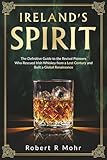
- Mohr, Robert R (Author)
- English (Publication Language)
- 170 Pages - 11/10/2025 (Publication Date) - Independently published (Publisher)
2. Preheat your mug: Fill your Irish coffee mug or heatproof glass with hot water and let it sit for a minute, then discard the water.
- What “good” looks like: The mug feels warm to the touch.
- Common mistake: Using a cold mug, which will quickly cool your drink.
Using a proper Irish coffee mug with a handle is ideal for both aesthetics and comfort. Check out these classic Irish coffee mugs to complete your setup.
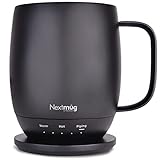
- ALWAYS THE PERFECT TEMPERATURE – The Nextmug will keep your hot coffee, tea or preferred beverage at the perfect temperature wherever you are. Simply select Warm (130° F), Hot (140° F), or Piping (150° F) and enjoy for hours.
- SMART MUG TECHNOLOGY – Long-lasting battery maintains your ideal temperature. LED lights display battery life & real-time temperature. Includes Spill-Resistant Lid & Charging Coaster.
- SUPER SIMPLE – On-board Control Button easily turns mug On/Off & sets the temperature. Takes only seconds to set the mug to your perfect temperature. No app required - no passwords, re-booting or security concerns.
- THE PERFECT GIFT - Give the gift for him and the gift for her that is certain to delight. Perfect for everyone on your list…moms, dads, grandmas, grandpas, teachers, birthdays, graduations and more!
- NEXTMUG CARES - Nextmug cares about our communities and our customers. We care by donating Nextmugs to teachers and first responders . We’re also committed to sustainable packaging by using 100% recyclable materials with all our products. Our dedicated customer service agents are based in the USA and always ready to help.
3. Brew your coffee: Brew a strong cup of coffee using your preferred method. Aim for about 6 oz (180 ml) per serving.
- What “good” looks like: A rich, aromatic coffee that is brewed to your liking.
- Common mistake: Brewing weak coffee. This will dilute the whiskey and sugar flavors.
4. Add sugar: Place 1-2 teaspoons of sugar into the bottom of the preheated mug. Brown sugar adds a nice caramel note.
- What “good” looks like: Sugar is at the bottom, ready to dissolve.
- Common mistake: Adding sugar after the coffee, making it harder to dissolve evenly.
Brown sugar adds a wonderful depth of flavor and a hint of caramel that pairs beautifully with Irish coffee. You can explore different types of sugar to find your favorite.

- ORGANIC CANE SUGAR + PREBIOTIC FIBER: Organic cane sugar infused with prebiotic fiber for the same sweetness and texture you already use.
- 1:1 SUGAR REPLACEMENT: Swap 1:1 in coffee, tea, baking, and cooking—no recipe changes needed.
- BAKES & BROWNS LIKE REAL SUGAR: Performs like traditional sugar in cookies, cakes, and everyday recipes—dissolves, bakes, and browns as expected.
- 25% FIBER & FEWER CALORIES PER SERVING: A smarter everyday sweetener with added fiber per serving and fewer calories than standard sugar.
- NO ARTIFICIAL SWEETENERS OR SUGAR ALCOHOLS: Clean sweetness without artificial sweeteners or sugar alcohols.
5. Pour hot coffee over sugar: Fill the mug about two-thirds to three-quarters full with the hot, strong coffee.
- What “good” looks like: The coffee is hot and begins to dissolve the sugar.
- Common mistake: Overfilling the mug, leaving no room for whiskey or cream.
6. Stir to dissolve sugar: Stir the coffee and sugar mixture until the sugar is completely dissolved. This may take a minute or two.
- What “good” looks like: No visible sugar granules at the bottom of the mug.
- Common mistake: Not fully dissolving the sugar, leading to a gritty texture and uneven sweetness.
7. Add Irish whiskey: Pour in 1.5-2 oz (45-60 ml) of Irish whiskey. Adjust to your preference.
- What “good” looks like: The whiskey is integrated into the coffee.
- Common mistake: Adding too much whiskey, overpowering the coffee and sugar.
8. (Optional) Add Baileys: If using Baileys, add 1-1.5 oz (30-45 ml) now, or reserve it for topping.
- What “good” looks like: The Baileys is incorporated.
- Common mistake: Adding Baileys too early if you plan to float cream, as it can prevent proper layering.
9. Prepare the cream topping: If you are not using Baileys as a topping, whip about 2 oz (60 ml) of heavy cream until it forms soft peaks. Alternatively, you can use a store-bought Irish cream liqueur.
- What “good” looks like: Cream is lightly whipped, not stiff.
- Common mistake: Over-whipping the cream, making it difficult to float.
10. Float the cream: Gently pour or spoon the whipped cream over the back of a spoon held just above the coffee’s surface.
- What “good” looks like: A stable layer of cream floats on top of the coffee.
- Common mistake: Pouring the cream directly, which will cause it to sink and mix.
11. Serve immediately: Present the Irish coffee while it’s hot and the cream is perfectly floated.
- What “good” looks like: A visually appealing drink ready to be enjoyed.
- Common mistake: Letting it sit too long, allowing the cream to dissipate or the drink to cool.
Common mistakes (and what happens if you ignore them)
| Mistake | What it causes | Fix |
|---|---|---|
| Using stale coffee beans | Flat, bitter, or off-flavors; lacks aroma. | Use freshly roasted, whole beans and grind them just before brewing. |
| Brewing weak coffee | Diluted taste; the whiskey and sugar flavors are not balanced with the coffee. | Use a higher coffee-to-water ratio (e.g., 1:15 or 1:14) for a stronger brew. |
| Not dissolving the sugar completely | Gritty texture; uneven sweetness; sugar settles at the bottom. | Stir the coffee and sugar thoroughly until no sugar granules remain. |
| Using cold water for brewing | Under-extraction; weak, sour coffee. | Ensure your water is between 195-205°F (90-96°C) for optimal extraction. |
| Using a cold mug | Drink cools down too quickly; flavors become muted. | Preheat your mug with hot water before adding ingredients. |
| Over-whipping the cream | Cream becomes too stiff; difficult to float; can curdle. | Whip cream to soft peaks; it should be pourable or spoonable, not like meringue. |
| Pouring cream too quickly or directly | Cream sinks and mixes with the coffee; no distinct layer. | Float the cream gently over the back of a spoon held just above the coffee’s surface. |
| Not cleaning brewing equipment | Rancid coffee oils impart unpleasant flavors; can affect taste and aroma. | Clean your coffee maker and accessories regularly; descale as needed. |
| Using tap water with strong minerals | Can affect coffee flavor negatively; may lead to scale buildup in equipment. | Use filtered water for a cleaner, more consistent coffee taste. |
| Adding sugar after coffee and whiskey | Sugar is harder to dissolve; can lead to a gritty texture. | Add sugar to the hot coffee before adding whiskey or cream. |
Decision rules (simple if/then)
- If your coffee tastes bitter, then reduce the coffee-to-water ratio or use a coarser grind because over-extraction can cause bitterness.
- If your coffee tastes sour, then increase the coffee-to-water ratio or use a finer grind because under-extraction can cause sourness.
- If you prefer a sweeter drink, then add more sugar or a touch more Baileys because sweetness can be adjusted to individual taste.
- If you want a stronger coffee flavor, then brew your coffee stronger or use less water because the coffee should complement, not be overwhelmed by, the whiskey.
- If you want a creamier texture, then use Baileys Irish Cream or whip heavy cream to soft peaks because cream adds richness and mouthfeel.
- If you want a more traditional taste, then omit Baileys and focus on good quality Irish whiskey, sugar, and coffee because the original recipe did not include liqueurs.
- If your drink is not hot enough, then preheat your mug and ensure your coffee is brewed very hot because temperature is crucial for flavor and texture.
- If you are concerned about alcohol content, then reduce the amount of whiskey or omit it entirely because Irish coffee can be made as a non-alcoholic beverage.
- If you want to avoid a gritty drink, then ensure all sugar is completely dissolved before adding other ingredients because undissolved sugar creates an unpleasant texture.
- If you find the whiskey too harsh, then try a smoother Irish whiskey or a smaller amount because different whiskeys have varying flavor profiles.
- If your cream topping is not floating well, then ensure it’s lightly whipped and you’re using the spoon-over-the-edge technique because proper technique is key to a stable float.
FAQ
Do you have to use Baileys in Irish coffee?
No, Baileys Irish Cream is not a traditional ingredient in Irish coffee. The classic recipe calls for Irish whiskey, sugar, and hot coffee, topped with cream.
What is the traditional way to make Irish coffee?
The traditional method involves hot, strong coffee, sugar (often brown), and Irish whiskey, topped with lightly whipped heavy cream. The cream floats on top, creating a distinct layer.
Can I make Irish coffee without Irish whiskey?
While it won’t technically be “Irish” coffee, you can substitute other spirits like bourbon or rum. However, Irish whiskey’s smooth, malty character is key to the classic flavor profile.
What kind of coffee is best for Irish coffee?
A strong, dark roast or a medium-dark roast works well. The coffee should be robust enough to stand up to the whiskey and sugar without tasting weak or bitter.
How do I get the cream to float properly?
Gently pour the lightly whipped cream over the back of a spoon held just above the surface of the coffee. This technique helps the cream float rather than sink.
Is Baileys necessary for a creamy Irish coffee?
Baileys adds creaminess and a sweet, liqueur flavor. If you don’t use Baileys, you can achieve creaminess by topping with lightly whipped heavy cream.
Can I make Irish coffee non-alcoholic?
Yes, you can omit the whiskey entirely or substitute it with a non-alcoholic whiskey alternative. You can still enjoy the coffee, sugar, and cream combination.
What’s the best type of sugar to use?
Granulated sugar is standard, but brown sugar (light or dark) can add a lovely caramel note that complements the whiskey and coffee.
How much whiskey should I use?
A common serving is 1.5 to 2 oz (45-60 ml) of Irish whiskey per cup. Adjust this amount to your personal preference for strength and flavor.
What this page does NOT cover (and where to go next)
- Specific brand recommendations for Irish whiskey or coffee. (Next: Explore reviews and tasting notes for different Irish whiskeys and coffee beans.)
- Detailed historical accounts of the origin of Irish coffee. (Next: Research the history of the drink and its creators.)
- Advanced techniques for latte art or complex cream toppings. (Next: Look into barista guides for milk steaming and art techniques.)
- Recipes for flavored syrups or liqueurs to add to your Irish coffee. (Next: Explore resources for making homemade syrups or exploring other coffee cocktails.)