
Making Cuban Coffee In Batches For The Week
Quick answer
- Yes, you can make Cuban coffee in batches for the week, but it’s best consumed fresh for optimal flavor.
- Storing Cuban coffee in an airtight container in the refrigerator is the most common method for extending its shelf life.
- Properly stored, brewed Cuban coffee can last up to 3-4 days in the fridge, though quality may decline.
- Reheating methods can impact the final taste; gentle warming is usually preferred over aggressive boiling.
- For the freshest taste, consider brewing smaller batches more frequently rather than one large batch for the entire week.
- Pre-measuring your ingredients can speed up daily brewing if you prefer fresh coffee.
Who this is for
- Busy individuals who enjoy Cuban coffee and want to save time during their morning routine.
- Those who want to prepare their Cuban coffee the night before or on a less busy day.
- Home baristas looking for practical ways to manage their coffee brewing throughout the week.
What to check first
Brewer type and filter type
The traditional method for making Cuban coffee involves a moka pot (cafetera) and often uses its built-in filter basket. However, some recipes might adapt to other methods. Understanding your brewing device is crucial because it dictates how water and coffee interact, influencing extraction and flavor. If you’re using a moka pot, ensure the filter basket is clean and free of old coffee grounds.
Water quality and temperature
The quality of your water significantly impacts the taste of your coffee. Tap water can sometimes contain minerals or chlorine that impart off-flavors. Using filtered water or good-tasting spring water is recommended. For Cuban coffee, the water is heated to near boiling, typically around 195-205°F (90-96°C), before it passes through the coffee grounds. Overheating can scorch the coffee, while insufficient heat leads to weak extraction.
Grind size and coffee freshness
Cuban coffee traditionally uses a fine grind, similar to espresso, but slightly coarser is sometimes preferred for moka pots to prevent over-extraction and clogging. Freshly ground beans offer the most vibrant flavor. Pre-ground coffee can lose its aromatic compounds quickly. If you’re making a batch for the week, grinding a larger amount at once is an option, but be sure to store the grounds in an airtight container away from light and heat immediately after grinding.
For the best flavor, use freshly roasted cuban coffee beans ground just before brewing. If you’re preparing a batch for the week, grinding a larger quantity at once is an option, but be sure to store the grounds properly.
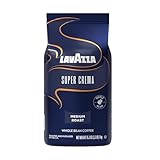
- SUPER CREMA: A 2.2 lb whole bean coffee bag ideal for espresso preparation
- INTENSITY AND ROAST: This full-bodied medium roast offers a bold and creamy finish
- BLEND: Made from Arabica and Robusta beans, this naturally caffeinated blend is sourced from 15 coffee-growing countries around the world
- PREPARATION: Ideal for espresso preparation.
- BREWING GUIDE FOR SINGLE ESPRESSO: 0.28 oz of ground espresso delivers a 1 oz espresso shot
Coffee-to-water ratio
The standard ratio for Cuban coffee is often quite strong, typically around 1:10 to 1:15 (coffee to water by weight). For a moka pot, this usually translates to filling the filter basket with coffee grounds and the lower chamber with water up to the safety valve. Deviating too much from this ratio can result in coffee that is too weak or too bitter. For batch brewing, maintaining this ratio consistently is key.
Cleanliness/descale status
A clean brewer is essential for good-tasting coffee. Coffee oils can build up over time and turn rancid, imparting a stale or bitter flavor. Regularly clean your moka pot, ensuring no old grounds are stuck in the filter or spout. If you use a drip machine or other brewers, follow the manufacturer’s instructions for cleaning and descaling. Mineral deposits from water can affect both the brewer’s performance and the coffee’s taste.
Step-by-step (brew workflow)
1. Gather your ingredients and equipment: This includes your moka pot (or chosen brewer), finely ground coffee, water, and any optional ingredients like sugar.
- What “good” looks like: Everything is clean, measured, and ready to go.
- Common mistake: Not having everything ready, leading to rushed steps and potential errors.
- Avoid it by: Doing a quick check before you start.
2. Fill the lower chamber with water: Add cold, filtered water to the bottom chamber of your moka pot, up to the level of the safety valve.
- What “good” looks like: Water is at the correct level, not exceeding the valve.
- Common mistake: Overfilling the chamber, which can lead to steam leaks and improper brewing.
- Avoid it by: Visually checking the water level against the valve.
3. Insert the filter basket: Place the filter basket into the lower chamber.
- What “good” looks like: The basket sits snugly in place.
- Common mistake: Forgetting to insert the basket, or not seating it properly.
- Avoid it by: Ensuring it clicks or sits firmly.
4. Fill the filter basket with coffee: Add finely ground coffee to the filter basket. Do not tamp it down; just level it off with your finger or a spoon.
- What “good” looks like: The basket is filled evenly, without pressing the grounds.
- Common mistake: Tamping the coffee, which can restrict water flow and cause over-extraction.
- Avoid it by: Gently leveling the grounds without pressure.
5. Screw the upper chamber onto the base: Tightly screw the top part of the moka pot onto the filled base. Ensure it’s secure to prevent steam leaks.
- What “good” looks like: The pot is sealed tightly and evenly.
- Common mistake: Not screwing it on tightly enough, leading to steam escaping from the sides.
- Avoid it by: Using a towel if the base is wet, and twisting firmly.
6. Place the moka pot on the stove: Set the moka pot on a medium heat setting on your stovetop.
- What “good” looks like: The heat is consistent but not so high that it scorches the pot.
- Common mistake: Using high heat, which can burn the coffee and damage the moka pot.
- Avoid it by: Starting with medium heat and adjusting as needed.
7. Watch for coffee to brew: Coffee will begin to flow into the upper chamber. This process should take a few minutes.
- What “good” looks like: A steady, rich stream of coffee emerges.
- Common mistake: Letting the coffee boil vigorously in the upper chamber, which makes it bitter.
- Avoid it by: Listening for the gurgling sound and removing the pot from heat just as it starts to sputter.
8. Optional: Add sugar and stir for espumita: If making traditional Cuban coffee, you can add a bit of sugar to the first few drops of coffee that emerge, whisking vigorously to create the characteristic foam (espumita).
- What “good” looks like: A thick, frothy foam forms.
- Common mistake: Not whisking enough, or adding sugar too late, resulting in no foam.
- Avoid it by: Adding sugar to the initial drips and whisking quickly.
9. Remove from heat: Once the upper chamber is about two-thirds to three-quarters full, and you hear a gurgling sound indicating the water is nearly gone, remove the moka pot from the heat. The residual heat will finish the brew.
- What “good” looks like: The brewing process stops naturally without boiling over.
- Common mistake: Leaving it on the heat too long, causing the coffee to boil and become bitter.
- Avoid it by: Paying attention to the brewing sound and color.
10. Pour and serve immediately (if brewing fresh): Pour the freshly brewed coffee into demitasse cups.
- What “good” looks like: A rich, aromatic coffee ready to be enjoyed.
- Common mistake: Letting it sit on the burner, which continues to cook and degrade the flavor.
- Avoid it by: Serving it right away.
11. Cool and store (for batch brewing): If making a batch for the week, allow the brewed coffee to cool completely before transferring it to an airtight container.
- What “good” looks like: Coffee is at room temperature before being sealed.
- Common mistake: Storing hot coffee, which can create condensation and affect flavor.
- Avoid it by: Letting it cool thoroughly.
12. Refrigerate: Store the airtight container in the refrigerator.
- What “good” looks like: The container is sealed and kept at a consistent cold temperature.
- Common mistake: Leaving it at room temperature, which promotes bacterial growth and spoilage.
- Avoid it by: Always placing it in the fridge.
Common mistakes (and what happens if you ignore them)
| Mistake | What it causes | Fix |
|---|---|---|
| Using stale or pre-ground coffee | Weak, flat, or bitter coffee; lack of aroma. | Use freshly roasted and ground beans. |
| Tamping coffee grounds in the filter | Slow brewing, bitter taste, potential clogs. | Level grounds gently without pressing. |
| Overfilling the moka pot’s water chamber | Steam leaks, potential sputtering, diluted flavor. | Fill only to the safety valve. |
| Using high heat on the stove | Scorched coffee, burnt taste, damaged brewer. | Use medium heat and monitor the brew. |
| Letting the coffee boil in the upper chamber | Bitter, acrid, burnt flavor; loss of aroma. | Remove from heat as soon as it starts to gurgle. |
| Not screwing the moka pot tightly | Steam leaks, inefficient brewing, weak coffee. | Ensure a tight seal before placing on heat. |
| Storing hot coffee in the fridge | Condensation, altered flavor, potential spoilage. | Let brewed coffee cool completely before refrigerating. |
| Not cleaning the moka pot regularly | Rancid coffee oils, stale, unpleasant taste. | Disassemble and rinse after each use; deep clean periodically. |
| Using hard or impure water | Off-flavors, mineral buildup in the brewer. | Use filtered or good-tasting spring water. |
| Incorrect grind size (too fine) | Clogging, over-extraction, bitter taste. | Use a grind appropriate for your moka pot (often fine to medium-fine). |
Decision rules (simple if/then)
- If your brewed coffee tastes weak, then increase the amount of coffee grounds in the filter basket, because a lower coffee-to-water ratio results in a weaker brew.
- If your brewed coffee tastes too bitter, then decrease the amount of coffee grounds or shorten the brewing time, because over-extraction or boiling the coffee causes bitterness.
- If you notice steam leaking from the sides of your moka pot, then immediately remove it from the heat and ensure the upper and lower chambers are screwed together tightly, because leaks prevent proper pressure buildup and can be dangerous.
- If you are brewing a large batch for the week and notice a metallic taste, then check your water quality, because impurities in water can impart off-flavors.
- If you want to speed up your morning routine but prioritize fresh taste, then pre-grind your coffee beans the night before and store them in an airtight container, because grinding fresh daily is ideal but pre-grinding is a good compromise.
- If you are reheating stored Cuban coffee and it tastes dull, then gently warm it on the stovetop over low heat or in a microwave on a lower power setting, because aggressive reheating can further degrade its flavor.
- If your moka pot is difficult to unscrew after brewing, then let it cool slightly first and use a towel for grip, because the hot metal can be slippery and difficult to handle.
- If you are making Cuban coffee for the week and want to preserve the espumita, then consider adding a very small amount of sugar to the brewed coffee just before serving and whisking vigorously, as the foam is best when freshly made and may not store well.
- If your moka pot is producing a sputtering, weak stream of coffee, then check if the filter basket is clogged or if the coffee grounds were tamped, because these issues restrict water flow.
- If you find that your brewed coffee tastes burnt even when brewing carefully, then check the heat level and the cleanliness of your moka pot, as residue can scorch easily.
FAQ
Can I make Cuban coffee in a drip machine?
While you can use a moka pot grind in a drip machine, the brewing process is different. Drip machines use gravity and hot water dripping through grounds, which extracts flavor differently than the pressure-driven moka pot. For authentic Cuban coffee flavor, a moka pot is recommended.
How long does Cuban coffee last in the fridge?
Cuban coffee, like most brewed coffee, is best consumed fresh. However, if stored properly in an airtight container in the refrigerator, it can last for about 3 to 4 days. The flavor will gradually degrade over time.
What is espumita?
Espumita is the characteristic foam created by vigorously whisking a small amount of sugar with the first few drops of coffee as it brews in a moka pot. It adds a rich texture and sweetness to the top of the Cuban coffee.
How should I reheat batch-brewed Cuban coffee?
To reheat, use a low heat setting on the stovetop or a microwave on a lower power setting. Avoid boiling the coffee again, as this can make it taste bitter and burnt. Gentle warming is key to preserving its flavor as much as possible.
Is it better to make a big batch or small batches?
For the absolute best flavor, small batches brewed fresh daily or every other day are ideal. If you need convenience, a larger batch can be made, but be aware that the quality will diminish over the 3-4 day storage period.
What kind of coffee beans are used for Cuban coffee?
Traditionally, dark roast Arabica beans are used, often with a small percentage of Robusta for added crema and body. The beans are typically ground very finely.
Can I freeze brewed Cuban coffee?
Yes, you can freeze brewed Cuban coffee. Pour it into an ice cube tray or a freezer-safe container. Frozen coffee cubes can be a convenient way to add coffee flavor to cold drinks or be thawed and gently reheated.
Will the espumita store well?
No, the espumita is best made fresh. It is created by the immediate reaction of sugar and hot coffee. Stored coffee will not retain this foam, and attempting to recreate it after storage is difficult.
What this page does NOT cover (and where to go next)
- Specific brand recommendations for moka pots or coffee beans. (Next, explore reviews and guides on popular moka pot brands and roast profiles.)
- Detailed historical origins of Cuban coffee brewing methods. (Next, research the cultural significance and history of Cuban coffee.)
- Advanced techniques for espumita creation beyond basic whisking. (Next, look for specialized guides on achieving the perfect Cuban coffee foam.)
- Comparisons of Cuban coffee to other regional coffee preparations. (Next, explore articles comparing different coffee cultures and brewing styles.)