
Making Cappuccino Mix in Your Coffee Maker: A Guide
Quick answer
- You can put cappuccino mix in a coffee maker, but it’s generally not recommended for most machines.
- Standard drip coffee makers aren’t designed for the dairy solids and sugars in most mixes.
- Expect potential clogs, residue, and a less-than-ideal taste.
- For a true cappuccino experience, a dedicated espresso machine and frother are best.
- If you’re set on using a coffee maker, a French press or a pour-over might be a slightly better, albeit still imperfect, option.
- Always check your coffee maker’s manual first. Seriously.
If you’re looking for a reliable standard drip coffee maker, consider this highly-rated model for your daily brew.
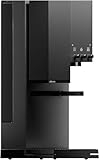
- 1. Three Levels of Automation for Any Skill Level: Choose from Autopilot, Copilot, or Free Solo mode. Autopilot handles the entire brewing process automatically. Copilot provides step-by-step guidance. Free Solo gives you full manual control. This coffee machine works for beginners and professional baristas alike.
- 2. Intuitive User Interface with Tactile Knobs and LED Matrix: The Studio features physical control knobs and a clear LED Matrix display. You can adjust grind size, water temperature, and flow rate in real time without navigating complicated touchscreen menus.
- 3. Full Customization via the xBloom App: Use the xBloom app to create, adjust, save, and share your favorite coffee recipes. Every brewing parameter can be fine-tuned and synced to the machine instantly. Your perfect cup is saved and repeatable.
- 4. Compostable xPod System for Minimal Waste and Maximum Flavor: Each xPod contains carefully selected whole beans and a built-in filter. Tap the recipe card, pour the beans into the grinder, place the pod into the dock, and press start. No capsules, no extra paper filters, no unnecessary waste.
- 5. What Is Included in the Box: The package includes the xBloom Studio, Omni Dripper 2 with Hyperflow Bottom, 10 paper filters, xPod Dock, Magnetic Dosing Cup, default recipe card, quick start guide, cleaning brush, universal power cord, and a 2-Year xbloom brand warranty. Everything you need is included—along with long-term peace of mind.
Who this is for
- Campers looking for a quick, sweet coffee fix without hauling extra gear.
- Anyone who has a coffee maker and a packet of cappuccino mix and wonders, “What if?”
- People who prioritize convenience over the perfect cup and are willing to risk a little cleanup.
What to check first
Brewer type and filter type
This is the big one. Most drip coffee makers have narrow tubes and heating elements. Cappuccino mix has stuff in it that can gum up the works. If you’ve got a fancy espresso machine with a steam wand, that’s a different ballgame, but we’re talking standard drip makers here. Paper filters are okay, but they won’t stop the powder from potentially dissolving and creating a mess.
Water quality and temperature
Good water makes good coffee. Bad water makes bad coffee. Same goes for your cappuccino mix. Use filtered water if you can. The temperature is less critical for the mix itself than for brewing actual coffee, but you want it hot enough to dissolve the powder.
Grind size and coffee freshness
This is less relevant if you’re only using the mix. If you’re trying to make a coffee and cappuccino mix combo, then yes, grind size and freshness matter big time for the coffee part. But for the mix, just make sure it’s not lumpy from moisture.
Coffee-to-water ratio
Again, if it’s just the mix, you’re essentially making hot chocolate with coffee flavor. Follow the instructions on the mix packet. If you’re trying to brew coffee with the mix, it’s going to be trial and error, and probably not great.
Cleanliness/descale status
This is crucial. If your coffee maker is already a bit grimy, adding cappuccino mix is like adding glitter to a mud puddle. It’s just going to make a bigger mess. Descale that machine.
Step-by-step (brew workflow)
This workflow assumes you’re trying to brew with the mix, not just dissolve it in hot water. It’s a bold move.
1. Gather your supplies: You’ll need your coffee maker, a filter, your coffee grounds, and your cappuccino mix. Maybe a towel.
- What “good” looks like: Everything is within reach and you’re feeling confident.
- Common mistake: Forgetting the mix. Or the coffee. Or both. Keep it all together.
2. Add water to the reservoir: Fill it to your desired level.
- What “good” looks like: Clear water, right up to the line.
- Common mistake: Overfilling. That leads to a messy overflow later. Just don’t.
3. Place the filter in the basket: Use a standard paper filter.
- What “good” looks like: The filter is seated properly, no kinks.
- Common mistake: Not unfolding the filter. It won’t sit right and can cause grounds to bypass the filter.
4. Add coffee grounds: Measure your usual amount, or adjust based on how strong you want the coffee part.
- What “good” looks like: Evenly distributed grounds.
- Common mistake: Piling them up in the middle. This leads to uneven extraction.
5. Add cappuccino mix to the grounds: This is where it gets dicey. Use a moderate amount, maybe half of what the packet suggests for a single serving.
- What “good” looks like: The powder is mixed in with the grounds, not clumped.
- Common mistake: Dumping the whole packet. This is a recipe for clogs and weird flavors. Start light.
6. Start the brew cycle: Hit that button.
- What “good” looks like: The machine hums to life and starts dripping.
- Common mistake: Forgetting to put the carafe back. Instant kitchen flood. Been there.
7. Monitor the brew: Watch for any unusual sounds or smells.
- What “good” looks like: A steady drip into the carafe.
- Common mistake: Ignoring sputtering or bubbling sounds. That could be the mix causing trouble.
8. Pour and taste: Carefully pour the brewed mixture into your mug.
- What “good” looks like: A beverage that smells and tastes like a sweet, coffee-ish drink.
- Common mistake: Expecting a perfect latte. It’s not going to be. It’s a coffee maker, not a barista.
9. Clean immediately: This is non-negotiable.
- What “good” looks like: The filter basket and carafe are rinsed right away.
- Common mistake: Letting it sit. The sugars will harden like concrete.
Common mistakes (and what happens if you ignore them)
| Mistake | What it causes | Fix |
|---|---|---|
| Putting dry mix directly into the reservoir | Clogs the machine’s internal tubing, heating element, and spout. | <strong>Don’t do it.</strong> Use the filter basket method, and even then, be cautious. |
| Using too much cappuccino mix | Overly sweet, syrupy coffee. Can clog the filter and machine. | Start with a small amount, then add more to taste <em>after</em> brewing if needed. |
| Not cleaning the machine immediately | Dried-on sugars and dairy solids that are very difficult to remove. | Rinse and wash all removable parts right after use. Run a water-only cycle. |
| Ignoring sputtering or unusual noises | Indicates a potential clog or blockage forming within the machine. | Stop the brew cycle. Disconnect from power. Check the filter basket and carafe for blockages. |
| Using a machine not designed for it | Damages the heating element, pump, or internal plumbing over time. | Stick to water and coffee grounds. Consider a dedicated frother or espresso machine for mix. |
| Adding mix to a dirty machine | Creates a muddy, gritty, and off-tasting beverage. | Always descale and clean your coffee maker regularly. |
| Expecting a true cappuccino | Disappointment. Coffee makers lack the pressure and steam power for microfoam. | Manage expectations. It will be a sweet, flavored coffee drink. |
| Leaving the filter basket in too long | Drips can continue after brewing, potentially making a mess or over-extracting. | Remove the filter basket promptly after the brew cycle finishes. |
| Using flavored coffee with flavored mix | Can create an overwhelming, artificial, or clashing flavor profile. | Stick to a neutral or complementary coffee roast. |
| Not checking the manual | Voids warranty, causes damage, and leads to poor results. | Read the manual. It usually says “only use water and coffee grounds.” |
Decision rules (simple if/then)
- If you have a standard drip coffee maker, then proceed with extreme caution because these machines are not designed for powders.
- If you want a true cappuccino, then use an espresso machine with a steam wand because that’s what creates the proper foam and texture.
- If your coffee maker’s manual explicitly says “do not add anything but water and coffee grounds,” then do not put cappuccino mix in it because you risk damaging the machine and voiding the warranty.
- If you’re using a French press or pour-over, then you have a slightly better chance of success because there are fewer internal components to clog, but cleanup is still key.
- If you decide to try it in a drip maker, then add the mix to the filter basket with the grounds, not the water reservoir because this minimizes direct contact with sensitive internal parts.
- If you notice sputtering or slow brewing, then stop the cycle immediately because it’s a sign of a clog forming.
- If you want to minimize risk, then dissolve the cappuccino mix in hot water separately and pour it into your brewed coffee because this keeps the mix out of the machine entirely.
- If your goal is just a sweet, flavored coffee drink, then accept that it won’t be a “cappuccino” because the texture and flavor profile will be different.
- If you’re brewing with the mix, then use less mix than the package recommends initially because you can always add more sweetness later, but you can’t easily remove it if it’s too much.
- If you want to protect your machine, then run a cleaning cycle with just water immediately after brewing with mix because this helps flush out any residual sugars and dairy.
- If you value your coffee maker’s longevity, then reserve cappuccino mix for separate preparation methods like stirring into hot water or brewed coffee.
FAQ
Can I put cappuccino mix directly into the water reservoir of my coffee maker?
Absolutely not. This is the fastest way to clog your machine’s internal workings and potentially cause permanent damage. Always keep powders out of the reservoir.
What happens if I use cappuccino mix in my drip coffee maker?
You’ll likely end up with a sweet, possibly gritty, and less-than-ideal coffee drink. More importantly, the sugars and dairy solids can clog the machine, leading to poor performance or breakdown.
Is it okay to put cappuccino mix in the filter basket with the coffee grounds?
It’s less risky than the reservoir, but still not ideal. The mix can still dissolve and potentially clog the filter or the brew basket itself. If you do it, use a very small amount and be prepared for extra cleaning.
How do I clean my coffee maker after using cappuccino mix?
Clean it immediately. Discard the used grounds and filter. Rinse the brew basket and carafe thoroughly. Run at least one full brew cycle with plain water to flush out any remaining residue.
Will this damage my coffee maker?
Potentially, yes. Standard drip coffee makers are designed for water and coffee grounds. Introducing other ingredients can lead to clogs, damage to heating elements, and other mechanical issues over time.
What’s the best way to make a cappuccino at home if I don’t have an espresso machine?
You can try making strong coffee (like from a Moka pot or French press), heating milk separately, and frothing the milk with a handheld frother or by shaking it vigorously in a sealed jar.
Can I just dissolve the cappuccino mix in hot water and add it to my regular coffee?
Yes, this is a much safer and cleaner method. Brew your coffee as usual, then dissolve the cappuccino mix in a separate cup of hot water and combine.
Does the type of coffee maker matter?
Yes, it matters a lot. Espresso machines with steam wands are designed for milk and coffee. Standard drip machines are not. Pod machines are also usually a no-go for anything other than their intended pods.
What this page does NOT cover (and where to go next)
- Specific recipes for combining cappuccino mix with different coffee roasts.
- Detailed instructions for descaling and deep cleaning specific coffee maker models.
- Reviews or comparisons of different cappuccino mix brands.
- Advanced latte art techniques.
- The science behind espresso extraction and milk steaming.