
Making a Latte Using Coffee Creamer
Quick Answer
- You can technically mix coffee creamer into milk to create a flavored milk base for a latte, but it won’t replicate the authentic taste or texture of a traditional latte.
- Coffee creamer is designed to sweeten and flavor black coffee, not to create foam or integrate with espresso like steamed milk does.
- For a true latte, you’ll need espresso and steamed milk.
- If you’re looking for a shortcut to a flavored milky coffee drink, using coffee creamer is an option, but manage your expectations.
- The result will likely be a sweet, flavored coffee drink, but not a latte in the traditional sense.
Who This Is For
- Home coffee drinkers who want a quick, sweet, and flavored coffee drink without specialized equipment.
- Individuals who enjoy the taste of coffee creamer and are curious about incorporating it into a latte-like beverage.
- Those who may not have an espresso machine or milk frother but want to experiment with coffee creations.
What to Check First
Brewer Type and Filter Type
Before you begin, identify the type of coffee brewer you are using. Whether it’s a drip machine, French press, pour-over, or Moka pot, each will yield a different coffee base. The filter type (paper, metal, cloth) also affects the coffee’s body and clarity. For a latte-style drink, a stronger, more concentrated coffee base is usually preferred, so consider brewing methods that produce this.
Water Quality and Temperature
The water you use significantly impacts the taste of your coffee. Filtered water is generally recommended to avoid off-flavors from tap water impurities. The ideal brewing temperature for coffee is typically between 195°F and 205°F. Water that is too cool can lead to under-extraction and a weak, sour taste, while water that is too hot can scorch the grounds, resulting in a bitter flavor.
Grind Size and Coffee Freshness
The grind size of your coffee beans must match your brewing method. For example, espresso requires a very fine grind, while a French press needs a coarse grind. Using the wrong grind size will result in poor extraction. Freshly ground coffee beans are crucial for the best flavor. Pre-ground coffee loses its aroma and flavor compounds quickly. Aim to grind your beans just before brewing.
Coffee-to-Water Ratio
The ratio of coffee grounds to water determines the strength of your brew. A common starting point for drip coffee is a 1:15 to 1:18 ratio (e.g., 1 gram of coffee to 15-18 grams of water). For a stronger base suitable for a latte-like drink, you might lean towards the lower end of this range or even slightly stronger, depending on your preference.
Cleanliness/Descale Status
A clean coffee maker is essential for good-tasting coffee. Coffee oils and mineral buildup can impart stale or bitter flavors. Regularly clean your brewer according to the manufacturer’s instructions. Descaling, which removes mineral deposits, is also important, especially if you have hard water. A dirty machine can ruin even the best coffee beans.
Step-by-Step: Creating a Creamer-Based “Latte”
Here’s a workflow for making a drink that approximates a latte using coffee creamer. Remember, this is a simplified approach and will not produce a traditional latte.
1. Brew a Strong Coffee Base:
- What to do: Brew a concentrated batch of coffee using your preferred method. Aim for a stronger brew than you might normally drink black. For instance, use slightly more coffee grounds or slightly less water than your usual recipe.
- What “good” looks like: A robust, flavorful coffee that isn’t watery or weak. It should have a pleasant aroma.
- Common mistake and how to avoid it: Brewing a weak coffee. Use a finer grind if your method allows, or increase your coffee-to-water ratio slightly to compensate for the lack of espresso.
2. Prepare Your Coffee Creamer Mixture:
- What to do: In a separate container, combine your desired amount of coffee creamer with a small amount of milk (dairy or non-dairy). Stir until well combined. The milk helps to slightly thin the creamer and make it more pourable.
- What “good” looks like: A smooth, homogenous mixture that has a pleasant aroma and desired flavor.
- Common mistake and how to avoid it: Using only creamer. It can be very thick and overly sweet. Diluting it with a bit of milk will make it more manageable and less cloying.
If you’re looking to add a specific flavor to your latte, consider using a flavored coffee syrup like this one. It can help create a more nuanced taste than creamer alone.
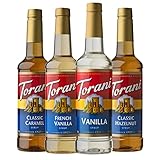
- Coffee Flavor Variety Pack: Perfect for making your own flavored lattes, mochas, cappuccinos and more, this variety pack includes 1 bottle of each: Caramel, French Vanilla, Vanilla and Hazelnut
- Flavoring Syrups: Made with pure cane sugar, natural flavors and cold-filtered water, Torani Original Syrups provide gold-standard flavors and vibrant colors to create amazing drink experiences
- Authentic Coffeehouse Flavor: From caramel to French vanilla to hazelnut—and everything in between—our syrups and sauces are here to help you create tantalizing lattes, cappuccinos, cold brews and frappes
- Find Your Recipe: We are here to help you create tantalizing drinks for every taste, occasion, and mood; Mix up some magic with caramel, lavender, pumpkin pie, hazelnut, chocolate, and many more flavors
- Flavor For All: Discover how Torani can help you make truly creative flavored teas, lemonades, smoothies, milkshakes, Italian sodas, coffees, cocktails, mocktails, snow cones, sparkling waters and more
3. Heat Your Coffee Creamer Mixture:
- What to do: Gently heat the creamer and milk mixture. You can do this in a saucepan over low heat or in the microwave. Do not boil it; just heat it until it’s warm and steamy.
- What “good” looks like: A warm, fragrant mixture that is comfortable to drink.
- Common mistake and how to avoid it: Boiling the mixture. This can cause the creamer to separate or scorch, leading to an unpleasant taste and texture.
4. Pour Coffee into Your Mug:
- What to do: Pour your freshly brewed, strong coffee into your serving mug. Fill it about halfway to two-thirds full, leaving room for the creamer mixture.
- What “good” looks like: A dark, aromatic coffee base ready to be enhanced.
- Common mistake and how to avoid it: Overfilling the mug. This leaves no room for the creamer mixture and can lead to spills.
5. Add the Heated Creamer Mixture:
- What to do: Slowly pour the warmed coffee creamer and milk mixture over the coffee.
- What “good” looks like: The creamer mixture should blend into the coffee, creating a lighter, flavored beverage.
- Common mistake and how to avoid it: Pouring too quickly. This can cause the creamer to sit on top or create a distinct separation rather than a blend.
6. Stir Gently:
- What to do: Use a spoon to gently stir the coffee and creamer mixture together until fully incorporated.
- What “good” looks like: A uniform color and flavor throughout the drink.
- Common mistake and how to avoid it: Vigorous stirring. This can agitate the mixture unnecessarily and doesn’t improve the integration.
7. Optional: Add a Topping (e.g., Whipped Cream):
- What to do: If desired, top your drink with whipped cream or a sprinkle of cinnamon.
- What “good” looks like: An aesthetically pleasing and indulgent finish.
- Common mistake and how to avoid it: Overdoing the toppings. This can mask the flavors you’ve created or make the drink too heavy.
Common Mistakes (and What Happens If You Ignore Them)
| Mistake | What It Causes | Fix |
|---|---|---|
| Using pre-ground coffee | Stale, dull flavor; loss of aroma. | Grind whole beans just before brewing. |
| Incorrect grind size for brewer | Under-extraction (sour, weak) or over-extraction (bitter, muddy). | Use the grind size recommended for your specific coffee maker. |
| Using tap water with strong mineral taste | Off-flavors in the coffee; can affect extraction. | Use filtered or bottled water. |
| Brewing water too hot (above 205°F) | Scorched coffee grounds, resulting in a bitter, acrid taste. | Let boiled water sit for 30-60 seconds before brewing, or use a temperature-controlled kettle. |
| Brewing water too cool (below 195°F) | Under-extracted coffee, leading to a weak, sour, and unpleasantly acidic flavor. | Ensure your water is within the optimal brewing temperature range. |
| Overfilling the mug | Spills, messy counter, and difficulty holding the mug. | Leave adequate space for the creamer mixture and any toppings. |
| Boiling the creamer/milk mixture | Separation, scorched taste, or an unpleasant texture. | Heat gently over low heat or in short microwave bursts, stirring frequently. |
| Not stirring the creamer into the coffee | Distinct layers of coffee and creamer, leading to an uneven flavor profile. | Stir gently until the creamer is fully integrated into the coffee. |
| Using stale or expired coffee creamer | Unpleasant taste, off-smell, and potential for poor texture integration. | Check the expiration date on your coffee creamer and store it properly. |
| Expecting an authentic latte texture/foam | Disappointment, as coffee creamer does not foam like steamed milk. | Understand that this is a flavored coffee drink, not a traditional latte; manage expectations. |
Decision Rules
- If your coffee tastes bitter, then you likely over-extracted your coffee, possibly due to too fine a grind, too hot water, or brewing for too long.
- If your coffee tastes sour or weak, then you likely under-extracted your coffee, possibly due to too coarse a grind, water that was too cool, or not enough coffee grounds.
- If your creamer mixture separates, then you likely overheated it or it may be an older product. Reheat gently and stir well, or consider using a fresher creamer.
- If you want a stronger coffee base for your drink, then use a slightly higher coffee-to-water ratio when brewing.
- If you don’t have filtered water, then use bottled water if available to avoid potential off-flavors from your tap.
- If you want to improve the aroma of your drink, then ensure you are using freshly roasted and freshly ground coffee beans.
- If your goal is a very smooth drink, then stir the creamer mixture into the coffee until it is completely blended.
- If you find the creamer too thick, then add a small amount of milk to thin it out before heating.
- If you are sensitive to sweetness, then use less coffee creamer and more milk in your mixture.
- If you want to add a touch of complexity, then consider a pinch of cinnamon or nutmeg in your coffee grounds before brewing.
FAQ
Can I use coffee creamer to make foam for a latte?
No, coffee creamer is not designed to create foam like steamed milk does. It lacks the protein and fat structure required for stable microfoam. Any “foam” you might achieve will be temporary and airy.
Will using coffee creamer make my drink taste like a real latte?
Not exactly. A traditional latte relies on the rich flavor of espresso and the creamy texture of steamed milk. Coffee creamer adds sweetness and flavor but won’t replicate the nuanced taste or the velvety mouthfeel of steamed milk integrated with espresso.
What is the best way to heat the coffee creamer mixture?
Gently heat the creamer and milk mixture in a saucepan over low heat or in short intervals in the microwave. Avoid boiling, as this can cause separation or a scorched flavor. Heat it just until it’s warm and steamy.
How much coffee creamer should I use?
This is entirely up to your taste preference. Start with a smaller amount and add more as needed. It’s often best to mix the creamer with a little milk first to thin it out and make it easier to blend into your coffee.
Can I use any type of coffee creamer?
Yes, you can use any flavor or type of coffee creamer you enjoy. Popular choices include vanilla, hazelnut, or caramel. Consider how the creamer’s flavor will complement your coffee.
What happens if I just pour cold coffee creamer into hot coffee?
You might get a less integrated drink with distinct layers of coffee and creamer, and the flavor may not be as well distributed. Heating the creamer mixture slightly before adding it helps it blend more smoothly.
Is this a healthy alternative to a latte?
It depends on the ingredients. Coffee creamer often contains added sugars and fats. While it’s a simpler way to flavor coffee, it may not be healthier than a latte made with steamed milk, depending on your specific choices and portion sizes.
Can I make this drink ahead of time?
It’s best to make this drink fresh. The coffee will lose its optimal flavor over time, and the creamer mixture might not blend as well if it sits for too long.
What This Page Does Not Cover (and Where to Go Next)
- Creating True Espresso: This guide does not detail how to brew authentic espresso, which is fundamental to a traditional latte. For that, you would need an espresso machine.
- Steaming and Frothing Milk: This article does not cover the techniques for steaming and frothing milk to create latte art or proper microfoam.
- Advanced Latte Art: Techniques for pouring intricate designs in a latte are outside the scope of this guide.
- Making Flavored Syrups from Scratch: If you’re interested in creating your own custom coffee flavorings, that’s a separate topic.