
Making a Great Cup of Instant Coffee
Quick answer
- Start with good quality instant coffee. Not all instants are created equal.
- Use filtered water. Tap water can really mess with the flavor.
- Heat your water to just off the boil, around 195-205°F. Too hot, and you’ll scorch it.
- Measure your coffee and water. Consistency is key for good flavor.
- Stir well to ensure all the coffee dissolves. No one likes gritty coffee.
- Add your milk and sugar after the coffee is dissolved and cooled slightly.
Who this is for
- Busy folks who need a quick caffeine fix without a full brewing setup.
- Campers and travelers who want a decent cup on the go.
- Anyone who thinks instant coffee is just “okay” but wants to elevate their game.
What to check first
Brewer type and filter type
This one’s easy for instant coffee. You’re not really brewing in the traditional sense. You’re dissolving. So, forget the fancy pour-over cones or drip machines. You need a mug, a spoon, and maybe a kettle. The “filter” is basically just your spoon to keep any undissolved bits out of your mouth.
Water quality and temperature
This is HUGE for instant. If your tap water tastes funky, your instant coffee will taste funky. Use filtered water or bottled water if you’re in a pinch. As for temperature, you want it hot, but not boiling. Think just off the boil, around 195-205°F. If you boil water and then dump instant coffee in it right away, you risk “cooking” the coffee, which makes it taste bitter and burnt. Let that kettle sit for about 30 seconds to a minute after it boils.
Grind size and coffee freshness
For instant, grind size is irrelevant. It’s already ground, dissolved, and dried. What is important is the coffee itself. Look for high-quality instant coffee. Brands that focus on freeze-drying or use specialty beans often have a much better flavor profile. Freshness matters here too. Once opened, keep your instant coffee in an airtight container, away from light and moisture. Old instant coffee can lose its aroma and develop stale flavors.
What is important is the coffee itself. Look for high-quality instant coffee like this one, which often uses freeze-drying to preserve flavor.
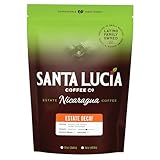
- REFINED ESTATE DECAF - Santa Lucia Coffee’s Estate Decaf Roast is naturally decaffeinated using a gentle process that preserves the bean's integrity. This smooth, full-bodied roast reveals layers of rich cocoa, toasted almond, and soft citrus. Crafted from shade-grown beans harvested on small, family-owned farms in Nicaragua’s high-altitude mountains, it delivers depth without the caffeine.
- LOW ACID, SMOOTH & GENTLE - Expertly roasted to reduce acidity while enhancing natural flavor, this decaf coffee is exceptionally smooth and easy on the stomach. Perfect for coffee lovers seeking a bold yet gentle cup, it provides everyday enjoyment without the sharpness or discomfort found in high-acid blends.
- VOLCANIC SOIL, HIGH-ALTITUDE GROWN - Our Strictly High Grown (SHG) beans mature slowly in mineral-rich volcanic soil, developing dense structure, refined acidity, and complex layers of flavor for a truly elevated coffee experience.
- SMALL-BATCH ROASTED TO PERFECTION - Expertly roasted to reduce acidity while enhancing natural flavor, this decaf coffee is exceptionally smooth and easy on the stomach. Perfect for coffee lovers seeking a bold yet gentle cup, it provides everyday enjoyment without the sharpness or discomfort found in high-acid blends.
- ETHICALLY SOURCED, WOMEN & LATIN OWNED TRADITION - Roasted by a family-run, Latin and women owned business with over 30 years of specialty coffee heritage. Santa Lucia supports sustainable practices that empower Nicaraguan farming communities.
Coffee-to-water ratio
This is where you control the strength. A common starting point is one to two teaspoons of instant coffee per 6 ounces of water. But honestly, it’s personal preference. Don’t be afraid to experiment. If you like it strong, add more coffee. If you like it milder, use less. The key is to be consistent once you find what you like. A little scale can be your best friend here, even for instant.
Cleanliness/descale status
Even though you aren’t dealing with grounds, cleanliness still matters. Make sure your mug is clean. Any residue from previous drinks can affect the taste. If you use a kettle, make sure it’s clean and descaled if you have hard water. Mineral buildup can affect water temperature and taste. It’s a simple step, but it makes a difference.
Step-by-step (brew workflow)
1. Gather your supplies.
- What to do: Get your favorite mug, a clean spoon, your chosen instant coffee, and your kettle or water source.
- What “good” looks like: Everything is within easy reach, and your mug is clean.
- Common mistake: Grabbing a dirty mug or a spoon with old coffee residue. Avoid this by rinsing your mug and spoon first.
2. Heat your water.
- What to do: Heat fresh, filtered water to about 195-205°F.
- What “good” looks like: The water is steaming but not violently boiling.
- Common mistake: Boiling the water too long or adding instant coffee to water that’s still at a rolling boil. This scorches the coffee. Let it rest for 30-60 seconds after boiling.
3. Measure your instant coffee.
- What to do: Add your desired amount of instant coffee to the mug. A good starting point is 1-2 teaspoons per 6 oz of water.
- What “good” looks like: You’ve measured consistently, or you’re adding your preferred amount for your taste.
- Common mistake: Eyeballing it every time, leading to inconsistent strength. Use a measuring spoon or even a small kitchen scale for accuracy.
4. Add a splash of hot water.
- What to do: Pour just enough hot water over the instant coffee to create a paste or slurry.
- What “good” looks like: The coffee granules are starting to dissolve and form a thick, syrupy mixture.
- Common mistake: Adding all the water at once. This can lead to clumps and uneven dissolving.
5. Stir the paste.
- What to do: Stir the coffee paste vigorously with your spoon.
- What “good” looks like: The paste is smooth and starting to break down.
- Common mistake: Not stirring enough. This is the foundation for avoiding undissolved clumps later.
6. Add the remaining hot water.
- What to do: Slowly pour the rest of your hot water into the mug.
- What “good” looks like: The water mixes easily with the coffee paste, and you see rich color developing.
- Common mistake: Dumping the rest of the water too fast. This can cause splashing or make it harder to fully dissolve the coffee.
7. Stir until dissolved.
- What to do: Stir the entire mixture until all the instant coffee granules are fully dissolved.
- What “good” looks like: The coffee is a uniform color, with no visible powder or grit at the bottom.
- Common mistake: Thinking it’s dissolved when there are still tiny bits at the bottom. Keep stirring until it’s completely smooth.
8. Add milk and sugar (optional).
- What to do: Add your preferred amount of milk, cream, or sugar.
- What “good” looks like: Your additions blend in well without making the coffee watery or overly sweet.
- Common mistake: Adding cold milk to very hot coffee, which can cool it down too much. Let the coffee cool slightly before adding milk if you prefer it warm, not hot.
9. Stir again.
- What to do: Stir gently to combine your additions.
- What “good” looks like: Everything is evenly distributed.
- Common mistake: Not stirring enough after adding milk or sugar, leaving sweet spots or streaks.
10. Enjoy your cup.
- What to do: Sip and savor your delicious cup of instant coffee.
- What “good” looks like: A smooth, flavorful cup that hits the spot.
- Common mistake: Rushing the process and not appreciating the surprisingly good result you just created.
Common mistakes (and what happens if you ignore them)
| Mistake | What it causes | Fix |
|---|---|---|
| Using tap water with off-flavors | Metallic, chlorine, or earthy notes that mask coffee flavor. | Use filtered or bottled water. |
| Using water that’s too hot | Scorched, bitter, and acrid coffee taste. Ruins the delicate notes. | Let boiled water sit for 30-60 seconds before adding to coffee. Aim for 195-205°F. |
| Not stirring enough initially | Clumpy coffee that doesn’t dissolve well, gritty texture. | Make a paste with a little water first, then stir vigorously before adding the rest of the water. |
| Using old, stale instant coffee | Flat, papery, or cardboard-like taste. Loss of aroma. | Store opened instant coffee in an airtight container, away from heat and light. Check expiration dates. |
| Overfilling the mug with coffee | Overly strong, bitter, and potentially undissolved coffee. | Stick to recommended ratios (1-2 tsp per 6 oz) and adjust to your taste. |
| Not stirring until fully dissolved | Gritty texture at the bottom of the mug, uneven flavor distribution. | Stir until no granules are visible. A small amount of sediment can be normal for some types, but avoid obvious powder. |
| Adding milk or sugar too early | Can cool the coffee too much, or sometimes affect how well it dissolves. | Add milk and sugar after the coffee is fully dissolved and the coffee has cooled slightly. |
| Using a dirty mug or spoon | Lingering flavors from previous drinks that contaminate the coffee taste. | Always use a clean mug and spoon. Rinse them before use if unsure. |
| Using low-quality instant coffee | Generally weak, artificial, or unpleasant taste. | Invest in reputable brands known for quality freeze-dried or specialty instant coffee. |
| Not measuring coffee/water consistently | Inconsistent strength and flavor from cup to cup. | Use measuring spoons or a small scale for both coffee and water. This is the easiest way to achieve repeatable results. |
Decision rules (simple if/then)
- If your tap water tastes off, then use filtered water because it significantly improves the coffee flavor.
- If your coffee tastes bitter, then your water was likely too hot, or the coffee is old, because excessive heat or staleness degrades flavor.
- If you have clumps of undissolved coffee, then you didn’t stir enough initially or add enough water to the paste, because proper dissolving requires agitation.
- If your coffee tastes weak, then you need to use more instant coffee or less water, because the ratio determines strength.
- If you’re camping and have no kettle, then use hot water from a thermos or even a microwave (carefully!) because getting the temperature right is important, but sometimes you improvise.
- If your instant coffee is expensive, then treat it like a fine wine and pay attention to water temperature and quality because you’re investing in better flavor.
- If you want a richer, more complex flavor, then look for freeze-dried instant coffee from specialty roasters because they often preserve more of the original bean’s character.
- If you find yourself adding a lot of sugar and cream, then your base instant coffee might not be great, because good instant coffee needs fewer additions to taste good.
- If you’re in a hurry, then skip the paste step and just stir vigorously after adding all the water, because sometimes convenience trumps perfection.
- If you want to avoid a metallic taste, then ensure your kettle is clean and descaled, because mineral buildup can impart off-flavors.
FAQ
What’s the best kind of instant coffee?
Look for freeze-dried instant coffee from reputable brands. These tend to preserve more of the original coffee’s flavor compared to spray-dried methods. Specialty coffee roasters often offer high-quality instant options.
Can I use cold water?
You can, but it won’t dissolve properly without a lot of stirring, and the flavor won’t be as good. Instant coffee is designed to dissolve in hot water. For iced coffee, dissolve it in a small amount of hot water first, then add ice and cold water/milk.
How much instant coffee should I use?
A good starting point is 1 to 2 teaspoons of instant coffee per 6 ounces of hot water. However, this is highly personal. Adjust the amount based on your preference for strength and flavor.
Does it matter what kind of mug I use?
While it won’t drastically change the flavor like the water or coffee itself, using a clean mug is essential. Any residue from previous drinks can impart unwanted tastes. Ceramic or glass mugs are generally preferred.
Why does my instant coffee sometimes taste like cardboard?
This usually means the coffee is old or has been stored improperly. Instant coffee, once opened, can lose its aroma and flavor quickly if exposed to air, light, or moisture. Always store it in an airtight container.
Can I reheat leftover instant coffee?
It’s generally not recommended. Reheating can degrade the flavor further, making it taste even more bitter and stale. It’s best to make a fresh cup.
What’s the difference between instant coffee and regular coffee?
Instant coffee is coffee that has been brewed and then dehydrated into granules or powder. You just add hot water to rehydrate it. Regular coffee requires brewing grounds with water to extract the flavor.
Is instant coffee bad for you?
No, instant coffee is generally safe. It contains caffeine and antioxidants, similar to regular coffee. The main differences are in taste, preparation, and potentially slightly lower levels of certain beneficial compounds due to processing.
What this page does NOT cover (and where to go next)
- Specific brand reviews or comparisons of instant coffee products.
- Detailed comparisons between different dehydration methods (e.g., spray-dried vs. freeze-dried).
- Advanced techniques for making iced instant coffee or specialty coffee drinks.
- The history of instant coffee production.
- How to make your own instant coffee from brewed coffee (though it’s possible, it’s a complex process).
Next, you might want to explore different brands of high-quality instant coffee, learn how to make the perfect iced coffee, or dive into the world of traditional drip or pour-over coffee brewing methods.