
Making a Delicious Cortadito Coffee
Quick answer
- Start with good quality espresso beans, freshly ground.
- Use a dark roast, typically.
- Foam some milk, but not too much – just a little texture.
- Sweeten the espresso with sugar while it’s brewing or immediately after.
- Combine the sweetened espresso and foamed milk.
- Aim for a strong, sweet, slightly milky coffee experience.
- Don’t over-dilute with milk.
Who this is for
- Coffee lovers looking to try a new, exciting drink.
- Home baristas who want to master Cuban-inspired coffee.
- Anyone who enjoys a sweet, strong coffee kick.
What to check first
Brewer type and filter type
You’ll need something that can make espresso or a very strong coffee concentrate. An espresso machine is ideal. A Moka pot is a solid alternative for that intense brew. If you’re using a drip machine, you’ll need to brew it extra strong. Paper filters are common for drip, but espresso machines use a metal portafilter basket. Moka pots use a metal filter. The key is a concentrated coffee base.
Water quality and temperature
Good coffee starts with good water. Tap water can have off-flavors that mess with your brew. Filtered water is best. For espresso, water temperature is critical, usually around 195-205°F. Most espresso machines handle this automatically. If you’re using a Moka pot on the stove, keep an eye on the heat. Too hot and it burns the coffee. Too cool and it’s weak.
Grind size and coffee freshness
This is huge. For espresso, you need a fine, consistent grind. Too coarse and your espresso will be weak and watery. Too fine and it’ll choke the machine or taste bitter. Freshly roasted beans, ground right before brewing, make a world of difference. Pre-ground coffee loses its punch fast. Look for beans roasted within the last few weeks.
For the best flavor, always use freshly roasted espresso beans, ground right before brewing. You can find excellent quality espresso beans online.
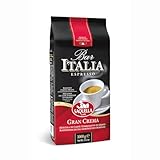
- AUTHENTIC ITALIAN ESPRESSO EXPERIENCE: From Saquella Caffè, family coffee roasters in Italy since 1856 — blending heritage, passion, and quality in every bean.
- FULL-BODIED & CREAMY FLAVOR: A signature Arabica and Robusta blend that delivers a bold espresso with a thick, velvety crema and lingering chocolate notes.
- MEDIUM-DARK ROAST: Carefully roasted for a rich aroma and balanced taste — smooth yet intense, ideal for espresso, cappuccino, or macchiato.
- CONSISTENT QUALITY: Beans are slow-roasted and expertly blended to ensure uniform extraction and a true Italian café-style experience at home.
- MADE IN ITALY: Imported directly from Italy — Saquella Bar Italia Gran Crema is the choice of professional baristas and espresso lovers worldwide.
Coffee-to-water ratio
For cortadito, the coffee base is everything. You want a strong shot. For a standard espresso, a common ratio is 1:2 (coffee grounds to liquid espresso). So, 18 grams of coffee for 36 grams of espresso. For a Moka pot, you fill the basket, and the water level is just below the valve. It’s more about volume than precise ratios, but you want a concentrated result.
Cleanliness/descale status
A dirty machine makes dirty coffee. Seriously. Old coffee oils build up and turn rancid, giving your brew a bitter, unpleasant taste. Descale your machine regularly according to the manufacturer’s instructions. Clean your portafilter, basket, and steam wand after every use. A clean setup is fundamental to good flavor. I learned that the hard way early on.
Step-by-step (brew workflow)
Step 1: Prepare Your Espresso Machine or Moka Pot
- What to do: If using an espresso machine, preheat it and your portafilter. If using a Moka pot, fill the bottom chamber with hot water up to the valve.
- What “good” looks like: The machine is hot and ready. The Moka pot water is hot and below the safety valve.
- Common mistake: Not preheating your equipment. This leads to a lukewarm, weak shot.
- Avoid it: Turn on your machine 15-20 minutes before you plan to brew.
Step 2: Grind Your Coffee Beans
- What to do: Grind your dark roast coffee beans to a fine, espresso-consistent grind.
- What “good” looks like: The grounds are fluffy and evenly sized, like fine sand.
- Common mistake: Using pre-ground coffee or the wrong grind size.
- Avoid it: Invest in a good burr grinder and grind just before brewing.
Step 3: Dose and Tamp Your Portafilter (Espresso Machine)
- What to do: Fill the portafilter basket with your ground coffee. Distribute it evenly. Tamp it down firmly and level.
- What “good” looks like: A smooth, level puck of coffee with even pressure. No loose grounds around the rim.
- Common mistake: Uneven tamping or tamping too hard/lightly.
- Avoid it: Practice your tamping technique. Aim for consistent pressure.
Step 4: Brew the Espresso
- What to do: Lock the portafilter into your espresso machine and start the brew cycle. For a Moka pot, assemble it and place it on medium heat.
- What “good” looks like: A steady stream of dark, syrupy liquid flowing from the portafilter or Moka pot spout. It should start with a dark brown color and finish with a lighter, reddish-brown crema.
- Common mistake: Brewing too fast or too slow.
- Avoid it: Watch the flow. Espresso should take 25-30 seconds. Moka pot coffee should start gurgling out, not sputtering violently.
Step 5: Sweeten the Espresso
- What to do: While the espresso is still hot, add your desired amount of sugar directly into the espresso. Stir vigorously until dissolved. This is key to the cortadito’s unique texture.
- What “good” looks like: The sugar is completely dissolved, creating a slightly thicker, glossy espresso.
- Common mistake: Adding sugar after the coffee has cooled or not dissolving it fully.
- Avoid it: Sweeten immediately. Stir like you mean it.
Step 6: Steam/Foam the Milk
- What to do: Heat and lightly foam your milk. You want a small amount of microfoam, not stiff peaks.
- What “good” looks like: Warm milk with a thin layer of velvety microfoam. It should be glossy and pourable.
- Common mistake: Over-foaming the milk into stiff cappuccino froth or using milk that’s too cold.
- Avoid it: Aim for just a little aeration. Think “wet paint” texture.
Step 7: Combine Espresso and Milk
- What to do: Pour the sweetened espresso into your serving cup. Then, gently pour the lightly foamed milk over the espresso.
- What “good” looks like: The milk integrates with the espresso, creating a balanced drink with a hint of foam on top.
- Common mistake: Pouring too much milk or pouring too aggressively, which can break the crema.
- Avoid it: Pour slowly and steadily. Let the milk blend naturally.
Step 8: Serve and Enjoy
- What to do: Serve immediately.
- What “good” looks like: A warm, aromatic cup of cortadito ready to be sipped.
- Common mistake: Letting it sit too long.
- Avoid it: Drink it while it’s fresh and at its best.
Common mistakes (and what happens if you ignore them)
| Mistake | What it causes | Fix |
|---|---|---|
| Using stale coffee beans | Weak, flat flavor; lack of crema. | Use freshly roasted beans (within 2-3 weeks). |
| Incorrect grind size (too coarse) | Under-extracted espresso (sour, watery). | Grind finer. Check your grinder’s settings. |
| Incorrect grind size (too fine) | Over-extracted espresso (bitter, burnt taste), choked machine. | Grind coarser. Ensure your machine can handle the pressure. |
| Not tamping evenly | Channeling (uneven extraction, bitter spots). | Tamp with consistent, firm pressure. |
| Using tap water with strong flavors | Off-flavors in the final drink. | Use filtered or bottled water. |
| Over-foaming milk | Too much stiff foam, not enough creamy texture. | Aerate milk for a shorter time; focus on texture. |
| Not dissolving sugar properly | Gritty texture, uneven sweetness. | Stir vigorously until fully dissolved. |
| Using old, dirty equipment | Bitter, rancid taste. | Clean and descale your brewer regularly. |
| Brewing too hot (Moka pot) | Burnt, acrid coffee. | Use medium heat and monitor closely. |
| Brewing too cold (any method) | Weak, sour coffee. | Ensure your brewer is properly heated. |
Decision rules (simple if/then)
- If your espresso tastes sour, then you likely have an under-extracted shot because your grind is too coarse or your brew time was too short.
- If your espresso tastes bitter, then you likely have an over-extracted shot because your grind is too fine or your brew time was too long.
- If your Moka pot coffee tastes burnt, then you are using too much heat. Lower the flame and try again.
- If your milk won’t foam well, then ensure it’s cold and use whole milk for best results.
- If you don’t have an espresso machine, then a Moka pot is your next best bet for a concentrated coffee base.
- If your coffee tastes weak, then check your coffee-to-water ratio and ensure you’re using enough grounds.
- If you notice channeling in your espresso puck, then your tamping technique needs work. Aim for even pressure.
- If your cortadito is too milky, then you’re using too much milk or not enough espresso. Adjust your proportions.
- If you want a less intense coffee, then you can add a tiny bit more steamed milk, but don’t overdo it.
- If you’re new to this, then start with a dark roast bean known for espresso.
FAQ
What kind of coffee beans are best for a cortadito?
Dark roast beans are traditional. Look for beans with chocolatey or nutty notes. They hold up well to the sugar and milk.
Can I make cortadito without an espresso machine?
Yes. A Moka pot is a fantastic substitute. It brews a concentrated coffee that’s perfect for cortadito. You can also brew a very strong shot with a French press or Aeropress, but it won’t be quite the same.
How much sugar should I use?
This is personal preference. Traditionally, it’s quite sweet. Start with a teaspoon and adjust to your liking. The sugar is dissolved into the hot espresso, which is part of the magic.
What’s the difference between a cortadito and a regular latte?
A cortadito is much stronger and sweeter. It uses a smaller volume of espresso and milk, and the sugar is incorporated into the espresso itself. Lattes are milkier and less intense.
Do I need to foam the milk?
Yes, a little foam is key. You’re not looking for big, stiff bubbles like a cappuccino. Just a light, velvety microfoam that adds a touch of texture.
How do I get that unique sweet texture?
The trick is dissolving the sugar directly into the hot espresso. Stirring it vigorously creates a slightly thicker, glossy base before you add the milk.
What if my espresso shot pulls too quickly?
This usually means your grind is too coarse or you didn’t tamp correctly. Adjust your grind size finer or work on your tamping technique.
What this page does NOT cover (and where to go next)
- Detailed explanations of different espresso machine types (e.g., semi-automatic vs. super-automatic).
- Advanced milk steaming techniques for latte art.
- Historical origins and regional variations of cortadito beyond the basic recipe.
- Troubleshooting specific espresso machine error codes or maintenance issues.
- Comparisons of various Moka pot brands.