
Make Your Home Coffee Taste Better
Quick answer
- Dial in your grind size. Too fine chokes the flow, too coarse makes it weak.
- Use good water. Filtered is usually best. Tap water can have funky tastes.
- Fresh beans matter. Buy whole beans, grind right before you brew.
- Get your coffee-to-water ratio right. It’s the foundation of flavor.
- Keep your gear clean. Old coffee oils are the enemy.
- Check your water temp. Too hot burns, too cool under-extracts.
Who this is for
- Anyone tired of mediocre home coffee. You know it can be better.
- The home brewer looking to level up their daily cup. Small tweaks, big results.
- The coffee enthusiast who wants to understand the “why” behind great flavor.
What to check first
Brewer type and filter type
Different brewers need different approaches. A French press uses a metal filter, letting more oils through. A pour-over uses a paper filter, catching oils and sediment for a cleaner cup. Know what you’re working with.
Water quality and temperature
Your coffee is mostly water. If your tap water tastes off, your coffee will too. Consider a simple water filter. For temperature, aim for 195-205°F. Too hot, and you’ll scorch the grounds. Too cool, and you won’t extract enough flavor.
Grind size and coffee freshness
This is huge. Freshly roasted beans are key. Buy whole beans, and grind them just before brewing. The grind size needs to match your brewer. Think coarse for French press, medium for drip, fine for espresso.
Freshly roasted beans are key. Buy whole beans, and grind them just before brewing. For the best results, consider a quality coffee bean grinder to ensure a consistent grind size for your chosen brewing method.
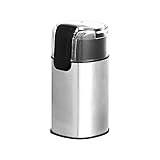
- Electric coffee bean grinder appliance for home use
- Can grind 30 grams/1 ounce of beans for drip coffee brewing in 10 seconds
- Grind coffee beans, herbs, spices, grains, nuts, and more
- Clear safety lid allows you to easily see the results in progress
- Heavy-duty stainless steel grind blade
Coffee-to-water ratio
This is your flavor blueprint. A common starting point is 1:15 to 1:18 (coffee to water by weight). So, for 30 grams of coffee, use 450-540 grams of water. Weighing is best.
Cleanliness/descale status
Old coffee oils build up. They go rancid and make everything taste bitter or stale. Regularly clean your brewer, grinder, and any storage containers. Descaling is also important for machines like drip brewers or espresso machines.
Step-by-step (brew workflow)
1. Heat your water.
- What “good” looks like: Water is just off the boil, around 195-205°F. A kettle with a thermometer is handy.
- Common mistake: Using boiling water straight from the tap. This scorches the coffee. Let it sit for 30-60 seconds after boiling.
2. Weigh your beans.
- What “good” looks like: Accurate measurement based on your desired ratio. If you don’t have a scale, use consistent scoops, but know it’s less precise.
- Common mistake: Eyeballing the amount. This leads to inconsistent strength and flavor.
3. Grind your coffee.
- What “good” looks like: The grind size is appropriate for your brewing method. It should look and feel right – not too powdery, not too chunky.
- Common mistake: Grinding too early or using a blade grinder. Blade grinders create uneven particle sizes. Burr grinders are way better.
4. Prepare your brewer and filter.
- What “good” looks like: Filter is rinsed (if paper) to remove papery taste. Brewer is clean and ready.
- Common mistake: Not rinsing paper filters. This can leave a cardboard taste in your cup.
5. Add coffee grounds to the brewer.
- What “good” looks like: Grounds are evenly distributed.
- Common mistake: Leaving grounds unevenly distributed. This can lead to uneven extraction.
6. Bloom the coffee (for pour-over/drip).
- What “good” looks like: Pour just enough hot water to saturate all the grounds. Wait 30 seconds. You’ll see them bubble and expand.
- Common mistake: Skipping the bloom or pouring too much water. The bloom releases CO2, which can otherwise interfere with extraction.
7. Continue pouring water.
- What “good” looks like: Pouring slowly and steadily, often in a circular motion, keeping the grounds saturated but not flooded.
- Common mistake: Pouring too fast or all at once. This can cause channeling, where water finds easy paths and leaves some grounds under-extracted.
8. Allow the coffee to brew/drip.
- What “good” looks like: The brew time is within the recommended range for your method.
- Common mistake: Rushing the brew or letting it go too long. This directly impacts extraction.
9. Remove the spent grounds.
- What “good” looks like: Grounds are removed promptly once brewing is complete.
- Common mistake: Leaving the grounds in the brewer after brewing. This can continue to extract bitter compounds.
10. Serve and enjoy.
- What “good” looks like: A delicious cup of coffee that tastes balanced and flavorful.
- Common mistake: Letting it sit on a hot plate too long. This bakes the coffee and ruins the flavor.
Common mistakes (and what happens if you ignore them)
| Mistake | What it causes | Fix |
|---|---|---|
| Using stale coffee beans | Flat, dull, or bitter taste | Buy fresh, whole beans and grind just before brewing. |
| Incorrect grind size | Under-extracted (sour) or over-extracted (bitter) | Match grind to brewer type. Coarse for French press, fine for espresso. |
| Wrong water temperature | Scorched (bitter) or weak (sour) flavor | Aim for 195-205°F. Let boiling water rest for 30-60 seconds. |
| Poor water quality | Off-flavors, metallic, or chemical tastes | Use filtered or bottled water. |
| Inconsistent coffee-to-water ratio | Too weak or too strong, unbalanced flavor | Weigh your coffee and water for precision. Start with 1:15 to 1:18. |
| Dirty brewing equipment | Rancid, bitter, or stale taste | Clean your brewer, grinder, and mugs regularly. |
| Skipping the bloom | Sour, uneven extraction | Let grounds bloom for 30 seconds with a small amount of hot water. |
| Uneven pouring (pour-over) | Channeling, leading to weak or bitter coffee | Pour slowly and steadily in a circular motion. |
| Letting coffee sit on burner | Burnt, stale, and metallic taste | Drink immediately or transfer to a thermal carafe. |
| Using pre-ground coffee | Loss of aromatics and flavor compounds | Buy whole beans and grind right before brewing. |
Decision rules (simple if/then)
- If your coffee tastes sour, then try grinding finer because finer grinds increase surface area for better extraction.
- If your coffee tastes bitter, then try grinding coarser because coarser grinds reduce extraction time and intensity.
- If your coffee tastes weak, then increase your coffee-to-water ratio (use more coffee) because you’re not getting enough solubles.
- If your coffee tastes too strong, then decrease your coffee-to-water ratio (use less coffee) because you’re extracting too much.
- If you’re using tap water and your coffee tastes off, then try filtered water because tap water can have impurities affecting flavor.
- If your drip machine brews very quickly, then check the grind size; it might be too coarse because a fast brew time often means under-extraction.
- If your pour-over gets clogged and drains very slowly, then check the grind size; it might be too fine because a fine grind can choke the flow.
- If you notice a film or residue in your brewer, then clean it thoroughly because old coffee oils go rancid and ruin taste.
- If your coffee tastes bland after brewing, then check bean freshness; older beans lose their aromatic compounds.
- If you’re using a French press and get a lot of sediment, then ensure your grind is coarse enough because a finer grind will pass through the metal filter.
- If your espresso is watery and weak, then your grind is likely too coarse and your tamp too light.
- If your espresso is bitter and flows too fast, then your grind is likely too fine and your tamp too hard.
FAQ
How often should I clean my coffee maker?
You should clean your coffee maker regularly, ideally after each use for removable parts. For a full deep clean or descaling, follow the manufacturer’s recommendations, usually monthly or bi-monthly depending on use and water hardness.
What’s the best way to store coffee beans?
Store whole beans in an airtight, opaque container at room temperature. Avoid the refrigerator or freezer, as moisture and temperature fluctuations can degrade the beans.
Does the type of water really matter that much?
Yes, it matters a lot. Coffee is over 98% water, so the taste of your water directly impacts the final cup. Filtered water is generally recommended to remove chlorine and other off-flavors.
How do I know if my coffee beans are fresh?
Freshly roasted beans will have a “roasted on” date, ideally within the last few weeks. They’ll also have a strong aroma and may show signs of degassing (releasing CO2) when you first open the bag.
What is “blooming” and why do I need to do it?
Blooming is the initial wetting of coffee grounds with hot water. It allows trapped CO2 gas to escape, which prevents uneven extraction and results in a more balanced and flavorful cup.
Can I use a blade grinder instead of a burr grinder?
While a blade grinder can work in a pinch, it produces inconsistent particle sizes, leading to uneven extraction. A burr grinder provides a much more uniform grind, which is crucial for better-tasting coffee.
How much coffee should I use for a single cup?
A good starting point is about 15-18 grams of water for every 1 gram of coffee. For a standard 8oz cup (about 240ml or grams of water), you’d use roughly 13-16 grams of coffee. Adjust to your taste.
My coffee tastes weak, what’s wrong?
A weak taste usually means under-extraction. Check your grind size (try finer), your coffee-to-water ratio (use more coffee), or your water temperature (ensure it’s hot enough).
What this page does NOT cover (and where to go next)
- Specific brewing guides for every single type of brewer (e.g., Aeropress, Moka Pot).
- Advanced techniques like latte art or complex espresso machine calibration.
- Detailed analysis of different coffee bean varietals and their origins.
- Deep dives into water chemistry beyond basic filtration.
- Recipes for coffee-based drinks beyond a standard cup.