
Make Perfect Keto Iced Coffee At Home Easily
Quick answer
- Brew your coffee strong and let it cool.
- Use a low-carb sweetener and full-fat creamer.
- Add ice cubes made from coffee for extra flavor.
- Blend for a frothy, satisfying drink.
- Adjust ingredients to your taste.
- Don’t over-sweeten; let the coffee shine.
Who this is for
- Folks on a ketogenic diet looking for a coffee treat.
- Anyone who enjoys iced coffee but wants to skip the sugar and carbs.
- Home brewers who want to master a specific coffee style.
What to check first
Brewer type and filter type
This matters for flavor extraction. A French press gives you a richer body, while a pour-over offers a cleaner cup. Paper filters catch more oils, affecting the final taste.
Water quality and temperature
Good water makes good coffee. Filtered water is usually best. For iced coffee, you’ll brew hot, so aim for 195-205°F water. Too cool, and you won’t extract enough flavor. Too hot, and you can scorch the grounds.
Grind size and coffee freshness
Freshly roasted beans ground right before brewing are key. For most hot brewing methods, a medium grind works well. If it’s too fine, it can over-extract and become bitter. Too coarse, and it’ll be weak.
Coffee-to-water ratio
This is your strength control. A good starting point for strong coffee is around 1:15 (grams of coffee to grams of water). For iced coffee, you might go a bit stronger, like 1:12, to account for the dilution from ice.
Cleanliness/descale status
Nobody likes coffee that tastes like old oil. Make sure your brewer and grinder are clean. If you have a machine, descale it regularly. Mineral buildup ruins flavor and machine performance.
Step-by-step (brew workflow)
1. Grind your beans.
- What to do: Grind your fresh coffee beans to a medium consistency.
- What “good” looks like: The grounds should look like coarse sand.
- Common mistake: Grinding too fine, which can clog filters and lead to bitter coffee. Avoid this by using a burr grinder and checking the texture.
2. Heat your water.
- What to do: Heat filtered water to 195-205°F.
- What “good” looks like: The water is steaming, not actively boiling.
- Common mistake: Using boiling water, which can scorch the coffee grounds. Let it sit for about 30 seconds after boiling.
3. Prepare your brewer.
- What to do: Rinse your filter (if using paper) with hot water. This removes paper taste and preheats the brewer.
- What “good” looks like: The filter is saturated and warm.
- Common mistake: Forgetting to rinse the filter. This can leave a papery taste in your final cup.
4. Add coffee grounds.
- What to do: Add your measured coffee grounds to the brewer.
- What “good” looks like: An even bed of grounds.
- Common mistake: Tamping down the grounds too much. This restricts water flow. Just level them out.
5. Bloom the coffee.
- What to do: Pour just enough hot water to saturate the grounds, then wait 30 seconds.
- What “good” looks like: The grounds puff up and release CO2.
- Common mistake: Skipping the bloom. This step releases trapped gases for better flavor extraction.
6. Brew the coffee.
- What to do: Continue pouring water slowly and steadily over the grounds, following your brewer’s method. Aim for a brew time of 3-4 minutes for most methods.
- What “good” looks like: A steady stream of coffee dripping into your carafe.
- Common mistake: Pouring water too fast or too slow. This messes with extraction time. Pour in concentric circles.
7. Cool the coffee.
- What to do: Let the brewed coffee cool to room temperature, or chill it in the fridge.
- What “good” looks like: The coffee is no longer steaming hot.
- Common mistake: Pouring hot coffee directly over ice. It melts the ice too fast, diluting your drink. Patience is a virtue here.
8. Prepare your keto additions.
- What to do: While the coffee cools, gather your keto-friendly sweetener (like erythritol or stevia), heavy cream or coconut milk, and any flavorings.
- What “good” looks like: Everything is ready to go.
- Common mistake: Not having your additions ready. You want to mix it all when the coffee is cool.
While the coffee cools, gather your keto-friendly sweetener, heavy cream or full-fat coconut milk, and any flavorings.

- POWDER CREAMER FOR ALL-DAY ENERGY. Made with MCT oil, coconut, and a pinch of pink Himalayan salt for a tasty, nutrient-dense, and low-carb beverage booster to supercharge your body.
- KETO & PALEO FRIENDLY. Rich in MCTs and healthy fatty acids to enhance the body’s production of ketones to promote increased metabolism, weight loss, and brain function. No gluten, soy or artificial ingredients
- DIET & WEIGHT MANAGEMENT. Quickly metabolizes to ketone energy, rather than storing as fat, with only 100 calories per serving and helps provide feeling of fullness
- DELICIOUS ADDITION TO COFFEE & TEA. Simply mix 2 tablespoons of creamer to your favorite coffee, tea, or hot cocoa to make any beverage ketogenic
- FUEL YOUR BRAIN & BODY. High-performance powdered creamer helps maximize your weight loss goals, boost metabolism, and increase brain power
While the coffee cools, gather your keto-friendly sweetener, like this popular option, heavy cream or coconut milk, and any flavorings.
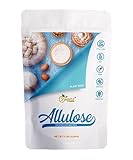
- 【AMAZING TASTE AND CALORIE-FREE】 Allulose is a monosaccharide or simple sugar that naturally exists in some fruits. It closely resembles the flavor of regular sugar but without any unpleasant aftertaste. Allulose is about 70% as sweet as sugar, but contains less than 10% of the calories found in sucrose, making it virtually calorie-free while still providing the natural sweetness of sugar.
- 【GREAT TEXTURE, VOLUME, AND CARAMELIZATION】 Allulose virtually replicates the texture and volume of sugar, while also demonstrating similar caramelization and thickening properties when used in baking and cooking. These exceptional characteristics set allulose apart as an excellent ingredient for achieving desired outcomes in a wide range of culinary applications that align with your healthy lifestyle.
- 【MORE ALLULOSE BLENDS】 Going beyond Allulose, G-Sweetz Allulose sweeteners broaden your options by blending with a variety of intensive sweeteners such as Monk Fruit extract, Stevia Extract, a combination of both, or the classic sucralose. Each sweetener series, derived from Allulose blends, provides a range of sweetness levels from 1X to 20X, ensuring both your sweet tooth and budget are perfectly catered to!
- 【HEALTHY CHOICES】 Upgrade your sweet experience with a sugary-tasting sweetener that's Keto-friendly, containing 0 net carbs. Our allulose is derived from natural ingredients and is free of GMOs, additives, artificial flavors, soy, and gluten. This sweetener is also vegan-friendly, tooth-friendly, and has zero sugar. Enjoy its delicious taste without worrying about any negative side effects.
- 【US QUALITY】 Our products are made and tested in accordance with approved product standards. Our facilities are registered with the FDA and comply with the regulations and licensing requirements of the New Jersey Department of Health and Earth Kosher. For any product inquiries, our US-based live support team is available to assist you.
9. Combine and blend.
- What to do: Pour the cooled coffee into a blender. Add your sweetener, creamer, and flavorings. Add ice cubes (or coffee ice cubes if you made them).
- What “good” looks like: A good amount of liquid and ice for blending.
- Common mistake: Overfilling the blender. You need space for it to mix properly.
10. Blend until smooth.
- What to do: Blend on high speed until frothy and well combined.
- What “good” looks like: A smooth, creamy, and iced beverage.
- Common mistake: Not blending long enough. You want that nice frothy texture.
11. Taste and adjust.
- What to do: Pour into a glass, taste, and add more sweetener or creamer if needed.
- What “good” looks like: It’s perfect for your taste buds.
- Common mistake: Not tasting before serving. You might miss an opportunity to fine-tune it.
Common mistakes (and what happens if you ignore them)
| Mistake | What it causes | Fix |
|---|---|---|
| Using stale coffee beans | Flat, dull, or bitter coffee | Buy freshly roasted beans and grind them just before brewing. |
| Incorrect grind size | Under-extracted (weak, sour) or over-extracted (bitter) | Use a burr grinder and adjust for your brewing method. |
| Water too hot or too cold | Scorched coffee (bitter) or weak flavor | Use a thermometer or let boiling water sit for 30 seconds. |
| Incorrect coffee-to-water ratio | Coffee too weak or too strong | Weigh your coffee and water for consistency. Start with 1:15. |
| Dirty equipment | Off-flavors, rancid taste | Clean your brewer, grinder, and carafe regularly. Descale machines. |
| Not blooming the coffee | Uneven extraction, potential bitterness | Let grounds soak for 30 seconds after initial wetting. |
| Brewing too quickly or too slowly | Under-extraction or over-extraction | Maintain a consistent pour rate and target brew time (3-4 mins). |
| Not cooling coffee before icing | Diluted, watery iced coffee | Let brewed coffee cool to room temp or chill before adding ice. |
| Using sugary syrups/creamer | Breaks keto diet | Opt for sugar-free sweeteners and full-fat dairy/alternatives. |
| Not tasting and adjusting | Sub-optimal flavor, might be too sweet/unsweet | Taste before serving and tweak sweetener or creamer. |
Decision rules (simple if/then)
- If your coffee tastes sour, then your grind is likely too coarse or your water was too cool, because under-extraction causes sourness.
- If your coffee tastes bitter, then your grind is likely too fine or your water was too hot, because over-extraction causes bitterness.
- If your iced coffee tastes watery, then you probably added hot coffee to ice too soon, because the ice melted too fast.
- If you’re craving a richer mouthfeel, then use a French press or add more heavy cream, because these methods and ingredients add body.
- If you want a cleaner tasting coffee, then use a pour-over with a paper filter, because this method removes more oils and fines.
- If your brewed coffee tastes stale, then your beans are too old or were ground too far in advance, because freshness is key to good flavor.
- If you want to avoid a papery taste, then always rinse your paper filter with hot water before adding grounds, because this removes any paper residue.
- If your coffee is too weak, then increase your coffee dose or decrease your water amount (lower ratio), because strength is determined by coffee-to-water ratio.
- If you’re sensitive to sweeteners, then start with a very small amount of stevia or monk fruit, because they are potent and can have an aftertaste.
- If you want to avoid a bitter aftertaste from sweeteners, then try erythritol or xylitol (if you don’t have pets, as xylitol is toxic to dogs), because they have a cleaner taste profile.
- If your blended coffee isn’t cold enough, then add more ice or pre-chill your glass, because proper chilling is crucial for iced coffee.
FAQ
Q: Can I use regular coffee creamer in keto iced coffee?
A: No, most regular creamers are loaded with sugar and carbs. Stick to heavy cream, unsweetened almond milk, or unsweetened coconut milk.
Q: What’s the best way to sweeten keto iced coffee?
A: Use keto-friendly sweeteners like erythritol, stevia, monk fruit, or allulose. Start with a small amount and adjust to your taste.
Q: Can I make coffee ice cubes for my keto iced coffee?
A: Absolutely! Brew extra coffee, let it cool, and freeze it in an ice cube tray. This adds more coffee flavor without diluting your drink.
Q: My keto iced coffee tastes too strong. What should I do?
A: You can add a little more unsweetened creamer or a splash of filtered water to dilute it. Next time, try using a slightly higher coffee-to-water ratio.
Q: How can I make my keto iced coffee creamier?
A: Use heavy whipping cream or full-fat canned coconut milk. Blending it well also helps create a frothy, creamy texture.
Q: Is there a specific type of coffee bean that’s best for iced coffee?
A: Not really, but medium to dark roasts often hold up well to the chilling and dilution process, offering a bolder flavor. Freshness is more important than the origin.
Q: Can I add flavor extracts to my keto iced coffee?
A: Yes, sugar-free flavor extracts like vanilla, hazelnut, or caramel are great additions. Just a few drops can make a big difference.
Q: Why does my coffee taste bitter even when I follow the steps?
A: It could be that your grind is too fine, your water is too hot, or your coffee is over-extracted. Double-check your grind size and water temperature.
What this page does NOT cover (and where to go next)
- Specific brand reviews of coffee makers.
- Detailed guides on advanced brewing techniques like siphon or cold brew.
- In-depth explanations of different coffee bean origins and roast profiles.
- Information on specific dietary variations within keto beyond basic carb counting.
- Troubleshooting for complex espresso machine issues.