
Krups Coffee Maker 1990: Water Reservoir Check
Quick answer
- The Krups Coffee Maker 1990 does not have a removable water reservoir.
- Water is added directly into a fixed reservoir located at the back of the unit.
- If your Krups 1990 is not brewing, the issue is likely not the reservoir itself, but rather how water is or isn’t reaching the heating element.
- Common problems include clogs in the water path, a faulty pump, or an issue with the carafe seating.
- Always ensure the coffee maker is unplugged before attempting any internal checks or cleaning.
- Refer to your owner’s manual for specific troubleshooting steps for your model.
What this problem usually is (and is not)
- This guide addresses common issues when your Krups Coffee Maker 1990 doesn’t seem to be drawing or heating water correctly, leading to no coffee or weak coffee.
- It is not about a removable reservoir, as this model features a fixed, integrated water tank.
- We will focus on the water’s journey from the tank to the brew basket, not on electrical faults or cosmetic damage.
- This guide aims to help you diagnose and fix brewing problems yourself, but it is not a substitute for professional repair if the issue is complex.
- Always prioritize safety: unplug the machine before any hands-on troubleshooting.
- If your machine is leaking significantly, stop use immediately and consult the manual or manufacturer.
Likely causes (triage list)
Water Path Blockages
- Mineral Buildup (Scale): Over time, mineral deposits from tap water can clog the internal tubing and heating element.
- To confirm: Observe if water flow is significantly reduced or non-existent during a brew cycle. A descaling process often resolves this.
- Air Lock: An air bubble can get trapped in the water line, preventing water from being drawn up.
- To confirm: Try tilting the coffee maker slightly or running a brew cycle with just water to see if it dislodges the air.
- Debris in Water Inlet: Small particles from coffee grounds or other sources can obstruct the intake valve from the reservoir.
- To confirm: Visually inspect the water inlet area if accessible, though this is often internal and requires disassembly.
Machine Setup and Component Issues
- Carafe Not Seated Properly: The carafe lid often presses a valve at the bottom of the brew basket, allowing brewed coffee to exit. If it’s not in place, coffee can back up.
- To confirm: Ensure the carafe is pushed firmly into its position under the brew basket.
- Brew Basket Assembly: If the brew basket is not correctly assembled or is damaged, it might affect water flow or coffee grounds containment.
- To confirm: Remove and reassemble the brew basket, ensuring all parts are correctly aligned.
- Faulty Water Pump (if applicable): Some models have a small pump to draw water from the reservoir. If this fails, no water will be heated or brewed.
- To confirm: Listen for any humming or operational sounds during the brew cycle. Lack of sound might indicate a pump issue. (Note: The Krups 1990 is generally a simpler drip coffee maker, often relying on thermal siphoning rather than a dedicated pump for water transfer, but some variations exist. Check your specific model’s operation).
Water Quality and Storage
- Stale Water: Water that has been sitting in the reservoir for a long time can develop an off-taste or slight film, potentially affecting brewing.
- To confirm: Use fresh, filtered water and see if brewing performance improves.
- Type of Water Used: Using very hard or very soft water can impact brewing and scale buildup.
- To confirm: Experiment with filtered or distilled water to see if it changes the outcome.
Fix it step-by-step (brew workflow)
1. Unplug the Machine:
- What to do: Disconnect the power cord from the wall outlet.
- What “good” looks like: The machine is completely powered down and safe to handle.
- Common mistake: Working on a plugged-in appliance. Always unplug first for safety.
2. Empty the Water Reservoir:
- What to do: If there’s any water in the reservoir, carefully pour it out.
- What “good” looks like: The reservoir is empty, allowing you to inspect it and prepare for descaling.
- Common mistake: Not emptying the reservoir before adding cleaning solution or fresh water, which can dilute the cleaning agent.
3. Inspect the Carafe and Brew Basket:
- What to do: Remove the carafe and brew basket. Check the carafe lid for obstructions and ensure it’s clean. Ensure the brew basket is properly seated and free of coffee grounds that might be blocking the filter holder.
- What “good” looks like: The carafe lid is clear, and the brew basket fits snugly into its housing.
- Common mistake: Forgetting to check the carafe lid’s valve mechanism, which is crucial for coffee flow.
4. Perform a Descaling Cycle (Primary Fix):
- What to do: Fill the water reservoir with a mixture of equal parts white vinegar and water, or use a commercial descaling solution according to its instructions. Place an empty carafe on the warming plate. Run a full brew cycle.
- What “good” looks like: The machine hums to life, and water begins to drip into the carafe, indicating the water path is clearing.
- Common mistake: Using too strong a vinegar solution or not running enough rinse cycles afterward, which can leave a vinegary taste.
If you’re looking for a reliable drip coffee maker that’s easy to maintain, consider this model. It’s a great option for everyday use.
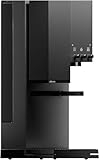
- 1. Three Levels of Automation for Any Skill Level: Choose from Autopilot, Copilot, or Free Solo mode. Autopilot handles the entire brewing process automatically. Copilot provides step-by-step guidance. Free Solo gives you full manual control. This coffee machine works for beginners and professional baristas alike.
- 2. Intuitive User Interface with Tactile Knobs and LED Matrix: The Studio features physical control knobs and a clear LED Matrix display. You can adjust grind size, water temperature, and flow rate in real time without navigating complicated touchscreen menus.
- 3. Full Customization via the xBloom App: Use the xBloom app to create, adjust, save, and share your favorite coffee recipes. Every brewing parameter can be fine-tuned and synced to the machine instantly. Your perfect cup is saved and repeatable.
- 4. Compostable xPod System for Minimal Waste and Maximum Flavor: Each xPod contains carefully selected whole beans and a built-in filter. Tap the recipe card, pour the beans into the grinder, place the pod into the dock, and press start. No capsules, no extra paper filters, no unnecessary waste.
- 5. What Is Included in the Box: The package includes the xBloom Studio, Omni Dripper 2 with Hyperflow Bottom, 10 paper filters, xPod Dock, Magnetic Dosing Cup, default recipe card, quick start guide, cleaning brush, universal power cord, and a 2-Year xbloom brand warranty. Everything you need is included—along with long-term peace of mind.
5. Discard Cleaning Solution:
- What to do: Once the descaling cycle is complete, discard the vinegar-water mixture from the carafe.
- What “good” looks like: The carafe is empty and ready for rinsing.
- Common mistake: Leaving the cleaning solution in the carafe, which can affect the taste of the next brew.
6. Run Rinse Cycles:
- What to do: Fill the water reservoir with fresh, cold water (preferably filtered). Run at least two full brew cycles using only water. Discard the water after each cycle.
- What “good” looks like: The water coming through is clear, and there is no lingering smell or taste of vinegar.
- Common mistake: Not running enough rinse cycles, leading to a permanent vinegar taste in your coffee.
7. Check Water Intake Area (If Visible):
- What to do: With the machine unplugged and empty, look into the water reservoir. If you can see the point where water is drawn into the machine, check for any visible debris. Do not attempt to force anything into this area.
- What “good” looks like: The intake area appears clear of obvious obstructions.
- Common mistake: Trying to poke or prod the water intake with sharp objects, which can damage internal components.
8. Reassemble and Test:
- What to do: Place the clean brew basket and carafe back in their correct positions. Plug the coffee maker back in.
- What “good” looks like: The machine is ready to brew.
- Common mistake: Forgetting to plug the machine back in before attempting to brew.
9. Brew a Test Cup:
- What to do: Add fresh coffee grounds and water according to your usual measurements. Run a full brew cycle.
- What “good” looks like: The coffee maker brews a full carafe of coffee at the expected speed and temperature.
- Common mistake: Assuming the problem is fixed without running a complete brew cycle with coffee.
Prevent it next time
- Descale Regularly: Aim to descale your Krups 1990 every 1-3 months, depending on your water hardness and usage. Check your manual for specific recommendations.
- Use Filtered Water: Employing filtered water significantly reduces mineral buildup and improves coffee taste.
- Fresh Water Daily: Don’t let water sit in the reservoir for extended periods. Empty and refill with fresh water before each brewing session.
- Proper Coffee Ratio: Use the correct amount of coffee grounds for the amount of water. Too much coffee can clog the filter.
- Clean Carafe and Basket: Wash the carafe and brew basket after each use to prevent coffee oil buildup.
- Check Filter Placement: Ensure coffee filters are correctly seated in the brew basket and don’t fold over, which can cause overflow.
- Inspect Power Cord: Periodically check the power cord for any signs of damage.
- Store Safely: Keep the coffee maker in a dry place, away from direct heat or moisture.
Common mistakes (and what happens if you ignore them)
| Mistake | What it causes | Fix |
|---|---|---|
| Not unplugging before cleaning/maintenance | Electric shock hazard, damage to internal components | Always unplug the coffee maker before any hands-on work. |
| Using tap water without filtering | Rapid mineral buildup (scale), reduced water flow, poor coffee taste | Use filtered or bottled water; descale more frequently. |
| Not descaling regularly | Clogged heating element and water lines, slow or no brewing, burnt coffee taste | Perform a descaling cycle with vinegar or descaling solution. |
| Carafe not seated correctly | Coffee backs up in the brew basket, overflows, or doesn’t dispense | Ensure the carafe is pushed firmly into its designated spot, engaging the valve mechanism. |
| Using too much coffee | Filter clogs, grounds overflow into the carafe, slow brewing | Adhere to recommended coffee-to-water ratios. |
| Not running enough rinse cycles after descaling | Lingering vinegar taste in coffee, unpleasant smell | Run at least 2-3 full brew cycles with fresh water until the taste and smell are gone. |
| Leaving old coffee grounds in the basket | Stale taste, potential for mold, can impede water flow | Empty and rinse the brew basket after each use. |
| Forcing objects into the water intake | Damage to internal seals, pump, or heating element | Do not insert anything into the water reservoir’s intake. If clogged, try descaling or gentle tilting. |
| Not cleaning the carafe lid | Valve mechanism on lid can get stuck, preventing coffee flow | Wash the carafe lid thoroughly with soap and water after each use. |
Decision rules (simple if/then)
- If water is not heating but the machine is on, then check if the power cord is securely plugged in, because a loose connection will prevent heating.
- If no water is being drawn from the reservoir, then try running a brew cycle with just water, because this can help dislodge an air lock.
- If water is drawn but brews very slowly, then perform a descaling cycle, because mineral buildup is constricting the water flow.
- If coffee overflows the brew basket, then check that the carafe is properly seated, because the carafe lid engages a valve that allows coffee to drain.
- If coffee tastes like vinegar, then run at least three more rinse cycles with fresh water, because residual descaling solution is still present.
- If the machine makes no sound during a brew cycle, then check the power outlet and the machine’s power switch, because it might not be receiving power.
- If coffee is weak and watery, then check your coffee-to-water ratio and grind size, because too coarse a grind or too little coffee will result in under-extraction.
- If water flows freely but no coffee brews, then inspect the brew basket and filter placement, because a displaced filter or clogged grounds can impede brewing.
FAQ
Q: Does the Krups Coffee Maker 1990 have a removable water reservoir?
A: No, this model features a fixed, integrated water reservoir located at the back of the unit.
Q: How do I clean the water reservoir if it’s not removable?
A: You can clean it by performing a descaling cycle using a mixture of white vinegar and water or a commercial descaling solution, followed by several fresh water rinse cycles.
Q: My Krups 1990 isn’t brewing. What should I check first?
A: Ensure the machine is plugged in, the carafe is properly seated, and the water reservoir has enough fresh water. Then, consider running a descaling cycle.
Q: Can I use any type of cleaner in the water reservoir?
A: It’s best to use white vinegar diluted with water or a descaling solution specifically designed for coffee makers. Avoid harsh chemicals.
Q: How often should I descale my Krups Coffee Maker 1990?
A: Descaling frequency depends on your water hardness and usage, but generally every 1-3 months is recommended.
Q: What if I see sediment in the water reservoir?
A: This is likely mineral buildup from your water. Perform a descaling cycle to remove it.
Q: My coffee tastes bitter. What could be the cause?
A: Bitter coffee can result from old coffee grounds, a dirty brew basket, or the machine needing a descaling.
What this page does NOT cover (and where to go next)
- Internal Electrical Component Failure: This guide does not cover diagnosing or repairing issues with the heating element, internal wiring, or the power switch itself. If you suspect an electrical fault, consult the manual or a qualified technician.
- Motor or Pump Repair: While some models might have a small pump, this guide focuses on water flow issues that can be resolved with cleaning. Complex pump failures require specialized repair.
- Specific Model Variations: The Krups 1990 might have slight variations. Always refer to your specific owner’s manual for precise details about your unit.
- Cosmetic Damage: This guide does not address scratches, cracks in the plastic casing, or other external aesthetic issues.
- Advanced Troubleshooting: For issues not resolved by descaling or basic checks, it may be time to consult the manufacturer’s support or consider replacing the appliance.
