
Is Coffee Extract Safe? Potential Health Risks
Quick Answer
- Coffee extract is generally considered safe for consumption when used as directed.
- Potential risks are usually linked to excessive intake or specific sensitivities.
- Some individuals may experience digestive upset or jitters due to caffeine.
- Always check product labels for recommended serving sizes and ingredients.
- If you have pre-existing health conditions, consult a healthcare professional.
- Be mindful of added sugars or artificial ingredients in some flavored extracts.
Key Terms and Definitions
- Coffee Extract: A concentrated liquid form of coffee, often made by steeping coffee grounds in a solvent like water or alcohol.
- Caffeine: A natural stimulant found in coffee beans, known for its energizing effects.
- Solvent: A substance used to dissolve another substance; in coffee extract, common solvents include water, alcohol, or glycerin.
- Concentration: The amount of a substance (like coffee flavor compounds or caffeine) present in a given volume of the extract.
- Serving Size: The recommended amount of a product that should be consumed at one time.
- Digestive Upset: Discomfort in the stomach or intestines, which can include bloating, gas, or nausea.
- Jitters: A feeling of nervousness, restlessness, or shakiness, often caused by consuming too much caffeine.
- Allergens: Substances that can cause an allergic reaction in susceptible individuals.
- Additives: Ingredients added to a product for flavor, preservation, or other purposes, such as sugar or artificial sweeteners.
- Food Grade: Indicates that a substance is safe for human consumption.
How Coffee Extract Works
- Coffee extract captures the volatile aromatic compounds and flavor components of coffee.
- It is typically produced by steeping roasted coffee beans in a liquid solvent.
- The solvent draws out the desired coffee essences, leaving behind the solid grounds.
- After steeping, the liquid is filtered to remove any solid particles.
- The liquid is then concentrated, often through evaporation, to create a potent flavor base.
- This concentrated liquid can be used in various culinary applications.
- Different extraction methods and solvents can yield different flavor profiles and shelf lives.
- The final product is a shelf-stable liquid that imparts coffee flavor without the need for brewing.
- It offers a convenient way to add coffee taste to foods and beverages.
- The intensity of the flavor depends on the concentration of the extract.
For a convenient way to add coffee taste to your culinary creations, consider a high-quality liquid coffee concentrate. These products capture the essence of coffee in a potent, shelf-stable form.
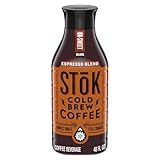
- Plenty to Go Around: One 48 fl oz bottle of ready to drink Unsweetened, Black, SToK Espresso Blend Cold Brew Coffee with 195 mg caffeine per 12 oz serving
- Brewed Low and Slow: SToK Espresso Blend Cold Brew Coffee drinks are steeped for at least 10 hours to bring you a dialed-in smoothness that’s never bitter
- Still Smooth: SToK's boldest brew with nutty, chocolaty, caramelized, smoky and dried fruit flavor notes
- Flavor Inspiration: Check out all the SToK cold brew coffee flavors, like Bright & Mellow and Not Too Sweet, so you can turn your passion for cold brew into action
- Make a Difference: SToK Cold Brew Coffee is made with responsibly-grown, Rainforest Alliance Certified beans
What Affects the Result
- Quality of Coffee Beans: The origin, roast level, and freshness of the beans used to make the extract significantly impact the final flavor.
- Extraction Method: Whether the extract is made using hot water, cold water, alcohol, or glycerin will influence the types of compounds extracted and the resulting taste.
- Concentration Level: A more concentrated extract will have a stronger coffee flavor and potentially a higher caffeine content per serving.
- Solvent Used: Different solvents can extract different flavor molecules, leading to variations in taste and aroma. For example, alcohol extracts can capture different notes than water extracts.
- Added Ingredients: Some commercially produced coffee extracts may contain added sugars, artificial flavors, or preservatives, which can affect both taste and perceived healthfulness.
- Serving Size: Consuming a larger-than-recommended serving size can lead to an overconsumption of caffeine or other compounds.
- Individual Sensitivity: People have varying sensitivities to caffeine and other compounds in coffee, meaning what is safe for one person might cause adverse effects in another.
- Storage Conditions: Improper storage, such as exposure to heat or light, can degrade the quality and flavor of the extract over time.
- Purity of Ingredients: The presence of any contaminants or impurities in the coffee beans or extraction process can affect the safety of the final product.
- Formulation of the Product: Whether the extract is pure or part of a larger product (like a flavored syrup) will determine the overall impact.
- Dietary Restrictions: Individuals with specific dietary needs (e.g., avoiding alcohol or certain sweeteners) must check ingredient lists carefully.
- Processing Time: The duration of the extraction process can influence how much flavor and caffeine is pulled into the extract.
Pros, Cons, and When it Matters
- Pro: Intense Flavor: Coffee extract provides a powerful coffee flavor that can be difficult to achieve with brewed coffee in certain applications, like baking or confections.
- Con: Potential for Overconsumption: Due to its concentrated nature, it’s easy to use too much, leading to excessive caffeine intake.
- Pro: Convenience: It offers a quick and easy way to add coffee flavor without brewing.
- Con: Caffeine Content: If you are sensitive to caffeine or trying to limit your intake, the caffeine in coffee extract can be a concern.
- Pro: Shelf Stability: Extracts generally have a longer shelf life than brewed coffee, making them a pantry staple.
- Con: Artificial Additives: Some commercial extracts may contain artificial flavors, colors, or sweeteners, which may not be desirable for health-conscious consumers.
- Pro: Versatility: Can be used in a wide range of recipes, from desserts and beverages to savory dishes.
- Con: Cost: High-quality, pure coffee extracts can sometimes be more expensive than buying coffee beans.
- Pro: Consistent Flavor: Provides a reliable and consistent coffee flavor profile, unlike brewed coffee which can vary.
- Con: May Lack Nuance: Lacks the complexity and subtle notes found in freshly brewed specialty coffee.
- Pro: Alcohol-Based Options: Some extracts use alcohol as a solvent, which can preserve certain flavor compounds very effectively.
- Con: Alcohol Content: If alcohol is used as a solvent, some residual alcohol may be present, which might be a concern for some users.
- Pro: Caffeine-Free Options: Extracts can be made from decaffeinated coffee, offering flavor without the stimulant effect.
- Con: Digestive Issues: For some individuals, even in small amounts, the compounds in coffee extract can cause digestive discomfort.
- Pro: Easy to Measure: Liquid extracts are easy to measure precisely for recipes.
- Con: Masking Other Flavors: The strong flavor can sometimes overpower other delicate ingredients in a dish.
Common Misconceptions
- Misconception: All coffee extracts are the same. In reality, the flavor, strength, and even the presence of caffeine can vary significantly based on the beans, extraction method, and concentration.
- Misconception: Coffee extract is inherently unhealthy. Like many food ingredients, its health impact depends on the quantity consumed and the presence of any added sugars or artificial ingredients.
- Misconception: Coffee extract contains no caffeine. Many coffee extracts are made from regular coffee and therefore contain caffeine. Caffeine-free versions are available but must be specifically labeled as such.
- Misconception: You can’t get sick from coffee extract. While generally safe, consuming excessively large amounts can lead to caffeine-related side effects like jitters, insomnia, or digestive upset.
- Misconception: Coffee extract is just flavored water. True coffee extracts are concentrated essences of coffee flavor, not simply water with added flavoring.
- Misconception: Alcohol-based extracts are always alcoholic beverages. While alcohol is used as a solvent, most of it evaporates during the concentration process, leaving minimal to no residual alcohol in the final product. However, it’s always best to check the product label.
- Misconception: Coffee extract is only for desserts. Coffee extract can be a surprisingly versatile ingredient, adding depth to savory dishes like marinades, rubs, or stews.
- Misconception: The darker the extract, the stronger the flavor. Color is not always an indicator of flavor intensity or caffeine content. Roast level and extraction efficiency play bigger roles.
- Misconception: You need to brew coffee to get coffee flavor. Extracts offer a convenient alternative for adding coffee taste when brewing is not feasible or desired.
- Misconception: Coffee extract will taste exactly like brewed coffee. While it imparts coffee flavor, the extraction process and concentration can alter the nuanced taste profile of freshly brewed coffee.
FAQ
Q: Can drinking coffee extract make you sick?
A: Generally, no, if consumed in moderation as recommended. Excessive intake, however, can lead to side effects like jitters or digestive upset due to caffeine or other compounds.
Q: Is coffee extract safe for children?
A: It is advisable to use coffee extract sparingly or avoid it for young children due to its caffeine content, which can affect their developing systems. Always check product labels for specific warnings.
Q: How much caffeine is in coffee extract?
A: The caffeine content varies greatly depending on how it was made. Some extracts are highly concentrated, while others are made from decaffeinated coffee. Always check the product’s nutritional information if available.
Q: Can I use coffee extract if I am pregnant or breastfeeding?
A: It’s best to consult with your healthcare provider. While small amounts might be acceptable, the caffeine content and other compounds could be a concern.
Q: What are the main health risks associated with coffee extract?
A: The primary risks are related to overconsumption of caffeine, which can cause anxiety, insomnia, rapid heart rate, or digestive issues. Sensitivities to specific ingredients in the extract can also cause problems.
Q: Are there alcohol-free coffee extracts?
A: Yes, many coffee extracts are made using water or glycerin as the solvent, making them alcohol-free. Look for labels that specify “alcohol-free” if this is important to you.
Q: How should I store coffee extract to keep it safe?
A: Store coffee extract in a cool, dark place, tightly sealed. Follow the manufacturer’s instructions on the label for best results and to maintain its quality and safety.
Q: What if I have a sensitivity to coffee?
A: If you experience adverse reactions to coffee, it’s likely you will react to coffee extract as well. It’s best to avoid it or use it with extreme caution and in very small amounts.
What This Page Does Not Cover (and Where to Go Next)
- Specific brand comparisons or recommendations for coffee extracts.
- Detailed nutritional breakdowns for every type of coffee extract.
- Recipes that utilize coffee extract.
- The chemical processes involved in advanced coffee extraction techniques.
- The history of coffee extract production.