
How To Properly Make Great Instant Coffee
Quick answer
- Use good quality instant coffee. Not all brands are created equal.
- Always start with fresh, filtered water. Tap water can mess with the flavor.
- Heat your water to the right temperature. Too hot burns it, too cool doesn’t dissolve it.
- Measure your coffee and water. Consistency is key for good flavor.
- Stir until fully dissolved. No one likes gritty coffee.
- Add your favorite milk or creamer after dissolving. Don’t shock the coffee.
- Taste and adjust. You’re the boss of your cup.
Who this is for
- The busy traveler who needs a quick, decent cup on the go.
- The camper who wants a warm drink without fussing with gear.
- Anyone who thinks instant coffee is just “okay” but wants to make it better.
What to check first
This isn’t rocket science, but a few things make a big difference.
Brewer type and filter type
For instant coffee, you don’t really have a “brewer” in the traditional sense. It’s more about the vessel you’re mixing it in. A mug, a travel cup, a thermos – whatever you use will work. No filters needed here, which is part of the appeal. Just make sure your mug is clean. Leftover soap or coffee residue from a previous brew will ruin your instant cup.
Water quality and temperature
This is huge. Start with good water. If your tap water tastes funky, your coffee will too. Filtered water is your friend. For temperature, aim for around 185-200°F (85-93°C). Just off the boil is usually perfect. Boiling water can scorch the coffee grounds, making them taste bitter. Too cool, and it might not dissolve right, leaving you with a chalky taste. I usually just let my kettle sit for about 30 seconds after it clicks off.
Grind size and coffee freshness
With instant coffee, you’re not grinding beans. The “grounds” are already processed. The key here is the quality of the instant coffee itself. Look for brands that specifically mention “freeze-dried” or “specialty instant.” These tend to have better flavor profiles. And make sure your jar hasn’t been sitting open for months. Freshness still matters, even for instant.
When choosing your instant coffee, look for brands that specifically mention “freeze-dried” or “specialty instant.” These tend to have better flavor profiles and will make a noticeable difference in your cup.
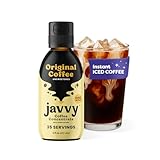
- SMOOTH, CAFÉ-STYLE FLAVOR: Enjoy ultra-smooth cold brew coffee with rich Arabica flavor and no harsh aftertaste. Crafted for iced coffee lovers who want balanced taste, clean ingredients, and a consistently satisfying coffee concentrate experience.
- QUICK & EASY PREP: Make café-inspired cold brew, ice coffee, lattes, decaf, or hot coffee in seconds. Just mix a teaspoon into water or milk for a customizable coffee cold brew experience that fits busy mornings, office breaks, or afternoon resets.
- CUSTOMIZABLE CAFFEINE BOOST: Each serving delivers approximately 80mg of caffeine, giving you the flexibility to create your ideal strength. Enjoy bold espresso concentrate flavor, smooth instant coffee, or dilute for a lighter cold brew experience.
- PREMIUM INGREDIENTS: Brewed with ethically sourced 100% Arabica beans, purified water, and natural flavors. This coffee concentrate liquid contains no sugar, artificial fillers, preservatives, or unnecessary additives for a cleaner cup every time.
- MORE SERVINGS, MORE VERSATILITY: Each bottle makes up to 35 servings of organic cold brew style coffee beverages, giving you more ways to enjoy your favorite drinks. Perfect for iced coffee, cappuccinos, cocktails, protein shakes, and more.
Coffee-to-water ratio
This is where you can really dial it in. Most instant coffee jars will have a recommended ratio, often around 1-2 teaspoons of coffee per 6-8 oz of water. But don’t be afraid to experiment. If you like it stronger, add a little more coffee. If you prefer it milder, use less. A good starting point for a standard mug (about 8 oz) is 2 teaspoons of coffee.
Cleanliness/descale status
Again, this applies to your mug or container. A dirty mug is the fastest way to ruin a good cup of instant coffee. Even a tiny bit of residue can impart off-flavors. If you’re using a travel mug that’s seen better days, give it a good scrub. For electric kettles, a quick descale every few months, especially if you have hard water, will keep your water tasting clean.
Step-by-step (brew workflow)
Let’s get this done right.
1. Boil your water.
- What to do: Heat fresh, filtered water in a kettle until it reaches about 185-200°F (85-93°C).
- What “good” looks like: The water is hot but not violently boiling. Steam is rising, and it’s just past the point of rapid bubbling.
- Common mistake: Using water straight from a rolling boil. This can scorch the coffee. Let it sit for 30 seconds after boiling.
2. Add instant coffee to your mug.
- What to do: Measure your desired amount of instant coffee into your clean mug.
- What “good” looks like: The coffee crystals are dry and look like they’ll dissolve easily.
- Common mistake: Eyeballing the amount. Use a spoon or scoop for consistency.
3. Pour a small amount of hot water over the coffee.
- What to do: Add just enough hot water to cover the coffee crystals, maybe an ounce or two.
- What “good” looks like: The coffee starts to bloom slightly and forms a paste or slurry.
- Common mistake: Pouring all the water at once. This can lead to uneven dissolving and clumps.
4. Stir the coffee paste.
- What to do: Use a spoon to mix the coffee and water into a smooth paste.
- What “good” looks like: A thick, smooth, dark liquid with no dry clumps.
- Common mistake: Not stirring enough. This leaves pockets of undissolved coffee.
5. Add the remaining hot water.
- What to do: Slowly pour the rest of your hot water into the mug.
- What “good” looks like: The water integrates smoothly with the coffee paste, creating a uniform liquid.
- Common mistake: Pouring too fast, which can splash and create foam that hides undissolved coffee.
6. Stir thoroughly.
- What to do: Stir again until the coffee is completely dissolved and the liquid is uniform in color.
- What “good” looks like: No visible coffee crystals or sediment at the bottom or sides of the mug. The liquid is clear and consistent.
- Common mistake: Thinking it’s dissolved when it’s not. Give it a good 15-20 seconds of stirring.
7. Add milk, creamer, or sweetener (optional).
- What to do: Add your preferred additions to the dissolved coffee.
- What “good” looks like: Your additions blend in nicely without creating a watery separation or weird texture.
- Common mistake: Adding cold milk to very hot coffee. This can sometimes shock the coffee and affect flavor. Let the coffee cool slightly first, or add a little cold water.
8. Stir one last time.
- What to do: Gently stir to combine your additions with the coffee.
- What “good” looks like: Everything is fully incorporated.
- Common mistake: Not stirring, leaving a layer of milk or sweetener at the bottom.
9. Taste and adjust.
- What to do: Take a sip. Is it too strong? Too weak? Not sweet enough?
- What “good” looks like: It tastes just how you like it.
- Common mistake: Settling for a “just okay” cup. It’s your coffee, make it great. Add a tiny bit more coffee, water, or sweetener if needed.
Common mistakes (and what happens if you ignore them)
| Mistake | What it causes | Fix |
|---|---|---|
| Using low-quality instant coffee | Flat, bitter, or chemical taste | Buy freeze-dried or specialty instant coffee. |
| Using tap water with off-flavors | Metallic, chlorine, or earthy notes in coffee | Use filtered or bottled water. |
| Using water that’s too hot (boiling) | Burnt, bitter, acrid taste | Let water cool for 30 seconds after boiling (185-200°F). |
| Using water that’s too cool | Coffee doesn’t dissolve fully, chalky taste | Ensure water is hot enough to dissolve the coffee properly. |
| Not stirring enough | Gritty texture, undissolved clumps, weak flavor | Stir vigorously until completely dissolved. |
| Using a dirty mug or container | Lingering stale or soapy flavors | Wash your mug thoroughly with soap and water. |
| Incorrect coffee-to-water ratio (too little) | Weak, watery coffee | Use the recommended ratio or adjust to your taste. |
| Incorrect coffee-to-water ratio (too much) | Overpowering, bitter taste | Use the recommended ratio or adjust to your taste. |
| Adding milk to scalding hot coffee | Can sometimes affect flavor, creates uneven temp | Let coffee cool slightly or add a little cold water before adding milk. |
| Not dissolving the coffee paste completely | Sediment at the bottom, inconsistent flavor | Stir until the liquid is uniform and no crystals are visible. |
| Assuming all instant coffee is the same | Disappointment with flavor and quality | Explore different brands and types of instant coffee. |
Decision rules (simple if/then)
- If your instant coffee tastes bitter, then you might be using water that’s too hot, because boiling water can scorch the delicate instant coffee particles.
- If your coffee has a chalky texture, then your water might be too cool, because hot water is needed to fully dissolve the instant coffee crystals.
- If you notice clumps at the bottom of your mug, then you didn’t stir enough, because proper stirring is essential to break down the coffee and integrate it with the water.
- If your coffee tastes like old socks, then your mug probably wasn’t clean, because residue from previous drinks can impart stale flavors.
- If you want a stronger cup, then add more instant coffee, because the ratio of coffee to water directly impacts the brew’s intensity.
- If you want a milder cup, then use less instant coffee or more water, because controlling the concentration is key to a balanced flavor.
- If your instant coffee has a metallic taste, then your tap water likely has minerals or chemicals that are affecting the flavor, so switch to filtered water.
- If your coffee tastes flat, then the instant coffee itself might be old or low quality, because freshness and brand matter even for instant.
- If you’re adding milk and it looks separated, then the coffee might still be too hot, because extreme temperature differences can sometimes cause dairy to react oddly.
- If your morning cup is just “meh,” then you’re probably not measuring your coffee and water, because consistency in your ratio leads to a predictable, good result.
- If you’re in a hurry and think instant coffee is the only option, then consider investing in a good quality instant brand, because the difference in taste is significant.
FAQ
Q: Does the type of mug really matter for instant coffee?
A: Not really for the brewing process itself, but a clean mug is crucial. Any residual flavors from past drinks or soap can ruin your instant coffee experience.
Q: Can I use cold water to make instant coffee?
A: You can, but it’s not ideal. Cold water won’t dissolve the coffee crystals properly, leading to a gritty texture and weak flavor. Hot water is best.
Q: What’s the best way to store instant coffee?
A: Keep it in an airtight container in a cool, dry place. Avoid moisture and direct sunlight, as these can degrade the flavor over time.
Q: Is instant coffee healthier than brewed coffee?
A: Generally, they have similar health profiles. Instant coffee might contain slightly more antioxidants than some brewed methods, but the differences are usually minimal.
Q: Why does my instant coffee sometimes taste bitter?
A: Bitterness can come from using water that’s too hot, poor quality instant coffee, or an incorrect coffee-to-water ratio.
Q: Can I reheat instant coffee?
A: It’s best not to. Reheating can degrade the flavor and make it taste stale or burnt. It’s better to make a fresh cup.
Q: What does “freeze-dried” instant coffee mean?
A: It’s a method of preserving the coffee’s flavor and aroma. The coffee is frozen, then the water is removed as ice vapor, which is gentler than other drying methods.
Q: How much caffeine is in instant coffee?
A: Caffeine content can vary by brand and serving size, but it’s generally comparable to or slightly less than brewed coffee per ounce.
What this page does NOT cover (and where to go next)
- Specific brand recommendations for instant coffee. (Next: Explore reviews for high-quality instant brands.)
- Advanced techniques for making espresso-style drinks with instant coffee. (Next: Look into recipes for instant espresso or “cowboy coffee” variations.)
- The detailed science behind coffee bean roasting and its impact on flavor. (Next: Research coffee roasting profiles and bean origins.)
- How to use specific electric kettles or coffee machines. (Next: Consult the user manual for your appliance.)