
How to Make Warming Whiskey Coffee
Quick answer
- Start with good coffee. Seriously.
- Use a decent whiskey, nothing too fancy.
- Warm your mug. Crucial step.
- Combine coffee and whiskey in a ratio you like.
- Add sweeteners or cream if that’s your jam.
- Sip it slow. It’s not a race.
Who this is for
- Folks who appreciate a good hot drink after a long day.
- Anyone looking to add a little something extra to their coffee routine.
- Campers who want to elevate their evening brew.
For those who appreciate a good hot drink, especially campers looking to elevate their evening brew, having the right coffee mug is essential. Consider picking up a durable coffee mug from Amazon to enhance your experience.
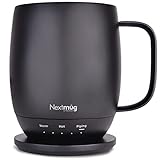
- ALWAYS THE PERFECT TEMPERATURE – The Nextmug will keep your hot coffee, tea or preferred beverage at the perfect temperature wherever you are. Simply select Warm (130° F), Hot (140° F), or Piping (150° F) and enjoy for hours.
- SMART MUG TECHNOLOGY – Long-lasting battery maintains your ideal temperature. LED lights display battery life & real-time temperature. Includes Spill-Resistant Lid & Charging Coaster.
- SUPER SIMPLE – On-board Control Button easily turns mug On/Off & sets the temperature. Takes only seconds to set the mug to your perfect temperature. No app required - no passwords, re-booting or security concerns.
- THE PERFECT GIFT - Give the gift for him and the gift for her that is certain to delight. Perfect for everyone on your list…moms, dads, grandmas, grandpas, teachers, birthdays, graduations and more!
- NEXTMUG CARES - Nextmug cares about our communities and our customers. We care by donating Nextmugs to teachers and first responders . We’re also committed to sustainable packaging by using 100% recyclable materials with all our products. Our dedicated customer service agents are based in the USA and always ready to help.
What to check first
Brewer type and filter type
Whatever you’re using, make sure it’s clean. Coffee oils build up. They go rancid. A clean brewer means clean flavor. Paper filters are fine. Metal filters let more oils through. Both work. Just clean ‘em.
Water quality and temperature
Good water makes good coffee. Tap water can have off-flavors. Filtered water is usually best. For whiskey coffee, you want hot coffee. Not boiling, but hot. Around 195-205°F is the sweet spot for brewing.
Grind size and coffee freshness
Freshly ground beans are king. Pre-ground stuff goes stale fast. Grind size depends on your brewer. Coarse for French press, medium for drip, fine for espresso. Use beans roasted within the last few weeks if you can.
Coffee-to-water ratio
A good starting point is 1:15 to 1:17. That’s grams of coffee to grams of water. For a standard 8oz cup, aim for about 15-18 grams of coffee. Too weak? Use more coffee. Too strong? Use less.
Cleanliness/descale status
This is big. Coffee residue is gross. It makes your coffee taste bitter or stale. If you haven’t descaled your machine in a while, do it. Check your brewer’s manual for specific instructions. A clean machine is a happy machine.
Step-by-step (brew workflow)
1. Brew your coffee.
- What to do: Make a pot or a single cup of your preferred coffee.
- What “good” looks like: A flavorful, aromatic cup of coffee. Not bitter, not sour.
- Common mistake: Using old beans or a dirty brewer. Avoid this by starting fresh and clean.
2. Warm your mug.
- What to do: Pour some hot water into your favorite mug and let it sit for a minute, then dump it out.
- What “good” looks like: A mug that feels warm to the touch.
- Common mistake: Skipping this. Your drink will cool down way too fast.
3. Select your whiskey.
- What to do: Choose a whiskey you enjoy drinking. Bourbon, rye, Irish – whatever floats your boat.
- What “good” looks like: A whiskey that smells and tastes good to you.
- Common mistake: Using the cheapest bottle you can find. It’ll likely taste harsh.
4. Measure your whiskey.
- What to do: Pour your chosen whiskey into the warmed mug. A standard pour is about 1 to 1.5 oz.
- What “good” looks like: The right amount of whiskey for your taste.
- Common mistake: Pouring way too much. You want a hint, not a knockout.
5. Add sweetener (optional).
- What to do: If you like your coffee sweet, add a teaspoon or two of sugar, honey, or syrup.
- What “good” looks like: Sweetness that complements, not overpowers, the coffee and whiskey.
- Common mistake: Adding too much sugar. It masks all the good flavors.
6. Pour the hot coffee.
- What to do: Carefully pour the hot brewed coffee into the mug with the whiskey and sweetener.
- What “good” looks like: The liquids combining smoothly without splashing.
- Common mistake: Pouring too fast, causing overflow. Go slow and steady.
7. Stir gently.
- What to do: Use a spoon to stir the mixture until any sweetener is dissolved.
- What “good” looks like: Everything mixed well. No sugar clumps at the bottom.
- Common mistake: Aggressively stirring and losing heat. Be gentle.
8. Add cream or toppings (optional).
- What to do: If you fancy a bit of cream, a dollop of whipped cream, or a sprinkle of nutmeg, add it now.
- What “good” looks like: A nice finish that enhances the drink.
- Common mistake: Adding cold cream to a hot drink too quickly, causing curdling.
9. Taste and adjust.
- What to do: Take a small sip. Is it too strong? Too sweet?
- What “good” looks like: A balanced flavor profile that hits the spot.
- Common mistake: Not tasting. You might end up with something you don’t love.
10. Enjoy.
- What to do: Find a comfy spot and savor your warming whiskey coffee.
- What “good” looks like: Relaxation and enjoyment.
- Common mistake: Rushing through it. This is meant to be savored.
Common mistakes (and what happens if you ignore them)
| Mistake | What it causes | Fix |
|---|---|---|
| Using stale coffee beans | Bitter, flat, or cardboard-like taste | Use freshly roasted beans, grind just before brewing. |
| Not cleaning your coffee maker | Rancid oils lead to off-flavors, metallic taste | Descale and clean your brewer regularly according to the manual. |
| Using poor quality tap water | Off-flavors that impact coffee and whiskey | Use filtered water or bottled spring water. |
| Incorrect grind size for your brewer | Under-extraction (sour) or over-extraction (bitter) | Match grind size to your brewing method (coarse for French press, etc.). |
| Incorrect coffee-to-water ratio | Weak, watery coffee or overly strong, harsh brew | Start with 1:15 to 1:17 ratio and adjust to your preference. |
| Using a cheap, harsh whiskey | Overpowers coffee, unpleasant burn | Choose a whiskey you genuinely enjoy drinking on its own. |
| Not warming your mug | Drink cools down too quickly | Pre-warm your mug with hot water before brewing. |
| Adding whiskey before coffee (sometimes) | Can mute some of the coffee’s delicate notes | Brew coffee first, then add whiskey for better flavor integration. |
| Too much sweetener | Masks the nuanced flavors of coffee and whiskey | Start with a little sweetener and add more if needed. |
| Drinking too fast | Misses the complexity and warmth | Sip slowly, let the flavors develop. |
Decision rules (simple if/then)
- If your coffee tastes bitter, then try a coarser grind or less coffee because fine grinds can over-extract.
- If your coffee tastes sour, then try a finer grind or hotter water because under-extraction is likely.
- If your whiskey coffee is too strong, then add more hot coffee because it dilutes the alcohol.
- If your whiskey coffee is too weak, then add a little more whiskey or a touch more coffee because you need more flavor.
- If you’re using a French press, then use a coarse grind because finer grinds will pass through the filter.
- If you’re using an automatic drip machine, then use a medium grind because it’s designed for this consistency.
- If you want a smoother drink, then consider a bourbon or a smoother Irish whiskey because they are less harsh.
- If you want a spicier kick, then try a rye whiskey because it has a bolder, spicier profile.
- If you’re sensitive to caffeine, then brew your coffee a little weaker or use less coffee because that reduces the caffeine content.
- If you want to avoid a headache, then drink responsibly and don’t overdo the whiskey because alcohol affects everyone differently.
- If you’re brewing for a crowd, then make a larger batch of coffee first, then add whiskey to individual mugs to control strength.
FAQ
What kind of coffee should I use for whiskey coffee?
Use a good quality, freshly roasted coffee. A medium to dark roast often pairs well with whiskey, but experiment to find what you like. Avoid anything too light and acidic unless that’s your preference.
How much whiskey should I add?
A good starting point is 1 to 1.5 ounces of whiskey per 8-ounce cup of coffee. Adjust this based on your personal preference and the strength of the whiskey.
Can I use any type of whiskey?
You can use any whiskey you enjoy! Bourbon, rye, Irish, and Scotch can all work. Bourbon and Irish whiskey are generally smoother and often recommended for beginners.
What if I don’t like whiskey?
This drink is specifically for those who enjoy whiskey. If you don’t like it, there are plenty of other delicious coffee variations to explore, like Irish coffee (which uses Irish whiskey, but is a distinct drink) or coffee cocktails with other spirits.
Is whiskey coffee a good drink for breakfast?
Generally, it’s more of an evening or after-dinner drink due to the alcohol content. It’s a nice way to wind down.
What’s the best way to sweeten whiskey coffee?
Brown sugar, maple syrup, or a simple syrup work well. They dissolve easily and complement the flavors. Start with a small amount and add more if needed.
How can I make it less bitter?
Ensure your coffee is brewed correctly with fresh beans and a clean machine. Using a slightly darker roast coffee or adding a touch more sweetener can also help.
Can I add cream?
Absolutely. A splash of heavy cream or a dollop of whipped cream can add a luxurious texture and temper the flavors. Just make sure your coffee isn’t scalding hot if you’re adding cold cream.
What this page does NOT cover (and where to go next)
- Specific whiskey recommendations beyond general types. (Next: Explore whiskey tasting notes and regional differences.)
- Detailed brewing guides for every single coffee maker type. (Next: Consult your brewer’s manual or dedicated brewing guides.)
- Advanced latte art or complex coffee drink recipes. (Next: Look into barista training resources or specialty coffee blogs.)
- The history of coffee or whiskey. (Next: Dive into books or documentaries on the origins of these beverages.)
- Recipes for non-alcoholic coffee drinks. (Next: Search for recipes focused on coffee and other spirits or liqueurs.)