
How To Make Iced Coffee Using Hot Brewed Coffee
Quick answer
- Brew your coffee extra strong.
- Use hot, fresh coffee right away.
- Chill it fast.
- Use filtered water for the best taste.
- Don’t use stale beans.
- Measure your coffee and water.
Who this is for
- Anyone who loves iced coffee but wants a quick fix.
- Home brewers who want to use their existing setup.
- People who want to avoid watered-down iced coffee.
What to check first
Brewer type and filter type
What machine are you using? Drip, pour-over, French press? Each has its quirks. Your filter matters too. Paper filters catch more oils, giving a cleaner cup. Metal filters let more through. This affects the final flavor, even when it’s cold.
Water quality and temperature
Tap water can have off-flavors. Use filtered water if you can. It makes a noticeable difference. For hot brew, water temperature is key. Aim for 195-205°F. Too hot burns the beans. Too cool under-extracts.
Grind size and coffee freshness
Freshly ground beans are king. Pre-ground stuff loses its punch fast. The grind size depends on your brewer. Coarse for French press, medium for drip, fine for espresso. Use beans roasted in the last few weeks for best results.
Coffee-to-water ratio
This is where you get it strong. For iced coffee, you need more coffee or less water than usual. A good starting point is a 1:15 ratio (coffee to water). For iced, try 1:10 or even 1:8. Experiment to find your sweet spot.
Cleanliness/descale status
Got gunk in your machine? It ruins taste. Give your brewer a good clean. Descale it regularly. It’s like washing your dishes – gotta do it. A clean machine makes a clean cup.
Step-by-step (brew workflow)
1. Gather your gear. You’ll need your brewer, filter, fresh coffee, filtered water, and a heat-safe vessel for the hot coffee.
- Good looks like: Everything is clean and ready to go.
- Mistake: Using a dirty brewer. Avoid this by cleaning your gear regularly.
2. Heat your water. Get it to that sweet spot, 195-205°F.
- Good looks like: Water is hot but not boiling aggressively.
- Mistake: Boiling water. It can scorch your coffee. Let it sit for 30 seconds after boiling.
3. Grind your beans. Use the correct grind size for your brewer.
- Good looks like: Uniform particle size.
- Mistake: Uneven grind. This leads to uneven extraction. A good grinder helps.
4. Measure your coffee. Use a scale for accuracy. For iced coffee, you’re going to use more.
- Good looks like: Precise measurement based on your chosen ratio.
- Mistake: Guessing the amount. This leads to inconsistent results.
5. Prepare your brewer. Add the filter and coffee grounds.
- Good looks like: Filter is seated properly, grounds are level.
- Mistake: Coffee grounds not evenly distributed. This causes channeling.
6. Bloom the coffee (optional but recommended). Pour just enough hot water to wet all the grounds. Wait 30 seconds.
- Good looks like: Grounds puff up and release CO2.
- Mistake: Skipping the bloom. You miss out on a more even extraction.
7. Brew your coffee. Pour the remaining hot water slowly and evenly. Brew it extra strong.
- Good looks like: A steady stream of coffee flowing into your vessel.
- Mistake: Pouring too fast or all at once. This can lead to over-extraction or under-extraction.
8. Chill it fast. As soon as it’s brewed, get it cold. Pour it directly over ice.
- Good looks like: The hot coffee hitting the ice and cooling rapidly.
- Mistake: Letting hot coffee sit at room temperature. This can develop off-flavors.
To chill your coffee quickly, pour it directly over ice. Having plenty of ice on hand is key, so consider investing in some good ice cube trays.
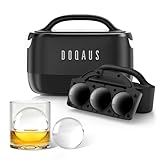
- ✅ Achieve Bar-Quality Clarity with Directional Freezing: Stop settling for cloudy, bubble-filled ice. Our clear ice cube maker utilizes advanced physics to push impurities away, creating 3 crystal-clear spheres and 4 cubes per cycle. It is the secret weapon for the home mixologist wanting presentation-ready drinks without expensive machinery.
- ✅ Preserve Complex Flavors with Slow Dilution: Designed for the purist, this whiskey ice cubes mold produces dense, 2.5-inch ice that melts 40% slower than standard ice. Enjoy your single malt or bourbon chilled but undiluted, ensuring the aromatic profile remains distinct from the first sip to the last.
- ✅ Effortless Release with Premium Hybrid Design: Unlike rigid plastic trays that crack, our flexible silicone ice ball maker mold ensures smooth removal. The non-stick material lets you pop out perfect shapes instantly, making drink preparation seamless for relaxing solo evenings or busy gatherings.
- ✅ Versatile 2-in-1 Capacity for Entertaining: Hosting a cocktail night? This round ice cube mold creates 7 pieces simultaneously, catering to different glass styles. Whether serving an Old Fashioned (sphere) or a Negroni (cube), you will have the right ice shape ready for every guest's preference.
- ✅ The Sophisticated Choice for Gifting: More than just a standard ice mold, this clear ice system is an essential upgrade for any wet bar. Packaged to impress, it creates a tangible experience, making it an ideal gift for fathers, partners, or enthusiasts who value the ritual of a perfectly poured drink.
9. Add ice. Fill a serving glass with ice.
- Good looks like: Plenty of ice to chill the coffee quickly.
- Mistake: Not enough ice. Your coffee won’t get cold enough fast.
10. Pour brewed coffee over ice. This is the key step to dilute the concentrated brew.
- Good looks like: Coffee cools down instantly as you pour.
- Mistake: Adding ice to hot coffee in the brewer. This can crack your brewer.
11. Taste and adjust. Add sweetener or milk if desired.
- Good looks like: Your perfect iced coffee.
- Mistake: Over-sweetening or adding too much milk. You can mask the coffee flavor.
Common mistakes (and what happens if you ignore them)
| Mistake | What it causes | Fix |
|---|---|---|
| Using stale coffee beans | Weak, flat, or bitter taste | Use beans roasted within the last 2-3 weeks. |
| Incorrect grind size | Under-extracted (sour) or over-extracted (bitter) | Match grind size to your brewer type. |
| Water temperature too high/low | Burnt or weak flavor | Aim for 195-205°F. |
| Not brewing strong enough | Watery, diluted iced coffee | Increase coffee dose or decrease water dose for brewing. |
| Letting hot coffee cool slowly | Stale, off-flavors | Chill brewed coffee immediately over ice. |
| Using poor quality water | Off-flavors masking coffee taste | Use filtered or bottled water. |
| Dirty brewing equipment | Grimy, unpleasant taste | Clean your brewer and grinder regularly. |
| Inconsistent coffee-to-water ratio | Variable strength and taste | Use a scale to measure coffee and water accurately. |
| Not blooming the coffee | Uneven extraction, less flavorful cup | Let grounds bloom for 30 seconds before full pour. |
| Over-extracting during the brew | Bitter, harsh taste | Control pour rate and ensure even saturation of grounds. |
| Under-extracting during the brew | Sour, weak, underdeveloped taste | Ensure all grounds are saturated and brew time is sufficient. |
| Not chilling fast enough | Warm, unappetizing iced coffee | Pour hot coffee directly over plenty of ice. |
Decision rules (simple if/then)
- If your iced coffee tastes sour, then you likely under-extracted. Try a finer grind or a longer brew time.
- If your iced coffee tastes bitter, then you likely over-extracted. Try a coarser grind or a shorter brew time.
- If your iced coffee is too weak, then you need to brew it stronger. Use more coffee grounds or less water.
- If your iced coffee is too strong, then you can dilute it with a bit of cold water or milk.
- If you’re using a French press, then use a coarse grind because fine grounds will slip through the filter.
- If you’re using a pour-over, then a medium grind is usually best because it allows for good flow and extraction.
- If your coffee tastes dull, then your beans are probably too old. Try using fresher beans.
- If you notice weird flavors, then your brewing equipment might be dirty. Give it a good clean.
- If you want to avoid a muddy cup with a pour-over, then be gentle with your pour to avoid disturbing the coffee bed too much.
- If you’re short on time, then a quick-brew method like AeroPress or a strong drip brew is your best bet.
- If you want to experiment with flavor, then try adding a pinch of salt to your grounds before brewing to enhance sweetness.
FAQ
Can I just brew coffee and pour it into the fridge?
You can, but it’s not ideal. Letting hot coffee cool slowly at room temperature can lead to stale flavors. It’s better to chill it quickly over ice.
Will this make my coffee taste watered down?
Not if you do it right. The trick is to brew the coffee stronger than usual. Then, the melting ice will dilute it to the perfect strength.
How much stronger should I brew my coffee?
A good starting point is to use about 1.5 to 2 times the amount of coffee you normally would for the same amount of water. You can adjust from there.
What kind of coffee beans are best for iced coffee?
Medium to dark roasts often work well, as their bolder flavors can stand up to the ice and dilution. But really, any good quality bean you enjoy hot can be great iced.
Is there a difference between iced coffee and cold brew?
Yes. Cold brew is steeped in cold water for many hours, resulting in a smoother, less acidic drink. This method uses hot water and a shorter brew time.
Can I use my espresso machine to make iced coffee?
You can make an “iced latte” or “iced americano” by pulling espresso shots over ice and adding milk or water. For a straight iced coffee, it’s not the typical method.
How do I make it less bitter?
Ensure you’re not over-extracting. Check your grind size, water temperature, and brew time. Using filtered water and clean equipment also helps.
Should I add sugar or milk before or after chilling?
It’s usually best to add sweeteners and milk after the coffee has been chilled over ice. This way, you can better judge the final strength and sweetness.
What this page does NOT cover (and where to go next)
- Detailed guides on specific brewer types (e.g., advanced pour-over techniques).
- The science of cold brew coffee extraction.
- Recipes for flavored iced coffee drinks.
- Comparisons of different coffee bean origins for iced beverages.
- Maintenance guides for specific coffee maker brands.