
How To Make Folgers Coffee Without A Coffee Maker
Quick Answer: Can I Make Folgers Coffee Without a Coffee Maker?
- Yes, you can make Folgers coffee without a traditional coffee maker using several simple methods.
- The most common methods involve boiling water and steeping or straining the grounds.
- You’ll need ground coffee (Folgers in this case), hot water, and a way to separate the grounds from the liquid.
- Be mindful of water temperature to avoid burning the coffee and impacting flavor.
- Adjusting the coffee-to-water ratio is key to achieving your desired strength.
- Straining is crucial to prevent gritty coffee.
Who This Is For
- Anyone who has Folgers coffee grounds but no coffee maker readily available.
- Campers, travelers, or those experiencing a power outage who still want a cup of coffee.
- Budget-conscious individuals looking for simple, no-fuss brewing methods.
If you find yourself frequently brewing coffee without a machine, especially while camping or traveling, investing in some dedicated camping coffee gear can make the process much smoother.
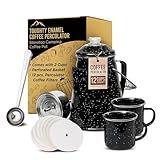
- STURDY ENAMEL BUILD: Crafted from heavy-duty metal and coated with kiln-hardened enamel, this coffee percolator resists scratches, chips, and wear. Ideal for rugged outdoor adventures or daily brewing needs.
- IDEAL FOR CAMPING BREWS: This stovetop coffee maker is designed for use over campfires, grills, or stovetops, delivering rich, flavorful coffee wherever you are. Ideal for camping, hiking, or outdoor gatherings.
- SEE-THROUGH GLASS KNOB FOR PRECISION: The heat-resistant, glass knob lets you monitor the brewing process, offering the ability to adjust the strength of your coffee and adding a classic, nostalgic touch to your brewing experience.
- 12-CUP CAPACITY WITH 2 CUPS AND COFFEE FILTERS INCLUDED: Brew up to 12 cups of coffee, ideal for groups or family. The set includes two enamel cups and 12 coffee filters, making it ideal for sharing coffee during your outdoor adventures.
- VERSATILE AND EASY TO CLEAN: This non-electric coffee maker works on gas, electric, or open fire stovetops. Its simple design ensures hassle-free cleanup, making it the great coffee companion for your outdoor and home brewing needs.
What to Check First: Brewing Folgers Without a Machine
Before you start brewing, a few key elements will ensure a better-tasting cup, even without a dedicated machine.
Brewer Type and Filter Type (Improvised)
Since you don’t have a coffee maker, think about what you do have that can act as a makeshift brewer and filter.
- Improvised Brewer: This could be a heat-safe mug, a small saucepan, or a French press if you have one but no electric brewer.
- Filter Material: You’ll need something to strain the grounds. Options include a fine-mesh sieve, cheesecloth, a clean handkerchief or bandana, or even a paper coffee filter if you have one and a way to hold it.
What to check: Ensure your chosen “filter” is clean and free of any residues that could impart off-flavors. If using cloth, consider rinsing it thoroughly with hot water first.
Water Quality and Temperature
The water you use is more than 50% of your coffee, so its quality and temperature matter.
- Water Quality: Filtered water is always best for coffee. Tap water can sometimes have a chlorine taste or mineral content that affects the final brew.
- Water Temperature: The ideal brewing temperature is typically between 195°F and 205°F (90°C to 96°C). Boiling water (212°F/100°C) can scorch the coffee grounds, leading to a bitter taste.
What to check: If you don’t have a thermometer, bring your water to a boil, then let it sit for about 30-60 seconds off the heat before pouring it over the coffee grounds. This usually brings it into the optimal range.
Grind Size and Coffee Freshness
Folgers is typically pre-ground for standard drip coffee makers.
- Grind Size: For methods like steeping and straining, a medium to coarse grind is generally preferred. If your Folgers is a very fine grind, you might get more sediment.
- Coffee Freshness: While Folgers is known for its shelf stability, freshly opened cans or bags will always yield better flavor than old, stale grounds.
What to check: Visually inspect the grounds. If they look dusty or smell stale, your coffee might not be as flavorful as it could be.
Coffee-to-Water Ratio
Getting this right is crucial for strength and taste. A common starting point is about 1 to 2 tablespoons of coffee for every 6 oz of water.
- Standard Ratio: For a balanced cup, aim for roughly 1:15 to 1:18 coffee to water by weight. Since measuring by weight without a scale can be tricky, using volume is more practical for these methods.
- Adjusting: If you prefer stronger coffee, use more grounds. For weaker coffee, use fewer grounds or more water.
What to check: Have a measuring spoon handy. Start with a standard amount and adjust in future brews based on your preference.
Cleanliness/Descale Status
Even without a coffee maker, the equipment you use for boiling water and brewing needs to be clean.
- Cleanliness: Any pot, mug, or strainer you use should be thoroughly washed. Residue from previous meals or drinks can taint your coffee.
- Descale: If you’re using a kettle or pot that hasn’t been cleaned in a while, mineral buildup can affect water taste and heating efficiency.
What to check: Give your chosen brewing vessels and strainers a good rinse or wash before you begin.
Step-by-Step: Brewing Folgers Without a Coffee Maker
Here’s a common method using a saucepan and a sieve, often called cowboy coffee or a simplified immersion brew.
1. Heat Water:
- What to do: Pour your desired amount of water into a clean saucepan. Heat it on the stove until it reaches just off a boil (around 195°F-205°F / 90°C-96°C).
- What “good” looks like: The water is steaming and has small bubbles forming, but is not violently boiling.
- Common mistake: Boiling the water too vigorously. This can scorch the coffee grounds and make your coffee taste bitter. Avoid this by removing the pot from the heat once it boils and letting it sit for 30-60 seconds.
2. Measure Coffee:
- What to do: While the water heats, measure your Folgers coffee grounds. A good starting point is 1 to 2 tablespoons per 6 oz of water.
- What “good” looks like: You have the right amount of grounds for the amount of water you plan to use.
- Common mistake: Using too much or too little coffee. Too much can lead to an overly strong, bitter cup; too little results in weak, watery coffee. Measure carefully and adjust in future brews.
3. Add Coffee to Pot:
- What to do: Once the water is at the correct temperature, pour it into the saucepan with the measured coffee grounds. Stir gently to ensure all grounds are saturated.
- What “good” looks like: All the coffee grounds are wet and have begun to bloom (expand slightly).
- Common mistake: Pouring boiling water directly onto the grounds. This can cause uneven extraction and bitterness. Let the water cool slightly first.
4. Steep:
- What to do: Place the lid on the saucepan (if you have one) or cover it with a plate. Let the coffee steep for about 4 minutes.
- What “good” looks like: The coffee grounds have settled somewhat at the bottom, and the liquid is dark.
- Common mistake: Steeping for too long or too short. Too short a steep results in weak coffee; too long can over-extract the grounds, leading to bitterness. Stick to the 4-minute mark.
5. Settle Grounds (Optional but Recommended):
- What to do: After steeping, you can add a splash of cold water (about 1-2 tablespoons). This helps the remaining grounds settle to the bottom more effectively.
- What “good” looks like: You see a noticeable settling of grounds at the bottom of the pot.
- Common mistake: Skipping this step entirely, which can lead to more sediment in your cup.
6. Prepare Strainer:
- What to do: Place your fine-mesh sieve over your mug or serving carafe. If using cheesecloth or a handkerchief, secure it over the opening with a rubber band or string.
- What “good” looks like: The strainer is securely in place and ready to catch the coffee grounds.
- Common mistake: Not securing the filter material properly, leading to grounds spilling into your coffee.
7. Pour Carefully:
- What to do: Slowly and carefully pour the brewed coffee from the saucepan through the prepared strainer into your mug.
- What “good” looks like: The coffee flows through the strainer, leaving the grounds behind.
- Common mistake: Pouring too quickly, which can overwhelm the strainer and allow grounds to pass through. Pour slowly and steadily.
8. Discard Grounds:
- What to do: Once you’ve poured all the coffee, carefully remove the strainer and discard the wet grounds.
- What “good” looks like: All grounds are contained within the strainer.
- Common mistake: Letting the grounds sit in the hot liquid for too long after pouring, which can continue to extract and make the coffee bitter.
9. Serve and Enjoy:
- What to do: Add milk, cream, or sugar to your liking.
- What “good” looks like: A delicious cup of coffee made with minimal equipment.
- Common mistake: Drinking it too hot. Let it cool slightly before taking your first sip.
Common Mistakes (and What Happens If You Ignore Them)
| Mistake | What it Causes | Fix |
|---|---|---|
| Using boiling water (212°F/100°C) | Bitter, scorched coffee flavor | Let water sit 30-60 seconds off heat before pouring. |
| Incorrect coffee-to-water ratio | Weak or overly strong, bitter coffee | Measure consistently; adjust 1-2 tablespoons per 6 oz of water. |
| Over-steeping (more than 5-6 minutes) | Bitter, astringent, muddy flavor | Time your steep at around 4 minutes. |
| Under-steeping (less than 3 minutes) | Weak, sour, underdeveloped flavor | Ensure adequate contact time for extraction. |
| Not straining effectively | Gritty coffee, sediment in your cup | Use a fine-mesh sieve or double-layer cheesecloth; pour slowly. |
| Using stale coffee grounds | Flat, dull flavor, lack of aroma | Use freshly opened Folgers; store opened cans/bags tightly sealed. |
| Using poor-quality water | Off-flavors (chlorine, mineral notes) | Use filtered or bottled water if tap water tastes unpleasant. |
| Not cleaning brewing vessels | Unpleasant residual flavors from previous uses | Wash all pots, mugs, and strainers thoroughly before brewing. |
| Pouring too aggressively through filter | Grounds bypass filter, resulting in a gritty cup | Pour slowly and steadily to allow the filter to work effectively. |
| Not letting grounds settle | More sediment in the final cup | Add a splash of cold water after steeping to help grounds sink. |
Decision Rules: Making Folgers Without a Coffee Maker
Here are some simple rules to guide your brewing process:
- If your Folgers grounds seem very fine, then consider using a double layer of cheesecloth or a very fine sieve to prevent sediment, because fine grinds pass through larger holes more easily.
- If you prefer a stronger cup of coffee, then increase the amount of Folgers grounds you use by half a tablespoon per 6 oz of water, because more coffee material means more dissolved solids.
- If your coffee tastes weak, then try steeping for an additional minute or two, because longer contact time allows for more extraction.
- If your coffee tastes bitter, then reduce the steeping time by a minute, because over-extraction pulls out bitter compounds.
- If you are using a very coarse grind (less common for Folgers), then you might need to steep for a bit longer to achieve adequate extraction, because larger particles require more time to release their flavors.
- If you notice a chlorine taste in your coffee, then switch to filtered water, because water quality significantly impacts coffee flavor.
- If you want to avoid a “muddy” taste, then ensure you let the grounds settle for at least 30 seconds after steeping, because settled grounds are less likely to end up in your cup.
- If you are brewing outdoors without a stove, then you can heat water using a portable camping stove or even a fire with the right equipment, because the heat source is less important than the water temperature.
- If you only have a paper coffee filter and no cone, then you can try to fashion a temporary holder by carefully draping it over a mug and securing it with a rubber band, because this can work for a single cup.
- If your coffee tastes bland, then check the freshness of your Folgers grounds, because stale coffee loses its aroma and flavor compounds.
- If you accidentally boiled your water too much, then let it cool for a full minute or more before adding coffee, because this helps mitigate the scorching effect.
FAQ
Q: Can I just put Folgers grounds in a mug and pour hot water over them?
A: Yes, this is the most basic method. You’ll need to stir them in, let them steep, and then either let the grounds settle to the bottom or strain them out before drinking.
Q: How much Folgers coffee should I use if I don’t have a coffee maker?
A: A good starting point is 1 to 2 tablespoons of Folgers grounds for every 6 ounces of water. Adjust based on how strong you like your coffee.
Q: What kind of water is best for brewing Folgers without a machine?
A: Filtered water is ideal. If you only have tap water, and it tastes fine on its own, it should be acceptable, but be aware that mineral content or chlorine can affect the flavor.
Q: Is it okay to use boiling water to make coffee without a maker?
A: It’s best to avoid water that is at a rolling boil (212°F/100°C). Let it cool for about 30-60 seconds after boiling to reach the optimal brewing temperature of 195°F-205°F (90°C-96°C).
Q: How long should I let the coffee steep without a coffee maker?
A: A common steeping time is around 4 minutes. Too short and the coffee will be weak; too long can make it bitter.
Q: What can I use to strain the coffee grounds if I don’t have a sieve?
A: You can use cheesecloth, a clean handkerchief, a bandana, or even a paper coffee filter (if you can rig up a way to hold it over your mug).
Q: Will the coffee taste different than if it were made in a coffee maker?
A: Yes, it likely will. Methods without a dedicated brewer might result in more sediment or a slightly different extraction profile, but you can still make a perfectly enjoyable cup.
Q: How do I avoid getting coffee grounds in my cup?
A: The key is to let the grounds settle to the bottom after steeping, or to use a fine-mesh strainer when pouring. Pouring slowly also helps.
What This Page Does Not Cover (And Where to Go Next)
For those interested in more advanced brewing techniques beyond simple immersion, a pour-over coffee maker can offer a more controlled and nuanced extraction.

- Pour Over Coffee: Manual Pour Over Coffee Maker allows you to brew an excellent cup of Coffee in minutes
- Stainless steel: Includes a new and improved permanent, stainless steel mesh filter that helps extract your coffee's aromatic oils and subtle flavors instead of being absorbed by a paper filter
- Coffee Carafe: Made of durable, heat-resistant borosilicate glass with Cork Band detailing that is both functional and elegant; single wall
- Quick and Easy: Simply add coarse ground Coffee to filter, pour a small amount of water in a circular motion over ground Coffee until soaked then add the remaining water and let drip
- Servings: Pour Over Coffee Maker makes 8 cups of Coffee, 4 oz each; dishwasher safe
- Specific brewing temperatures for different coffee roasts: While general guidelines are provided, optimal temperatures can vary slightly by roast level.
- Advanced coffee brewing techniques: This guide focuses on simple, no-machine methods. For more complex techniques like pour-over or Aeropress, consult specialized guides.
- Detailed water chemistry for optimal extraction: Understanding mineral content and pH is beyond the scope of basic brewing.
- Grinding your own beans: This guide assumes you are using pre-ground Folgers. Grinding beans fresh offers superior flavor but requires a grinder.