
How to Make Coffee in a Blender: A Quick Method
Quick answer
- Yes, you can technically make coffee in a blender, but it’s not the ideal method for optimal flavor.
- This method is best for a quick, albeit less refined, caffeine fix when other brewing methods aren’t available.
- Expect a coffee that is often gritty and may have an uneven extraction.
- You’ll need coarsely ground coffee, cold water, and a blender.
- The process involves a short blending time followed by a straining step.
- It’s a “last resort” method rather than a gourmet coffee experience.
Who this is for
- Coffee drinkers who find themselves without their usual brewing equipment but need a caffeine boost.
- Experimenters who are curious about unconventional coffee preparation methods.
- Individuals looking for a very fast, albeit compromised, way to get a coffee-like beverage.
What to check first
Brewer type and filter type
While this article focuses on a blender, it’s important to acknowledge that blenders are not designed as coffee brewers. They lack the controlled water flow and filtration systems of traditional coffee makers. If you have access to a French press, pour-over cone, or even an automatic drip machine, those will yield superior results. For this blender method, you will need a fine-mesh sieve or cheesecloth to strain the coffee grounds.
Water quality and temperature
The quality of your water significantly impacts coffee flavor. Use filtered or bottled water if your tap water has a strong taste or odor. For this cold brew-like method, cold or room temperature water is used. Avoid hot water, as it can create a very bitter and unpleasant taste when blended directly with grounds and can also be a safety hazard in a blender.
Grind size and coffee freshness
Using the correct grind size is crucial for any coffee brewing method, and it’s especially important when using a blender. You’ll want a coarse grind, similar to what you’d use for a French press. A fine grind will pass through your strainer, resulting in a gritty cup. Freshly roasted and ground coffee beans will always produce a better-tasting beverage, but this method is more forgiving of slightly older beans due to its inherent limitations.
For this blender method, using coarsely ground coffee is essential. You can find excellent coarse ground coffee options on Amazon that are perfect for this technique.
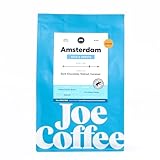
- Rich, sweet, and comforting, Amsterdam is the perfect drip coffee option for those who seek a deeper roast profile.
- We select the components for this coffee for their ability to stand up to a more developed roast, without ever tasting over-roasted or smoky. Instead, we pull out classic notes of chocolate, nut, and toffee.
- One 12 ounce bag
Coffee-to-water ratio
A good starting point for this method is a ratio of about 1:8 (coffee to water by weight). For example, use 1 ounce of coffee grounds for every 8 ounces of water. You can adjust this to your preference, but using too much coffee can lead to an overly bitter and muddy drink, while too little will result in a weak beverage.
Cleanliness/descale status
Ensure your blender is thoroughly clean. Any residue from previous use, especially from savory foods, can transfer to your coffee. If your blender has a lingering smell, it’s best not to use it for coffee. While descaling isn’t as critical for blenders as it is for machines with heating elements, a clean appliance is paramount for good taste.
Step-by-step (brew workflow)
1. Measure your coffee grounds.
- What “good” looks like: You have the correct amount of coarsely ground coffee ready.
- Common mistake: Using pre-ground coffee that is too fine, or measuring inconsistently.
- Avoid it by: Grinding your beans just before brewing to a coarse consistency, and using a scale for accuracy.
2. Place grounds in the blender carafe.
- What “good” looks like: All the measured coffee grounds are inside the blender.
- Common mistake: Spilling grounds outside the carafe.
- Avoid it by: Carefully pouring or scooping the grounds into the blender.
3. Add cold or room temperature water.
- What “good” looks like: The water is added to the grounds, reaching the desired ratio.
- Common mistake: Using hot water, which can damage the blender and create a bitter taste.
- Avoid it by: Always using cold or room temperature filtered water.
4. Secure the blender lid.
- What “good” looks like: The lid is firmly in place, preventing splashes.
- Common mistake: Not securing the lid properly.
- Avoid it by: Double-checking that the lid is locked on tight before blending.
5. Blend on low speed for 15-30 seconds.
- What “good” looks like: The water and grounds are mixed, but not over-agitated into a paste.
- Common mistake: Blending for too long or too fast, which can over-extract the coffee and create excessive sediment.
- Avoid it by: Using the lowest speed setting and blending for a very short duration.
6. Let the mixture sit for 1-2 minutes (optional but recommended).
- What “good” looks like: Some grounds may begin to settle at the bottom.
- Common mistake: Skipping this step and immediately straining.
- Avoid it by: Allowing a brief pause to let the initial agitation subside slightly.
7. Prepare your strainer.
- What “good” looks like: A fine-mesh sieve or cheesecloth is ready over a separate container.
- Common mistake: Using a strainer with holes too large, allowing grounds to pass through.
- Avoid it by: Opting for the finest mesh sieve you have, or lining a regular sieve with a couple of layers of cheesecloth.
8. Carefully pour the coffee mixture through the strainer.
- What “good” looks like: The liquid coffee is separating from the grounds into the receiving container.
- Common mistake: Pouring too quickly, causing grounds to overflow the strainer.
- Avoid it by: Pouring slowly and steadily, and stopping if the strainer seems full.
9. Gently press any remaining liquid from the grounds (optional).
- What “good” looks like: You’ve extracted as much liquid as possible without forcing sediment through.
- Common mistake: Aggressively pressing the grounds, which can push fine particles into your coffee.
- Avoid it by: Using the back of a spoon to gently coax out a little more liquid, but stop if you see too much sediment.
10. Discard the grounds and enjoy your coffee.
- What “good” looks like: You have a container of strained coffee ready to drink.
- Common mistake: Leaving the coffee to sit for too long after straining, which can lead to over-extraction and bitterness.
- Avoid it by: Drinking the coffee shortly after straining.
Common mistakes (and what happens if you ignore them)
| Mistake | What it causes | Fix |
|---|---|---|
| Using finely ground coffee | Gritty, muddy coffee; grounds pass through the strainer. | Use a coarse grind (like for French press). |
| Blending for too long or too fast | Over-extraction, bitter taste, excessive fine sediment. | Blend on the lowest speed for 15-30 seconds only. |
| Using hot water | Bitter, acrid taste; potential safety hazard; can damage blender seals. | Always use cold or room temperature water. |
| Not securing the blender lid | Messy splashes of coffee and grounds. | Ensure the lid is tightly sealed before blending. |
| Using a strainer with large holes | Coffee is full of grounds, making it unpleasant to drink. | Use a fine-mesh sieve or line a regular sieve with cheesecloth. |
| Aggressively pressing the coffee grounds | Pushes fine sediment through the strainer, resulting in a gritty cup. | Gently press only if necessary, and stop if sediment appears. |
| Not cleaning the blender before use | Off-flavors from previous ingredients (e.g., garlic, soap residue). | Wash the blender thoroughly with soap and water, and rinse well. |
| Letting the strained coffee sit for too long | Continued extraction, leading to a bitter and harsh flavor. | Drink the coffee immediately after straining. |
| Incorrect coffee-to-water ratio (too much) | Overly strong, bitter, and concentrated flavor. | Start with a 1:8 ratio (coffee to water by weight) and adjust to taste. |
| Incorrect coffee-to-water ratio (too little) | Weak, watery, and unsatisfying coffee. | Start with a 1:8 ratio (coffee to water by weight) and adjust to taste. |
| Using stale coffee beans | Flat, muted flavor; less aroma. | While this method is forgiving, fresher beans will always yield better results. |
Decision rules (simple if/then)
- If your goal is a smooth, nuanced cup of coffee, then do not use a blender because blenders are not designed for controlled coffee extraction and will produce sediment.
- If you have a French press or pour-over device available, then use that instead of a blender because those methods are optimized for brewing delicious coffee.
- If you absolutely must use a blender for coffee, then use the coarsest grind you can achieve because finer grinds will create excessive sediment.
- If you are using a blender, then use cold water because hot water can be dangerous in a blender and will create a very bitter taste.
- If you blend for more than 30 seconds, then expect your coffee to be bitter and gritty because over-agitation extracts undesirable compounds.
- If you are straining the coffee, then use a fine-mesh sieve or cheesecloth because a coarser strainer will let too many grounds through.
- If you find sediment in your coffee, then you likely used too fine a grind or blended too long because these are the primary causes of grit.
- If your blender coffee tastes weak, then you may need to increase the amount of coffee grounds or decrease the amount of water in your next attempt because the ratio is critical.
- If your blender coffee tastes bitter, then you may have used too fine a grind, blended too long, or used too much coffee because these all contribute to over-extraction.
- If you’re unsure about the coffee-to-water ratio, then start with 1 ounce of coffee for every 8 ounces of water because this is a widely accepted starting point.
- If you notice an off-flavor, then ensure your blender is completely clean because residual food particles will taint the coffee.
- If you want to improve the flavor, then try a different brewing method next time because blenders are a compromise for convenience, not quality.
FAQ
Can you really make coffee in a blender?
Yes, you can physically process coffee grounds and water in a blender to create a liquid beverage that resembles coffee. However, it’s important to understand that blenders are not designed for optimal coffee extraction, so the results will likely be less refined than traditional brewing methods.
What kind of coffee should I use in a blender?
You should use coarsely ground coffee, similar to what you would use for a French press. A fine grind will pass through most strainers, resulting in a very gritty and unpleasant cup. Freshly roasted beans are always best, but this method is more forgiving of slightly older coffee.
How long should I blend the coffee and water?
You should blend for a very short time, typically 15 to 30 seconds, on the lowest speed setting. Over-blending can lead to over-extraction, resulting in a bitter taste and excessive fine sediment in your final cup.
What is the best way to strain the coffee from the grounds?
The best way to strain is using a fine-mesh sieve. If you don’t have one, you can line a regular sieve with a couple of layers of cheesecloth. This helps to catch as many of the coffee grounds as possible, reducing the grit in your final beverage.
Will my coffee be gritty if I make it in a blender?
It’s highly likely that your coffee will have some degree of grittiness, even with careful straining. This is because blenders agitate the grounds intensely, breaking them down into smaller particles that are harder to filter out completely.
Is this method safe?
Using cold or room temperature water is generally safe. However, never use hot water in a blender, as it can create pressure, potentially cause the lid to blow off, and lead to serious burns. Always ensure the blender lid is securely fastened before blending.
How does blender coffee compare to other methods?
Blender coffee is generally considered a lower-quality brew. It often lacks the clarity, nuanced flavors, and smooth texture of coffee made with dedicated brewing devices like pour-overs, drip machines, or French presses. It’s a quick fix, not a gourmet experience.
Can I use this method to make cold brew coffee?
While this method uses cold water, it is not a true cold brew. Traditional cold brew involves steeping coffee grounds in cold water for 12-24 hours, resulting in a smooth, low-acidity concentrate. The blender method is a much faster, but less effective, way to extract coffee flavor.
What this page does NOT cover (and where to go next)
- Specific blender models or their suitability for coffee preparation.
- Advanced coffee extraction theories or scientific principles behind brewing.
- Detailed comparisons of various coffee bean origins or roast profiles.
- Recipes for flavored coffee drinks using this method.
For more information on achieving the best coffee flavor, consider exploring guides on:
- French press brewing techniques.
- Pour-over coffee methods.
- Using automatic drip coffee makers effectively.
- The principles of proper coffee grinding.