
How to Make Coffee From Dandelion Root: Step-by-Step Guide
Quick answer
- Dig up dandelion roots from an area free of pesticides and pollution.
- Wash the roots thoroughly to remove all dirt.
- Chop the roots into small, uniform pieces.
- Roast the chopped roots until they are dark brown and fragrant.
- Grind the roasted roots to a fine or medium consistency.
- Brew using your preferred method, similar to coffee grounds.
- Expect a bitter, earthy flavor, not a direct coffee substitute.
Who this is for
- The adventurous home brewer looking for caffeine-free alternatives.
- Foragers interested in utilizing wild edibles in their kitchen.
- Those curious about herbal remedies and traditional preparations.
If you’re curious about herbal remedies and traditional preparations but prefer a ready-made option, consider trying a pre-blended herbal coffee.

- HERBAL CHICORY COFFEE - Enjoy six bold, coffee-like blends featuring roasted chicory root, carob and barley. Rich, bold flavor that’s smoother and less acidic than coffee. Non-GMO, organic herbs. No artificial flavors, chemicals, MSG, or preservatives.
- BREW TEECCINO LIKE COFFEE - Our all-purpose grind brews in any kind of coffee maker. Perfect for a cappuccino or latte, delicious hot or iced. Quit coffee by blending with Teeccino & gradually weaning off over 2 weeks.
- NATURALLY CAFFEINE FREE - Experience an energy boost from nutrients, not stimulants. Perfect any time of day or night because it won’t interfere with sleep. Sugar-free Teeccino is a treat for the whole family.
- ACID FREE - Teeccino is naturally acid free, so it won’t disturb your digestion. Replace highly acidic decaf coffee - which still has caffeine - with our 100% naturally caffeine-free coffee alternative.
- PREBIOTICS FOR GUT HEALTH - Inulin from chicory root is a prebiotic soluble fiber that nourishes probiotics. Each cup supports good digestion with 650mg of inulin.
What to check first
Brewer type and filter type
This is pretty straightforward. Dandelion root “coffee” can be brewed in most ways you’d brew regular coffee. Think drip machines, French presses, or even percolators. The key is matching your filter to your brew method. Paper filters are common for drip, while metal filters work great for French press. A finer grind might need a tighter filter.
Water quality and temperature
Just like with good coffee, good water makes a difference. If your tap water tastes funky, your dandelion brew will too. Filtered water is your friend here. For brewing, aim for that sweet spot around 195-205°F (90-96°C). Too cool, and you won’t extract much flavor. Too hot, and you might scorch it, making it bitter.
Grind size and coffee freshness
This is where you have some control over the final cup. After roasting, you’ll grind the dandelion root. A finer grind will extract more flavor, potentially making it stronger and more bitter. A coarser grind will be milder. Think of it like coffee – espresso grinds are fine, French press grinds are coarse. Freshness matters, but unlike coffee beans, roasted dandelion root doesn’t degrade as quickly. Grind it just before you brew for the best results.
Coffee-to-water ratio
This is your main dial for strength. There’s no single “right” ratio, as it depends on how strong you like it and how you roasted your roots. A good starting point is similar to coffee: maybe 1-2 tablespoons of ground dandelion root per 6 oz of water. You can always add more root for a bolder brew or use less for something lighter. Taste and adjust.
Cleanliness/descale status
This is non-negotiable for any brew. If your coffee maker has gunk in it from old coffee oils or mineral buildup, it will ruin your dandelion root brew. Give your brewer a good clean and descale it if needed. A clean machine means the pure flavor of your roasted roots can shine through.
Step-by-step (brew workflow)
1. Harvest Dandelion Roots: Dig up healthy-looking dandelion roots. Aim for roots from areas you know are clean – no pesticides or heavy traffic. Look for plants that haven’t gone to seed yet, as the roots are often more potent then.
- What “good” looks like: Long, relatively clean roots from a safe location.
- Common mistake: Harvesting from treated lawns or roadsides.
- Avoid it by: Knowing your foraging spot or growing your own.
2. Wash Thoroughly: This is crucial. Scrub the roots under running water. Use a vegetable brush to get all the dirt off. You want them as clean as possible.
- What “good” looks like: Roots that are visibly free of all soil and debris.
- Common mistake: Rinsing too quickly and leaving dirt behind.
- Avoid it by: Taking your time and using a brush.
3. Chop the Roots: Cut the cleaned roots into small, uniform pieces, about 1/4 to 1/2 inch in size. This helps them dry and roast evenly.
- What “good” looks like: Consistent-sized pieces that will fit easily on your roasting pan.
- Common mistake: Leaving large chunks that won’t dry or roast properly.
- Avoid it by: Being precise with your knife work.
4. Dry the Roots (Optional but Recommended): Spread the chopped roots on a baking sheet and let them air dry for a day or two, or use a dehydrator on a low setting. This removes moisture and prevents mold.
- What “good” looks like: Roots that feel dry to the touch, not damp.
- Common mistake: Roasting wet roots, which steams them instead of roasting.
- Avoid it by: Ensuring they are dry before moving to the next step.
5. Roast the Roots: Spread the dried, chopped roots on a baking sheet. Roast in a preheated oven at around 250-300°F (120-150°C). Stir them every 10-15 minutes.
- What “good” looks like: Roots that turn a deep, dark brown and smell fragrantly nutty or earthy. Be careful not to burn them.
- Common mistake: Roasting too hot or too long, resulting in burnt, bitter roots.
- Avoid it by: Watching them closely and stirring frequently.
6. Cool and Store: Let the roasted roots cool completely on the baking sheet. Once cool, store them in an airtight container. They’ll keep for a good while.
- What “good” looks like: Fully cooled, dry, roasted root pieces in a sealed container.
- Common mistake: Storing them while still warm, leading to condensation and spoilage.
- Avoid it by: Patience – let them cool all the way.
7. Grind the Roasted Roots: When you’re ready to brew, grind the roasted roots. You can use a coffee grinder or a spice grinder. Aim for a consistency similar to coarse or medium coffee grounds, depending on your brewing method.
- What “good” looks like: Evenly ground pieces that will allow for good extraction.
- Common mistake: Grinding too fine, which can lead to a muddy brew or clogs.
- Avoid it by: Starting with a coarser grind and adjusting on future batches.
8. Brew Your Dandelion Root “Coffee”: Use your preferred brewing method. For a drip machine, use about 1-2 tablespoons of ground root per 6 oz of hot water. For a French press, add the grounds, pour hot water (195-205°F), steep for 4-5 minutes, then press.
- What “good” looks like: A dark, aromatic liquid that tastes earthy and slightly bitter.
- Common mistake: Using too much or too little ground root, leading to a weak or overly bitter brew.
- Avoid it by: Starting with a standard ratio and adjusting to your taste.
9. Serve and Enjoy: Pour your brew into a mug. You can drink it black, or add milk, cream, or a sweetener if you prefer. It’s a different experience than coffee, so manage expectations.
- What “good” looks like: A satisfying, warm beverage that meets your taste preferences.
- Common mistake: Expecting it to taste exactly like coffee.
- Avoid it by: Appreciating it for its unique flavor profile.
Common mistakes (and what happens if you ignore them)
| Mistake | What it causes | Fix |
|---|---|---|
| Harvesting from contaminated soil | Unpleasant taste, potential health risks | Forage in known clean areas or grow your own. |
| Not washing roots thoroughly | Gritty, earthy taste in your brew | Scrub with a brush under running water until spotless. |
| Unevenly chopped roots | Inconsistent roasting, some burnt, some undercooked | Chop into uniform, small pieces. |
| Roasting wet roots | Steamed, not roasted; dull flavor | Dry roots thoroughly before roasting. |
| Roasting at too high a temperature | Burnt, acrid, bitter taste | Use a lower heat (250-300°F) and stir frequently. |
| Grinding too fine for the brew method | Muddy brew, clogged filters, over-extraction (bitterness) | Use a coarser grind, especially for French press or pour-over. |
| Using stale or improperly stored roots | Weak flavor, off-tastes | Store roasted roots in an airtight container away from light. |
| Brewing with water that’s too cool | Under-extraction, weak, watery flavor | Ensure water is between 195-205°F. |
| Expecting it to taste exactly like coffee | Disappointment | Appreciate its unique earthy, slightly bitter profile. |
| Not cleaning brewing equipment | Off-flavors from old coffee oils or mineral buildup | Clean your brewer thoroughly before each use. |
Decision rules (simple if/then)
- If your dandelion roots taste bitter, then try a coarser grind next time because a finer grind can over-extract.
- If your brew is weak, then use more ground dandelion root per cup because you might not be using enough.
- If your brew tastes burnt, then lower your roasting temperature or shorten the roasting time because you’re scorching the roots.
- If you notice grit in your cup, then ensure you washed the roots meticulously and consider a finer filter because residual dirt is the culprit.
- If your dandelion root has a bland flavor, then try roasting it a bit darker next time because more roasting develops deeper flavor.
- If you’re sensitive to bitterness, then use less ground root or add a touch of sweetener because dandelion root is naturally more bitter than coffee.
- If your brewing equipment is old and tastes off, then descale it before brewing dandelion root because clean equipment is essential for good flavor.
- If you’re unsure about the water quality, then use filtered water because it won’t impart any off-flavors.
- If you’re new to this, then start with a French press because it’s forgiving and allows you to control steep time easily.
- If you want a stronger flavor, then grind the roasted roots just before brewing because freshness makes a difference.
- If you find the earthy notes too strong, then try a lighter roast next time because a darker roast intensifies earthiness.
FAQ
Can I drink dandelion root coffee every day?
Generally, yes. Dandelion root is often used in herbal traditions. However, if you have any underlying health conditions or are taking medication, it’s always wise to check with your doctor first.
Does dandelion root coffee have caffeine?
No, dandelion root coffee is naturally caffeine-free. This makes it a popular choice for those looking to reduce their caffeine intake or avoid it altogether.
For those looking to reduce their caffeine intake or avoid it altogether, a dedicated caffeine-free coffee alternative can be a great choice.
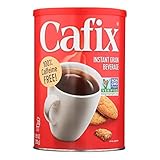
- Instant Beverage; 100% Caffeine Free
- No Artificial Ingredients
- No refined Sugar
How does dandelion root coffee taste compared to regular coffee?
It has a distinct flavor that’s often described as earthy, slightly bitter, and sometimes nutty or smoky, depending on the roast. It’s not a direct substitute for coffee’s robust flavor but offers its own unique character.
Can I use store-bought roasted dandelion root?
Yes, you can often find roasted dandelion root at health food stores or online. This is a convenient option if you don’t want to harvest and roast your own.
What’s the best way to store roasted dandelion root?
Store it in an airtight container in a cool, dark place, just like you would coffee beans. Properly stored, it can maintain good flavor for several weeks to a few months.
Is it safe to forage for dandelion roots?
Yes, as long as you’re careful. Ensure you’re harvesting from areas that haven’t been sprayed with pesticides or herbicides, and are away from heavy traffic or pollution.
Can I use dandelion leaves or flowers for brewing?
While leaves and flowers are edible and have their own uses, the “coffee” flavor comes primarily from the roasted root. Brewing leaves or flowers won’t yield a similar result.
What this page does NOT cover (and where to go next)
- Detailed nutritional breakdown of dandelion root. (Explore herbal medicine resources for this.)
- Specific health benefits or medicinal claims. (Consult with a qualified healthcare professional or herbalist.)
- Advanced roasting techniques for different flavor profiles. (Look for resources on roasting roots and herbs.)
- Recipes for combining dandelion root with other herbs or spices. (Search for “herbal coffee blends” or “root tea recipes.”)
- Commercial brands of roasted dandelion root. (Browse online retailers or local health food stores.)