
How Instant Coffee is Made and Its Properties
Quick Answer
- Instant coffee starts as regular brewed coffee.
- The brewing process is similar, but the goal is a super-concentrated liquid.
- Water is then removed through drying, either by freezing or spraying.
- This process preserves much of the coffee’s flavor compounds.
- The result is a soluble powder or granules ready to be rehydrated.
- It’s all about convenience and a decent cup without the fuss.
Key Terms and Definitions
- Soluble: Able to be dissolved in a liquid, usually water. That’s the magic of instant coffee.
- Dehydration: The process of removing water. This is the core step in making coffee instant.
- Freeze-drying (Lyophilization): A method where coffee is frozen, then the ice is turned directly into vapor under vacuum. This is a high-quality way to do it.
- Spray-drying: Hot air is used to evaporate the water from liquid coffee concentrate. Faster, but can be harsher.
- Concentrate: A liquid that has had most of its water removed, making it very strong. Think of it as super-brewed coffee.
- Aroma Recovery: Capturing volatile aromatic compounds during processing to add back later. Keeps it smelling like coffee.
- Rehydration: The process of adding water back to the dried coffee to make a drinkable beverage. Simple enough.
- Roasting: The process of heating coffee beans to develop their flavor and aroma. Happens before brewing.
- Grinding: Breaking down roasted beans into smaller particles. Also happens before brewing.
- Extraction: Pulling soluble compounds from coffee grounds using hot water. The first step for any coffee.
The key to instant coffee is its soluble nature, allowing it to dissolve easily in water. If you’re looking for a convenient option, consider trying a high-quality soluble coffee.
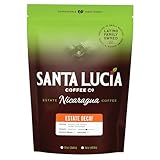
- REFINED ESTATE DECAF - Santa Lucia Coffee’s Estate Decaf Roast is naturally decaffeinated using a gentle process that preserves the bean's integrity. This smooth, full-bodied roast reveals layers of rich cocoa, toasted almond, and soft citrus. Crafted from shade-grown beans harvested on small, family-owned farms in Nicaragua’s high-altitude mountains, it delivers depth without the caffeine.
- LOW ACID, SMOOTH & GENTLE - Expertly roasted to reduce acidity while enhancing natural flavor, this decaf coffee is exceptionally smooth and easy on the stomach. Perfect for coffee lovers seeking a bold yet gentle cup, it provides everyday enjoyment without the sharpness or discomfort found in high-acid blends.
- VOLCANIC SOIL, HIGH-ALTITUDE GROWN - Our Strictly High Grown (SHG) beans mature slowly in mineral-rich volcanic soil, developing dense structure, refined acidity, and complex layers of flavor for a truly elevated coffee experience.
- SMALL-BATCH ROASTED TO PERFECTION - Expertly roasted to reduce acidity while enhancing natural flavor, this decaf coffee is exceptionally smooth and easy on the stomach. Perfect for coffee lovers seeking a bold yet gentle cup, it provides everyday enjoyment without the sharpness or discomfort found in high-acid blends.
- ETHICALLY SOURCED, WOMEN & LATIN OWNED TRADITION - Roasted by a family-run, Latin and women owned business with over 30 years of specialty coffee heritage. Santa Lucia supports sustainable practices that empower Nicaraguan farming communities.
How Instant Coffee is Made
Instant coffee production is a neat trick. It’s not magic, just science applied to your morning cup.
- Start with Beans: It all begins with good quality coffee beans. They get roasted, just like for your regular brew.
- Grind ‘Em Up: Then, the beans are ground. The grind size is important for efficient extraction.
- Brew a Strong Batch: The ground coffee is brewed with hot water. The goal here is to create a very strong, concentrated coffee liquid. Think super-espresso, but less intense.
- Separate the Grounds: After brewing, the liquid coffee concentrate is separated from the spent coffee grounds. This is usually done through filtration.
- Remove the Water: This is the key step. The water is removed from the coffee concentrate. Two main ways to do this:
- Freeze-drying: The concentrate is frozen, and then the ice crystals are sublimated (turned directly into vapor) under vacuum. This preserves delicate flavors.
- Spray-drying: The liquid concentrate is sprayed into a chamber of hot air. The water evaporates quickly, leaving behind the coffee solids. This is faster but can be a bit tougher on the flavor.
- Add Back Aroma (Sometimes): During the drying process, some volatile aroma compounds can be lost. Many manufacturers capture these “aroma essences” and add them back to the dried coffee powder or granules at the end. This helps it smell and taste more like freshly brewed coffee.
- Package It Up: The resulting dry coffee powder or granules are then packaged, ready for you to add hot water.
What Affects the Result
Making good instant coffee is about more than just the powder. A few things play a big role.
- Bean Quality: The original beans matter. If they’re not great to start, the instant won’t be either.
- Roast Level: How the beans are roasted impacts the final flavor profile. Darker roasts tend to be bolder.
- Brewing Concentration: How strong the initial coffee brew is before drying affects the final product.
- Drying Method: Freeze-drying generally yields a higher quality product than spray-drying, preserving more nuanced flavors.
- Aroma Recovery: Whether the manufacturer captures and reintroduces aroma compounds makes a big difference in the sensory experience.
- Water Quality: Just like with any coffee, the water you use to rehydrate it matters. Filtered water is always a good bet.
- Water Temperature: Using water that’s too hot can scorch the coffee, while water that’s too cool won’t dissolve it properly or release full flavor. Aim for just off the boil.
- Ratio of Coffee to Water: Too little powder means weak coffee; too much can be overpowering or not dissolve well.
- Freshness of the Instant Coffee: Even instant coffee can lose its punch over time. Check the “best by” date.
- Storage Conditions: Keeping your instant coffee in an airtight container away from light and moisture is crucial for maintaining freshness.
- Additives: Some instant coffees have added chicory or other ingredients. This can change the flavor profile significantly.
- Particle Size: The size of the granules or powder can affect how quickly and evenly it dissolves.
Pros, Cons, and When It Matters
Instant coffee has its place. It’s not for everyone, but it’s definitely got its advantages.
- Pro: Speed: It’s ridiculously fast. Boil water, stir, done. Perfect for those rushed mornings.
- Con: Flavor Depth: Generally, it doesn’t have the nuanced flavor complexity of freshly ground and brewed coffee. Some find it flat.
- Pro: Convenience: No special equipment needed. Just the coffee and hot water. Great for camping or travel.
- Con: Aroma Loss: Even with recovery, some of the fresh coffee aroma can be lost in processing.
- Pro: Shelf Life: Properly stored, it lasts a long time. Good to have a backup.
- Con: Potential for Bitterness: If the water is too hot or the coffee is of lower quality, it can taste bitter.
- Pro: Cost-Effective: Often, it’s cheaper per cup than buying whole beans and brewing.
- Con: Environmental Impact: The manufacturing process, especially spray-drying, can be energy-intensive.
- Pro: Less Mess: No grounds to deal with, no filters to discard. Just a clean cup.
- Con: “Instant” Taste: Some people can detect a distinct “instant coffee” taste that they don’t enjoy.
- Pro: Consistency: Once you find a brand you like, it’s usually pretty consistent cup after cup.
- When it matters: It matters when you’re tired, on the go, camping, or just need a quick caffeine fix without fuss. It matters when you don’t have a grinder or brewer handy.
Common Misconceptions
Let’s clear up a few things folks sometimes get wrong about instant coffee.
- Myth: It’s made from old or bad coffee beans. Not necessarily. High-quality instant coffee starts with good beans. The process is designed to preserve flavor, not hide bad coffee.
- Myth: It’s just coffee mixed with chemicals. The “instant” part comes from removing water. The main ingredients are coffee and water. Any additives are usually for aroma or texture.
- Myth: You can’t make good coffee with it. While it’s not the same as a pour-over, you can make a perfectly acceptable and even enjoyable cup of instant coffee by using good water and the right ratio.
- Myth: All instant coffee tastes the same. Nope. Different beans, roasting, and drying methods create a wide range of flavors, from mild to bold.
- Myth: It’s unhealthy. It’s coffee. It has caffeine. The drying process doesn’t inherently make it unhealthy.
- Myth: It requires a special machine. Nope. Just a way to heat water and a mug. That’s it.
- Myth: Freeze-dried is always better than spray-dried. While freeze-drying is often considered superior for flavor, advancements in spray-drying have improved its quality too.
- Myth: Adding cold water works just as well. Cold water won’t dissolve the coffee solids properly, leading to a weak or gritty cup. Hot water is key for dissolution.
- Myth: You can’t add milk or sugar. Of course you can! That’s a big part of its appeal for many.
FAQ
Q: What is the main difference between instant coffee and regular brewed coffee?
A: The primary difference is that instant coffee has had nearly all its water removed, making it soluble. Regular brewed coffee is the liquid result of extracting flavor from grounds.
Q: Is instant coffee bad for you?
A: Instant coffee is generally safe. It contains caffeine and antioxidants like regular coffee. The manufacturing process itself doesn’t introduce harmful substances.
Q: How do I make the best cup of instant coffee?
A: Use good quality, filtered water heated to just off the boil. Stir in the right amount of instant coffee until fully dissolved. Experiment with ratios to find your preference.
Q: Does instant coffee have as much caffeine as regular coffee?
A: It varies by brand and how much you use, but generally, a cup of instant coffee has slightly less caffeine than a cup of brewed coffee. Check the packaging for specifics.
Q: Can I use instant coffee to make iced coffee?
A: Yes! Dissolve the instant coffee in a small amount of hot water first, then pour it over ice and add cold water or milk.
Q: Why does some instant coffee dissolve better than others?
A: Particle size and the drying method (freeze-dried vs. spray-dried) play a role. Higher quality instant coffee is often engineered for better solubility.
Q: Is instant coffee more bitter than brewed coffee?
A: It can be, especially if lower-quality beans were used or if the water is too hot. However, many premium instant coffees are designed to minimize bitterness.
Q: How should I store instant coffee?
A: Keep it in an airtight container in a cool, dry place, away from direct sunlight. This helps maintain its freshness and flavor.
What This Page Does Not Cover (And Where to Go Next)
This page gives you the lowdown on how instant coffee is made and its properties.
- Specific brand comparisons and taste tests. Look for reviews focusing on different instant coffee brands.
- Detailed chemical analysis of flavor compounds. Dive into coffee science journals for that.
- The history of specific instant coffee companies. Historical coffee society websites might have this.
- Advanced brewing techniques for other coffee methods. Explore guides on pour-over, espresso, or French press.
- The exact energy consumption or environmental footprint of different manufacturing processes. Look for sustainability reports.