
How Coffee Makers Work: A Simple Explanation
Quick answer
- A coffee maker brews coffee by heating water and passing it through ground coffee beans.
- It’s a pretty straightforward process, mostly involving gravity and hot water.
- Different types use slightly different methods, but the core idea is the same.
- The goal is to extract flavor from the beans into the water.
- It’s all about getting that perfect cup without a ton of fuss.
Key terms and definitions
- Brewing: The process of extracting flavor from coffee grounds using hot water.
- Grounds: Roasted coffee beans that have been ground into smaller particles.
- Carafe: The pot that collects the brewed coffee.
- Filter Basket: Holds the coffee grounds and allows water to pass through.
- Heating Element: The part that heats the water.
- Drip Coffee Maker: The most common type, where hot water drips through grounds.
- Water Reservoir: Where you fill up the water for brewing.
- Hot Plate: The heated surface that keeps the carafe warm.
- Bloom: The initial release of CO2 from fresh coffee grounds when hot water is added.
- Extraction: The process of dissolving soluble compounds from coffee grounds into water.
For most households, a reliable drip coffee maker is the go-to. If you’re looking for a straightforward and efficient option, consider this popular drip coffee maker.
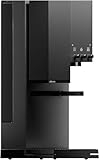
- 1. Three Levels of Automation for Any Skill Level: Choose from Autopilot, Copilot, or Free Solo mode. Autopilot handles the entire brewing process automatically. Copilot provides step-by-step guidance. Free Solo gives you full manual control. This coffee machine works for beginners and professional baristas alike.
- 2. Intuitive User Interface with Tactile Knobs and LED Matrix: The Studio features physical control knobs and a clear LED Matrix display. You can adjust grind size, water temperature, and flow rate in real time without navigating complicated touchscreen menus.
- 3. Full Customization via the xBloom App: Use the xBloom app to create, adjust, save, and share your favorite coffee recipes. Every brewing parameter can be fine-tuned and synced to the machine instantly. Your perfect cup is saved and repeatable.
- 4. Compostable xPod System for Minimal Waste and Maximum Flavor: Each xPod contains carefully selected whole beans and a built-in filter. Tap the recipe card, pour the beans into the grinder, place the pod into the dock, and press start. No capsules, no extra paper filters, no unnecessary waste.
- 5. What Is Included in the Box: The package includes the xBloom Studio, Omni Dripper 2 with Hyperflow Bottom, 10 paper filters, xPod Dock, Magnetic Dosing Cup, default recipe card, quick start guide, cleaning brush, universal power cord, and a 2-Year xbloom brand warranty. Everything you need is included—along with long-term peace of mind.
How it works
- You fill the water reservoir. Most machines have clear markings, usually in cups or ounces.
- You add ground coffee to the filter basket. Use the right amount for the water you put in.
- You turn the machine on. This kicks off the heating process.
- A heating element at the base warms the water. It gets hot, but not boiling.
- The hot water travels up a tube. Think of it like a mini steam engine.
- It then sprays or drips over the coffee grounds. This is where the magic happens.
- Water saturates the grounds, pulling out flavor. This is the extraction part.
- The brewed coffee then drips through the filter. It separates the liquid from the solids.
- Finally, the coffee collects in the carafe below. Ready for you to pour.
What affects the result
- Water Quality: Tap water can have minerals that affect taste. Filtered water is usually best.
- Coffee Bean Freshness: Stale beans won’t give you that vibrant flavor. Use them within a few weeks of roasting.
- Grind Size: Too fine and it clogs; too coarse and the water rushes through. Medium is usually the sweet spot for drip.
- Coffee-to-Water Ratio: Too little coffee and it’s weak; too much and it’s bitter. A good starting point is 1:15 or 1:17 (coffee to water by weight).
- Water Temperature: Too hot can scorch the grounds, too cool won’t extract enough. Most makers aim for 195-205°F.
- Brew Time: How long the water is in contact with the grounds. This is influenced by grind and brewer design.
- Cleanliness of the Machine: Old coffee oils can make your brew taste nasty. Clean it regularly.
- Type of Filter: Paper filters absorb some oils, metal filters let more through. Each changes the mouthfeel.
- The Coffee Maker Itself: Some have better water distribution or temperature control than others.
- How the Water Hits the Grounds: Even distribution is key for consistent extraction.
- Altitude: Water boils at a lower temperature at higher altitudes, which can affect brewing.
- Your Mood: Seriously, a good mood makes everything taste better.
Pros, cons, and when it matters
- Pro: Simplicity: Most coffee makers are dead simple to use. Fill, press button, get coffee.
- Con: Limited Control: You can’t tweak much. Temperature and flow are usually fixed.
- Pro: Convenience: Set it and forget it. Great for busy mornings.
- Con: Potential for Stale Coffee: If it has a hot plate, coffee can cook over time.
- Pro: Affordable: Basic drip machines are super cheap.
- Con: Not Always the Best Taste: For true coffee nerds, it might not hit the mark.
- When it Matters: For a quick, no-fuss cup to start your day. Or when you need to make coffee for a crowd.
- When it Matters Less: If you’re a coffee connoisseur who wants to dial in every variable.
- Pro: Easy Cleanup: Usually just tossing the filter and rinsing the carafe.
- Con: Can be Slow: Some machines take a while to brew a full pot.
- Pro: Widely Available: You can find them everywhere.
- Con: Durability Varies: Cheaper models might not last as long.
Common misconceptions
- Myth: Boiling water is best. Nope. Too hot can burn the coffee and make it bitter.
- Myth: More coffee grounds always means stronger coffee. Not necessarily. Too much can lead to over-extraction and bitterness.
- Myth: Any old water will do. Hard water or chlorinated water can really mess with the flavor.
- Myth: You need a fancy machine for good coffee. While fancy machines offer more control, a well-maintained basic one can make decent coffee.
- Myth: Coffee makers are self-cleaning. They definitely are not. Regular descaling and cleaning are crucial.
- Myth: Cold brew is just coffee and cold water. There’s a specific ratio and long steep time involved.
- Myth: The “bloom” phase doesn’t matter. It’s important for releasing CO2 and ensuring even saturation.
- Myth: You can use any old coffee in any machine. Grind size and brew method matter.
- Myth: Coffee makers are all the same. They have different heating systems, water dispersal methods, and insulation.
FAQ
Q: What is the ideal water temperature for brewing coffee?
A: Most experts recommend water between 195°F and 205°F. This range is hot enough to extract flavor but not so hot that it burns the grounds. Check your machine’s manual if you’re unsure.
Q: How often should I clean my coffee maker?
A: It’s a good idea to clean the carafe and filter basket after every use. For a deeper clean, descale your machine every 1-3 months, depending on your water hardness.
Q: Does the type of coffee filter matter?
A: Yes, it can. Paper filters absorb more oils, leading to a cleaner cup. Metal or cloth filters allow more oils and fine sediment through, resulting in a richer, fuller-bodied coffee.
Q: What’s the difference between a drip coffee maker and an espresso machine?
A: Drip makers use gravity and hot water to brew coffee slowly. Espresso machines use high pressure to force hot water through finely ground coffee, creating a concentrated shot.
Q: Can I make coffee without a filter?
A: You can, but it’s not ideal for most machines. Without a filter, fine coffee grounds will end up in your cup, leading to a gritty texture and over-extracted flavor.
Q: What does “blooming” mean in coffee brewing?
A: Blooming is the initial stage where fresh coffee grounds release CO2 gas when they first come into contact with hot water. It looks like bubbling and is a sign of freshness.
Q: Why does my coffee taste bitter?
A: Bitterness often comes from over-extraction. This can be due to water that’s too hot, grounds that are too fine, or brewing for too long.
What this page does NOT cover (and where to go next)
- Specific brand comparisons or performance reviews. Look for those in dedicated review sites.
- Detailed instructions for advanced brewing methods like pour-over or Aeropress. Those require their own guides.
- The science behind coffee bean roasting and flavor profiles. That’s a whole different rabbit hole.
- Recipes for coffee-based drinks beyond a standard cup. Explore barista guides for those.
- Troubleshooting specific error codes or mechanical failures for individual machines. Consult your appliance manual.