
How Coffee Affects Tooth Sensitivity
Quick answer
- Coffee itself doesn’t directly cause tooth sensitivity.
- The acidity in coffee can erode enamel over time, making teeth more vulnerable.
- Adding sugar or acidic flavorings to coffee can worsen sensitivity.
- Hot coffee can trigger sensitivity in already compromised teeth.
- Brushing immediately after drinking coffee can increase enamel wear.
- Good oral hygiene is key to managing coffee’s impact on your teeth.
Key terms and definitions
- Tooth Sensitivity: A sharp, sudden pain in your teeth in response to certain stimuli like hot or cold foods, sweet or acidic drinks, or even breathing cold air.
- Enamel: The hard, outer protective layer of your teeth. It’s the strongest substance in your body.
- Dentin: The layer beneath the enamel. It contains thousands of microscopic tubules that lead to the tooth’s nerve.
- Acid Erosion: The wearing away of tooth enamel caused by acids.
- pH Level: A measure of acidity or alkalinity. Lower pH means more acidic. Coffee typically has a pH between 4.5 and 5.0.
- Cavities (Dental Caries): Tooth decay caused by bacteria that feed on sugars and produce acids.
- Gum Recession: When gum tissue pulls back from the tooth, exposing the root and dentin.
- Oral Hygiene: Practices like brushing and flossing to keep your mouth clean and healthy.
- Super-Sensitivity: A heightened state of tooth sensitivity, often requiring professional dental care.
How Coffee Affects Tooth Sensitivity
- Coffee is acidic. This acidity can wear down your tooth enamel over time. Think of it like a gentle sandpaper, but over years.
- When enamel thins, the dentin layer underneath becomes more exposed.
- Dentin has tiny tubes that connect to the nerve inside your tooth.
- When hot or cold liquids, or even sweet things, touch exposed dentin, they can stimulate the nerve. That’s the sensitivity you feel.
- The temperature of your coffee matters. Really hot coffee can be a bigger trigger for sensitive teeth.
- Adding sugar or acidic syrups can add another layer of problems. Sugar feeds bacteria that make more acid.
- Some people have naturally thinner enamel. They might notice sensitivity sooner.
- Frequent sipping throughout the day means your teeth are constantly exposed to coffee’s acid.
If you’re concerned about enamel erosion, consider using an enamel repair serum to help strengthen and protect your teeth.
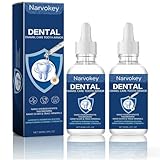
- HYDROXY FORMULA: Advanced transparent drops containing hydroxy to help strengthen tooth enamel and support natural remineralization
- CAVITY DEFENSE: Daily oral care solution specifically designed to protect teeth against cavity formation and promote overall dental health
- GUM HEALTH SUPPORT: Formulated to promote healthy gums while providing comprehensive protection for your entire oral cavity
- EASY APPLICATION: Transparent formula applies clearly and seamlessly integrates into your regular oral care routine
- Precision Dropper: The 60ml/2fl.oz transparent bottle features a white dropper cap for exact dosing (2–3 drops per use). Apply directly to teeth or a toothbrush—no mixing, no fuss. The compact size fits in purses or travel kits, making it ideal for on-the-go protection
What affects the result
- Coffee Acidity: Darker roasts are often less acidic than lighter roasts. This is a subtle but real difference.
- Your Enamel Strength: Genetics play a role. Some folks just have tougher enamel.
- How Often You Drink Coffee: Sipping all day is tougher on your teeth than drinking it all at once.
- Additives: Sugar, honey, flavored syrups, and even milk can impact your teeth differently. Sugar is a big one for decay.
- Water Temperature: Brewing temperature matters for flavor, but the temperature you drink it at can trigger sensitivity.
- Brushing Habits: Brushing immediately after coffee can scrub away softened enamel. Wait a bit.
- Your Diet: Other acidic foods and drinks contribute to overall enamel wear.
- Gum Health: Receding gums expose more dentin. This is a common cause of sensitivity.
- Grinding or Clenching: This wears down enamel, making teeth more susceptible.
- Toothpaste Choice: Using a toothpaste designed for sensitive teeth can help.
- Saliva Production: Saliva helps neutralize acids. If you have a dry mouth, your teeth are more at risk.
- Existing Dental Work: Fillings or crowns can sometimes be sensitive if they’re old or damaged.
Pros, cons, and when it matters
- Pro: Coffee is a beloved ritual for many. It wakes you up and tastes great.
- Con: Its acidity can contribute to enamel erosion over time.
- Pro: Many enjoy the warmth of a hot cup, especially on a cold morning.
- Con: That same warmth can be a major trigger for sensitive teeth.
- Pro: Different brewing methods offer varied flavors.
- Con: Some brewing methods might extract more acids.
- Pro: Adding cream or milk can slightly buffer acidity.
- Con: Adding sugar or artificial sweeteners can lead to decay.
- Pro: A moderate intake is generally fine for most people.
- Con: Excessive consumption, especially with frequent sipping, can increase risk.
- Pro: It’s a social lubricant. Meeting friends for coffee is common.
- Con: If you’re already experiencing tooth sensitivity, coffee might become a trigger food.
- Pro: The antioxidants in coffee are good for overall health.
- Con: The dental downsides need to be managed alongside the health benefits.
- Pro: You can switch to cold brew, which is often less acidic.
- Con: If you have severe sensitivity, even less acidic options might cause discomfort.
Common misconceptions
- Myth: Coffee directly causes cavities.
- Reality: Coffee itself doesn’t cause cavities. It’s the sugar added to it that feeds cavity-causing bacteria.
- Myth: All coffee is equally acidic.
- Reality: Roast level, bean type, and brewing method can all affect coffee’s pH.
- Myth: You have to give up coffee if your teeth are sensitive.
- Reality: Often, you can find ways to enjoy coffee with modifications or by addressing the underlying sensitivity.
- Myth: Brushing your teeth right after drinking coffee is best.
- Reality: Brushing immediately can scrub away enamel that’s been softened by coffee’s acid, causing more damage. Wait at least 30 minutes.
- Myth: Only hot coffee causes sensitivity.
- Reality: Cold coffee, sweet coffee, or even just the acidity can trigger sensitivity if your enamel is compromised.
- Myth: Sensitive teeth are just a normal part of aging.
- Reality: While age can play a role, sensitivity is often a sign of an underlying issue like enamel wear or gum recession.
- Myth: Coffee stains are the main dental problem.
- Reality: While staining is common, the acidity’s impact on enamel is a more significant factor for sensitivity.
- Myth: Chewing gum after coffee neutralizes all acid.
- Reality: Sugar-free gum can stimulate saliva, which helps, but it doesn’t magically undo acid damage.
FAQ
Can coffee make my teeth sensitive if I don’t have any problems now?
It’s unlikely to cause sudden sensitivity out of the blue. However, consistent consumption of acidic drinks like coffee can gradually wear down enamel over years, potentially leading to sensitivity down the road.
What’s the least acidic type of coffee?
Generally, darker roasts tend to be less acidic than lighter roasts. Cold brew coffee is also often significantly less acidic than hot brewed coffee.
If I add milk or cream, does that help with sensitivity?
Yes, a little bit. Dairy can help buffer the acidity somewhat. However, it doesn’t eliminate the acid entirely, and it won’t help if you add sugar.
Should I rinse my mouth with water after drinking coffee?
Yes, rinsing with plain water after drinking coffee is a good idea. It helps wash away some of the residual acid and sugars, giving your enamel a break.
To further protect your enamel after drinking coffee, an acidic drink mouthwash can help neutralize acids and remineralize your teeth.
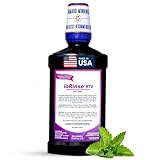
- MOLECULAR IODINE FORMULA: ioRinse RTU Mouthwash features a patented molecular iodine formula designed to target halitosis at its source. This professional strength dental rinse is used in thousands of dental offices for effective oral care. The mouthwash alcohol free formula provides a gentle and reliable rinse which supports a fresh, long-lasting, clean mouth feeling.
- PROFESSIONAL LEVEL ORAL CLEANING: The unique molecular iodine formula delivers a professional level cleaning experience tested and shown to stop bad breath in its tracks. This bad breath mouth wash works so effectively as a mouthrinse it is used and trusted by dental offices nationwide. Simply rinse for 30 seconds and spit to enjoy the same trusted strength relied upon by dental professionals.
- ALCOHOL FREE FORMULA: This dental mouthwash is formulated without alcohol, making it a suitable option for those who prefer an alcohol free mouthwash for adults. The gentle, but powerful formula is designed for daily oral care and provides a clean, fresh feeling. Its balanced formulation has received first-place professional recognition for its effectiveness in oral hygiene.
- FLUORIDE FREE MOUTHWASH: ioRinse RTU is a mouth wash fluoride free formula designed for individuals who prefer fluoride free oral care products. This refreshing oral rinse helps maintain a clean feeling after every use. Designed for daily use, this mouth wash for bad breath is recommended by more dentists than any other rinse of its kind. It supports a fresh, comfortable mouth while providing a professional-strength rinse experience.
- GENTLE FOR SENSITIVE TEETH: The alcohol free formulacontains molecular iodine which soothes irritated and sensitive tissue and makes this mouthwash for sensitive teeth a suitable option for everyday oral care. ioRinse RTU oral rinse mouthwash provides a gentle yet highly effective cleaning experience while helping maintain a fresh feeling after use. Its balanced formulation is trusted and recommended by thousands of many dental professionals.
What if I notice sensitivity right after drinking coffee?
This usually means your enamel is already thin or compromised. You might need to cut back on coffee or switch to lower-acid options. It’s also a good time to talk to your dentist.
Are there specific toothpastes for coffee drinkers?
Look for toothpastes formulated for sensitive teeth. They often contain ingredients that help block the tiny tubules in dentin, reducing pain signals to the nerve.
Does caffeine itself affect tooth sensitivity?
No, caffeine itself doesn’t directly cause tooth sensitivity. The sensitivity is primarily related to the acidity of the coffee and its temperature.
Is it safe to drink coffee with sensitive teeth?
It depends on the severity. For mild sensitivity, you might be able to manage with careful choices. For moderate to severe sensitivity, you may need to limit or avoid coffee until the underlying issue is treated.
What this page does NOT cover (and where to go next)
- Specific dental treatments for tooth sensitivity.
- Detailed comparisons of different coffee bean origins and their acidity levels.
- Recipes for low-acid coffee drinks.
- Reviews of specific sensitive toothpaste brands.
- The exact pH of every single coffee roast.