
Homemade Coffee Milk: A Sweet Treat For Coffee Lovers
Quick answer
- Use a good, strong coffee brewed at home.
- Sweeten to your liking with sugar or syrup.
- Add milk – whole milk is best for richness.
- Chill it thoroughly before serving.
- Don’t skip the vanilla extract; it’s a game-changer.
- Taste and adjust sweetness and coffee strength as you go.
Who this is for
- Anyone who loves a sweet, creamy coffee drink.
- Folks who want to save money by making their own coffeehouse favorites.
- Homebrewers looking for a new way to enjoy their coffee.
What to check first
Brewer type and filter type
Your coffee maker is the starting point. Drip machines, pour-overs, French presses – they all work. Just aim for a strong brew. Paper filters are common, but metal or cloth filters can add more body. The key is a clean brewer and the right filter for your setup.
Water quality and temperature
Bad water makes bad coffee. Use filtered water if your tap water has a funny taste. For brewing, aim for water between 195-205°F. Too cool and you get weak coffee. Too hot and you can scorch the grounds.
Grind size and coffee freshness
Freshly ground beans are king. Grind right before you brew. The grind size depends on your brewer. Coarse for French press, medium for drip, fine for espresso. Stale coffee tastes flat, no matter what you do.
Coffee-to-water ratio
This is where you control the strength. A good starting point for strong coffee is around 1:15 (grams of coffee to grams of water). For coffee milk, you might even go stronger, like 1:12. Adjust based on how potent you want the coffee flavor to be.
Cleanliness/descale status
A dirty coffee maker is a flavor killer. Coffee oils build up. Mineral deposits from hard water clog things up. Regularly clean your brewer and descale it. It’s a simple step that makes a huge difference.
Step-by-step (brew workflow)
1. Brew strong coffee.
- What to do: Make a concentrated batch of coffee using your preferred method. Use a bit more coffee grounds than usual or a slightly lower water-to-coffee ratio.
- What “good” looks like: A rich, dark liquid that smells intensely of coffee. It shouldn’t taste weak or watery.
- Common mistake: Brewing a standard cup of coffee. This won’t have enough flavor to stand up to the milk and sweetener.
- Avoid it: Intentionally use more grounds or less water for a stronger brew.
2. Cool the coffee.
- What to do: Let the hot, brewed coffee cool down to room temperature or slightly cooler. You can speed this up by brewing it directly into a heat-safe container and placing that container in an ice bath.
- What “good” looks like: Lukewarm or cool coffee. It shouldn’t be steaming hot.
- Common mistake: Adding hot coffee directly to milk. This can cause the milk to scald or curdle, and it melts the ice too fast if you’re using it.
- Avoid it: Patience is key. Let it cool properly.
3. Sweeten the coffee.
- What to do: Stir in your sweetener of choice. Granulated sugar, simple syrup, or even sweetened condensed milk work well. Start with a smaller amount and add more to taste.
- What “good” looks like: The coffee is noticeably sweet but not cloying. The sweetener should be fully dissolved.
- Common mistake: Adding too much sweetener at once. You can always add more, but you can’t easily take it out.
- Avoid it: Add sweetener gradually, stirring and tasting as you go.
When sweetening your coffee, consider using a high-quality sweetener for the best flavor. This can make a big difference in the final taste.
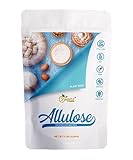
- 【AMAZING TASTE AND CALORIE-FREE】 Allulose is a monosaccharide or simple sugar that naturally exists in some fruits. It closely resembles the flavor of regular sugar but without any unpleasant aftertaste. Allulose is about 70% as sweet as sugar, but contains less than 10% of the calories found in sucrose, making it virtually calorie-free while still providing the natural sweetness of sugar.
- 【GREAT TEXTURE, VOLUME, AND CARAMELIZATION】 Allulose virtually replicates the texture and volume of sugar, while also demonstrating similar caramelization and thickening properties when used in baking and cooking. These exceptional characteristics set allulose apart as an excellent ingredient for achieving desired outcomes in a wide range of culinary applications that align with your healthy lifestyle.
- 【MORE ALLULOSE BLENDS】 Going beyond Allulose, G-Sweetz Allulose sweeteners broaden your options by blending with a variety of intensive sweeteners such as Monk Fruit extract, Stevia Extract, a combination of both, or the classic sucralose. Each sweetener series, derived from Allulose blends, provides a range of sweetness levels from 1X to 20X, ensuring both your sweet tooth and budget are perfectly catered to!
- 【HEALTHY CHOICES】 Upgrade your sweet experience with a sugary-tasting sweetener that's Keto-friendly, containing 0 net carbs. Our allulose is derived from natural ingredients and is free of GMOs, additives, artificial flavors, soy, and gluten. This sweetener is also vegan-friendly, tooth-friendly, and has zero sugar. Enjoy its delicious taste without worrying about any negative side effects.
- 【US QUALITY】 Our products are made and tested in accordance with approved product standards. Our facilities are registered with the FDA and comply with the regulations and licensing requirements of the New Jersey Department of Health and Earth Kosher. For any product inquiries, our US-based live support team is available to assist you.
4. Add vanilla extract.
- What to do: Stir in a splash of pure vanilla extract. This adds a wonderful depth of flavor that complements the coffee and sweetness.
- What “good” looks like: A subtle aroma of vanilla, and a richer, more complex flavor profile in the coffee.
- Common mistake: Skipping this step. It might seem minor, but vanilla makes a big difference.
- Avoid it: Don’t underestimate the power of a good vanilla extract.
5. Add milk.
- What to do: Pour in your milk. Whole milk provides the creamiest texture, but 2% or even dairy-free alternatives can be used.
- What “good” looks like: A lighter, opaque liquid. The color will depend on the amount of milk added.
- Common mistake: Using skim milk. It won’t give you that rich, satisfying texture.
- Avoid it: Opt for whole milk for the best results, or a creamy dairy-free option.
6. Stir and taste.
- What to do: Mix everything together well. Taste the coffee milk and adjust the sweetness, coffee strength, or milk ratio as needed.
- What “good” looks like: A balanced flavor that hits all the right notes – coffee, sweet, creamy.
- Common mistake: Not tasting and adjusting. Your preference might be different from the initial mix.
- Avoid it: Always taste and tweak until it’s perfect for you.
7. Chill thoroughly.
- What to do: Cover the container and refrigerate the coffee milk for at least an hour, or until it’s very cold.
- What “good” looks like: A cold, refreshing drink.
- Common mistake: Serving it immediately. It’s much better when properly chilled.
- Avoid it: Plan ahead and let it chill.
8. Serve.
- What to do: Pour the chilled coffee milk into a glass. Add ice if desired.
- What “good” looks like: A delicious, cold beverage ready to enjoy.
- Common mistake: Not serving it cold enough.
- Avoid it: Ensure it’s properly chilled before pouring.
Common mistakes (and what happens if you ignore them)
| Mistake | What it causes | Fix |
|---|---|---|
| Using stale coffee beans | Flat, uninspired coffee flavor | Use freshly roasted, whole beans and grind just before brewing. |
| Brewing weak coffee | Coffee flavor gets lost in the milk and sweetener | Use more coffee grounds or less water for a stronger brew. |
| Using hot coffee | Milk can scald or curdle; melts ice too fast | Let brewed coffee cool to room temp or cooler before mixing. |
| Adding too much sweetener at once | Overly sweet drink; hard to correct | Add sweetener gradually, tasting and stirring until desired sweetness. |
| Using skim milk | Lacks richness and creamy texture | Use whole milk or a creamy dairy-free alternative for better mouthfeel. |
| Not tasting and adjusting | Imbalanced flavors (too sweet, not coffee-y enough) | Taste frequently and adjust sweetener, coffee, or milk as needed. |
| Skipping vanilla extract | Misses a layer of flavor complexity | Add a small amount of pure vanilla extract for a richer taste. |
| Not chilling sufficiently | Less refreshing, can dilute faster if served over ice | Refrigerate for at least an hour until very cold. |
| Using poor quality water | Off-flavors in the final drink | Use filtered water if your tap water doesn’t taste great. |
| Not cleaning the coffee maker regularly | Bitter, oily residue affects coffee taste | Clean your brewer after each use and descale periodically. |
Decision rules (simple if/then)
- If the coffee tastes bitter, then you might have over-extracted your coffee or used water that was too hot because these can scorch the grounds. Try a slightly coarser grind or cooler water.
- If the coffee tastes sour, then you might have under-extracted your coffee or used water that was too cool because this doesn’t pull enough flavor out. Try a finer grind or hotter water.
- If the coffee milk isn’t sweet enough, then add more sweetener because that’s the obvious solution. Stir well and taste again.
- If the coffee milk is too sweet, then add more milk or a bit more unsweetened coffee because this will dilute the sweetness.
- If the coffee flavor is too weak, then add more strong coffee concentrate or a bit more sweetener because the coffee needs to be more prominent.
- If the texture isn’t creamy enough, then add more whole milk or a splash of cream because fat equals creaminess.
- If you want a stronger coffee kick, then brew your coffee even stronger next time or use a bit less milk because that’s how you boost the coffee flavor.
- If you’re making this for a crowd, then scale up your strong coffee brew and sweetener quantities proportionally because consistency is key.
- If you’re out of sugar, then use simple syrup or honey as a sweetener because they dissolve easily.
- If you want a hint of chocolate, then add a tablespoon of unsweetened cocoa powder with the sweetener because chocolate and coffee are a classic combo.
FAQ
How strong should the coffee be?
You want a concentrated brew, stronger than your usual cup. Think of it as a coffee syrup base. Aim for a ratio like 1:12 or 1:10 coffee to water when brewing.
What kind of milk is best?
Whole milk gives the richest, creamiest texture. But 2% works if that’s what you have. For dairy-free, a creamy oat milk or cashew milk can be a good substitute.
Can I use instant coffee?
You can, but it won’t taste as good as freshly brewed. If you do, use a good quality instant coffee and dissolve it thoroughly in a small amount of hot water before adding it to your other ingredients.
How much sugar should I use?
This is totally to your taste. Start with a couple of tablespoons per cup of finished coffee milk and add more until it’s right for you. Simple syrup mixes in more easily than granulated sugar.
Does it need to be served cold?
Yes, coffee milk is best served cold and refreshing. Chilling it thoroughly for at least an hour makes a big difference. Serving it over ice is also a great option.
Can I add ice directly to the mix?
It’s better to chill the mixture in the fridge and then serve it over ice. Adding ice directly to the liquid while mixing can dilute the flavors too much before they’ve melded.
How long does homemade coffee milk last?
It’s best consumed within 2-3 days. Keep it stored in an airtight container in the refrigerator. The flavors might change slightly over time.
What if I don’t have vanilla extract?
While vanilla adds a nice depth, you can skip it if you don’t have any. Your coffee milk will still be tasty, just maybe not quite as complex.
What this page does NOT cover (and where to go next)
- Specific coffee bean origins and their flavor profiles.
- Advanced brewing techniques like siphon or AeroPress for the coffee base.
- Detailed recipes for homemade syrups or flavored additions beyond vanilla.
- Nutritional information or calorie counts for different milk and sweetener options.
- Troubleshooting specific coffee maker models.